Israel, Hezbollah trade deadly strikes despite cease-fire extension
Israeli strikes killed 14 in southern Lebanon even after a cease-fire extension, the deadliest day since the truce began. Hezbollah then vowed to keep its weapons and keep responding.
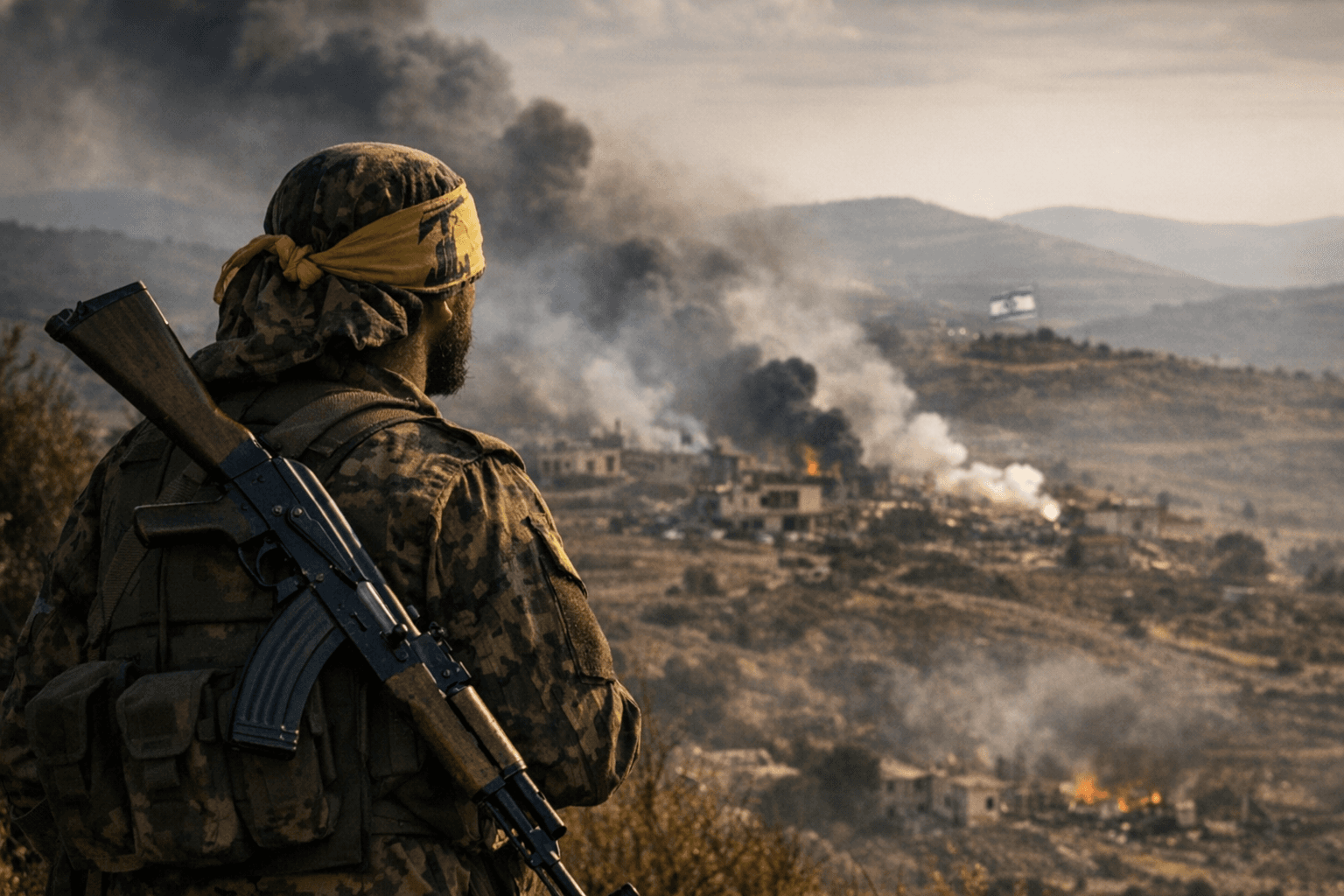
Israeli strikes killed 14 people in southern Lebanon and wounded 37 others on April 26, including two women and two children, in the deadliest day since the cease-fire took effect. The attacks landed even as Israeli forces ordered residents out of seven towns beyond the Israeli-announced buffer zone, or “yellow line,” underscoring how little restraint has held along the border.
The fighting has exposed a deeper problem than isolated violations: Hezbollah has refused to surrender its weapons, keeping alive a parallel armed power that Lebanon’s state cannot control. That stance weakens Lebanese authority at the very moment Beirut needs it most, because any claim to enforce a truce depends on a monopoly over force that Hezbollah continues to reject. Benjamin Netanyahu said Israel was acting “vigorously” against the group, while Hezbollah said it would keep responding to what it calls Israeli cease-fire violations.
The cease-fire began on April 16 and was extended by three weeks on April 23 after U.S.-hosted talks, but the extension has not stopped the fire. Lebanese officials said at least 36 people had been killed by Israeli strikes since the truce began, and both sides have traded accusations of breaches almost daily. Israel’s military said one of its soldiers was killed in combat in southern Lebanon on April 26 and six others were wounded, four of them severely.
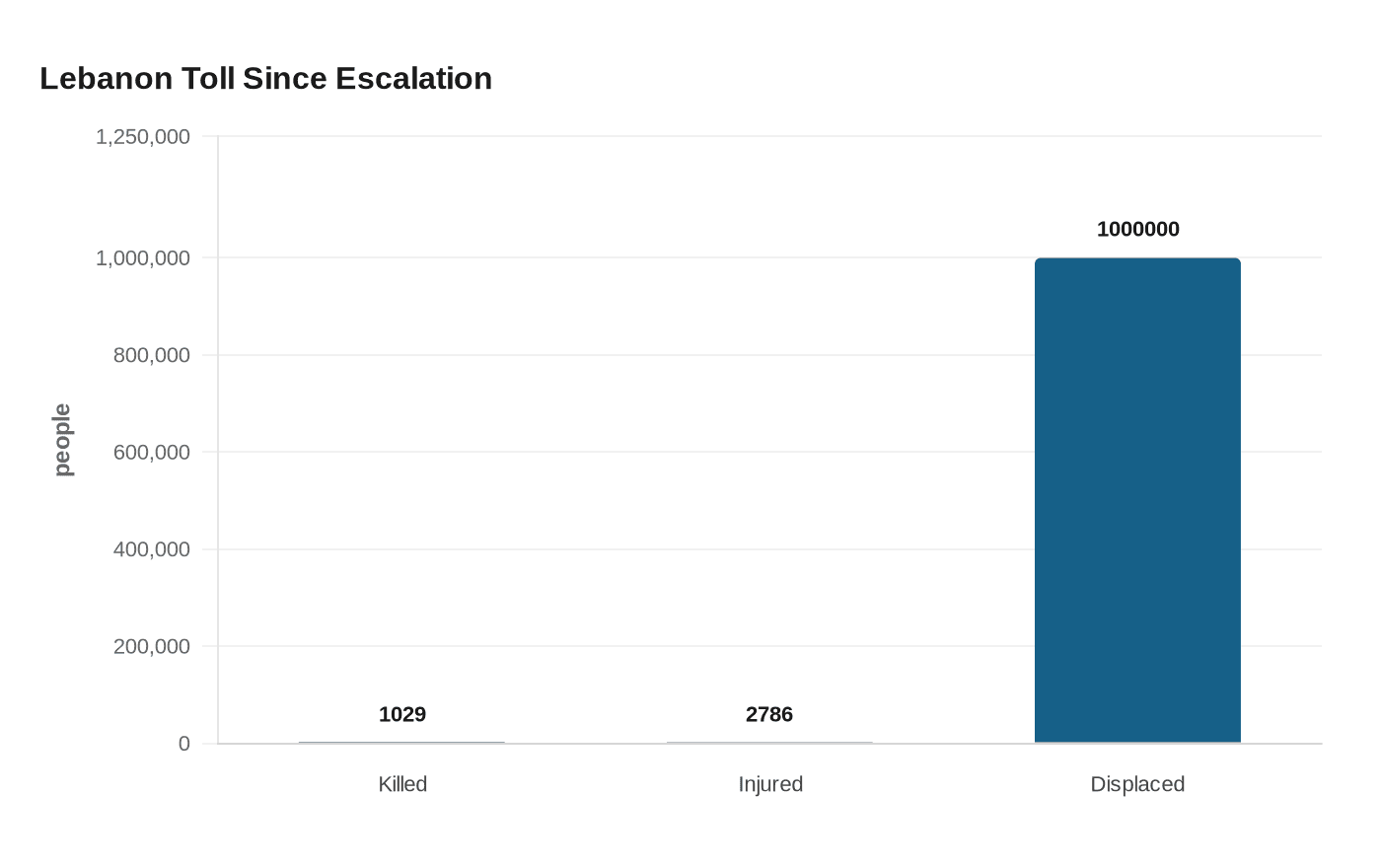
The U.N. human rights office warned on April 24 that patterns of attacks on civilians in populated areas and residential buildings in Lebanon and Israel may amount to serious violations of international humanitarian law. The broader human cost is already severe: the U.N. update said at least 1,029 people were killed, 2,786 injured, and more than one million displaced in Lebanon during the first three weeks of the escalation that began March 2.
That is why the border now looks like a test of enforcement rather than diplomacy. U.S.-brokered efforts have extended the truce, but they have not solved the core problem of who can stop the shooting, or prevent a border clash from cascading into a wider war. With Israeli forces still deployed in southern Lebanon and Hezbollah still armed, the cease-fire has become a fragile pause rather than a durable settlement.
This article was produced by Prism’s automated news system from verified source data, official records, and press releases, then run through automated quality and moderation checks before publishing. The system is built and supervised by the people who set the standards it runs under. Read our full AI policy.
Did this article answer your question?


