Israel launches large-scale Gaza operation to find last hostage, seek ceasefire gains
Israeli forces launched a focused operation in Gaza to locate the last Israeli hostage, tying the push to a U.S.-brokered pause aimed at advancing a broader ceasefire and aid flows.
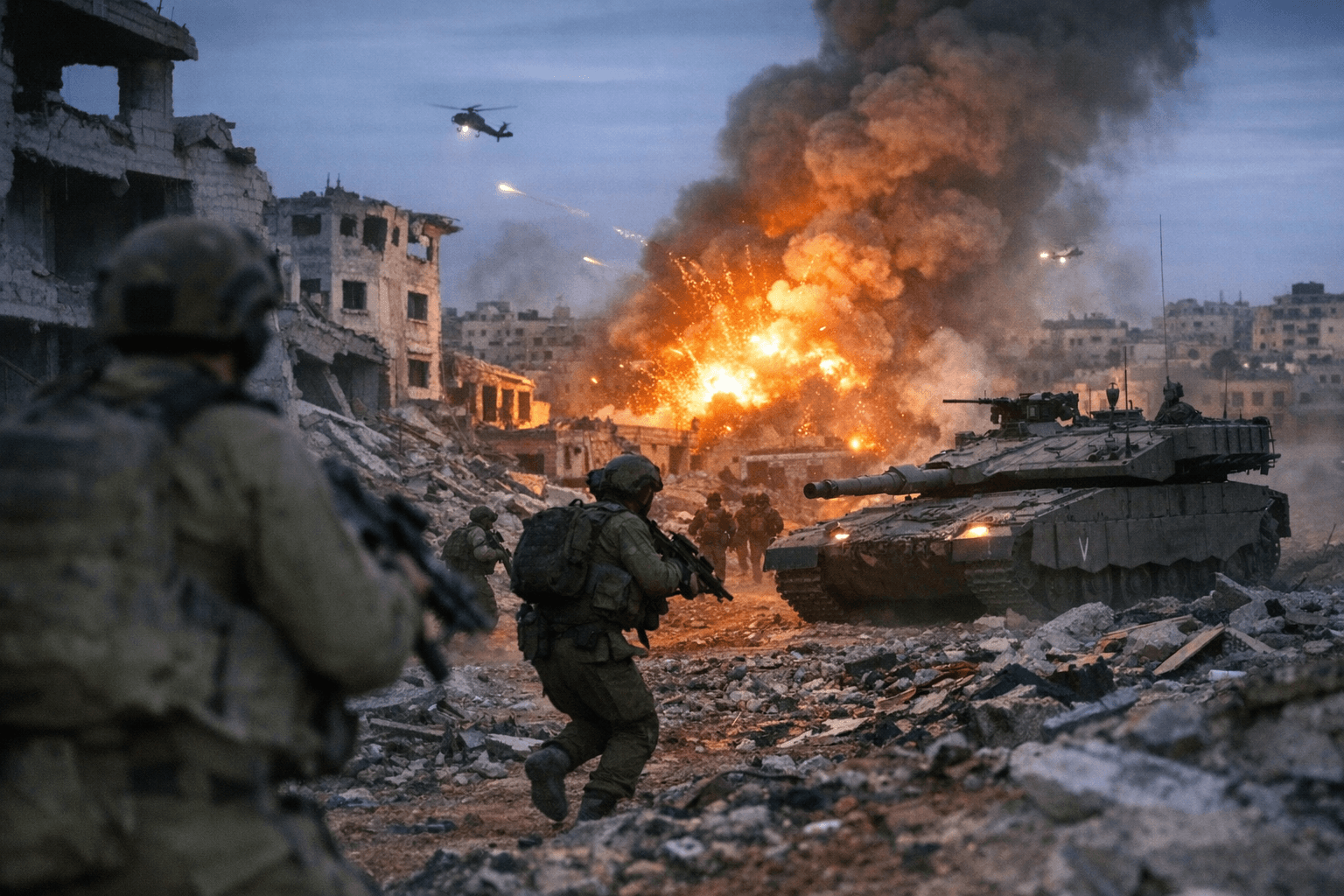
Israeli forces launched a focused, large-scale operation inside Gaza on January 25 aimed at locating the last remaining Israeli hostage, Ran Gvili, in a move closely linked to diplomatic efforts for a U.S.-brokered pause in fighting with Hamas. Military commanders characterized the effort as targeted and time-limited, while diplomats said progress on recovering the final captive could unlock an expanded cessation of hostilities and scale up humanitarian access.
The operation follows weeks of negotiations in Washington and regional capitals that have sought to translate tactical gains on the ground into a broader pause to allow hostage releases, prisoner exchanges and a predictable flow of aid into Gaza. Israeli officials have framed the search as both a security imperative and a bargaining chip in talks intended to secure a temporary cessation that would be monitored and enforced to permit more systematic deliveries of food, fuel and medical supplies.
For Palestinians in Gaza, a pause tied to a confirmed release could mean an immediate increase in convoys and access points for relief, after months of constrained deliveries. Humanitarian agencies have warned that even short pauses must be carefully managed to avoid episodic surges followed by renewed interruptions that exacerbate shortages of essentials and raise mortality risks among displaced populations.
The tactical operation also has broader economic and market implications across the region. Financial markets typically respond to shifts in conflict intensity and diplomatic prospects. A credible pause would likely reduce regional risk premia, steady Israeli asset prices and ease upward pressure on global energy markets that accompanies heightened Middle East tensions. Conversely, unanticipated escalations or protracted urban combat increase uncertainty, prompting safe-haven flows into U.S. Treasuries and gold while weighing on regional equities and currencies.
Israel’s economy has borne recurring shocks since the conflict began, with tourism and high-frequency consumer indicators showing periodic declines and defense-related expenditure rising. The calculus for policymakers balances domestic political pressures to account for hostages, the economic costs of prolonged operations and the diplomatic imperative to secure international backing for any pause. For the United States, the brokered pause reflects a strategic priority to reduce civilian harm and de-escalate risks to global energy supplies while preserving leverage to press for longer-term arrangements.
Longer-term trends are likely to be shaped by the outcome of the pause negotiations. A meaningful and sustained cessation could open a narrow window for reconstruction financing, normalize trade routes and invite renewed investor interest in the region. Sustained instability, by contrast, would reinforce higher insurance and shipping costs, encourage corporate risk reassessments and deepen strains on neighboring economies absorbing refugees and trade disruptions.
As Israeli forces press their search for Ran Gvili, the operation’s success will be measured not only in the recovery of a single hostage but in whether it produces verifiable steps toward the pause diplomats seek. For markets and policymakers, the immediate priority is predictable, verifiable reductions in fighting that can be translated into humanitarian deliveries and a framework for more durable political negotiations.
This article was produced by Prism’s automated news system from verified source data, official records, and press releases, then run through automated quality and moderation checks before publishing. The system is built and supervised by the people who set the standards it runs under. Read our full AI policy.
Did this article answer your question?


