Israel Launches Massive Strikes on Tehran, Killing Dozens of Iranian Generals
Roya, 62, was jolted awake at 3am by explosions as Israel's Operation Rising Lion killed 30 Iranian generals and 9 nuclear scientists in minutes.
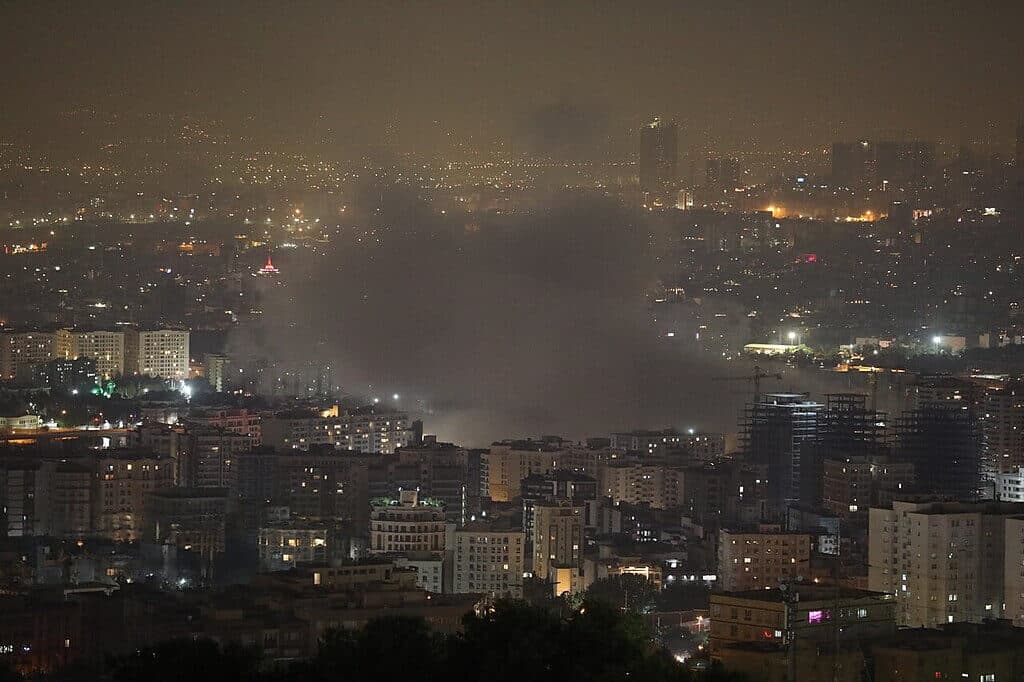
Roya, a 62-year-old resident of Tehran's Marzdaran neighborhood, was jolted from sleep by explosions just after 3am on June 13, 2025. What followed would become the Twelve-Day War: the largest bombardment of Iran's capital since the 1980s Iran-Iraq conflict, when Iraq fired 533 ballistic missiles at 27 Iranian cities, killing 2,312 civilians.
Israel's campaign, Operation Rising Lion, opened with five waves of airstrikes by 06:30 Israeli Daylight Time, deploying more than 200 fighter jets and dropping over 330 munitions on approximately 100 targets across Iran. The opening salvo, dubbed Operation Red Wedding, killed approximately 30 Iranian generals and nine nuclear scientists in minutes, with two scientists dying specifically in the Saadatabad district of northwestern Tehran. Targets included the Natanz enrichment facility, military bases, and infrastructure. Israeli Defense Minister Israel Katz had warned that Tehran residents "will pay a heavy price for the criminal attacks against Israeli civilians."
The human cost mounted quickly. Israeli strikes killed at least 585 people and wounded more than 1,300, according to HRANA, an Iranian human rights group. On June 14, smoke rose from the Shahran oil depot in northwest Tehran after Israeli jets struck the facility, which holds roughly three days of fuel for the city of 10 million across 11 storage tanks. The Shahr Rey oil refinery in southern Tehran, one of Iran's largest, was also hit, and by June 15, long lines had formed at petrol stations across the capital.
Tehran's 10 million residents had nowhere to shelter. The city has no public bomb shelters, and authorities directed people to underground parking garages. Sepehr, an eastern Tehran resident, kept his front door unlocked so his family could sprint to the nearest garage the moment explosions resumed. Thousands fled in gridlock toward the Caspian Sea coast or across borders into Armenia and Turkey. The Grand Bazaar was shuttered, a closure not seen since the COVID-19 pandemic. By June 16, Israel issued a partial evacuation order covering 330,000 people in central Tehran.
Among the most exposed were approximately 4.5 million Afghan refugees living in Iran, including Shamsi, a 34-year-old mother of two in north Tehran. Many are legally prohibited from leaving the capital without government permission, leaving them unable to evacuate even as the bombardment intensified.
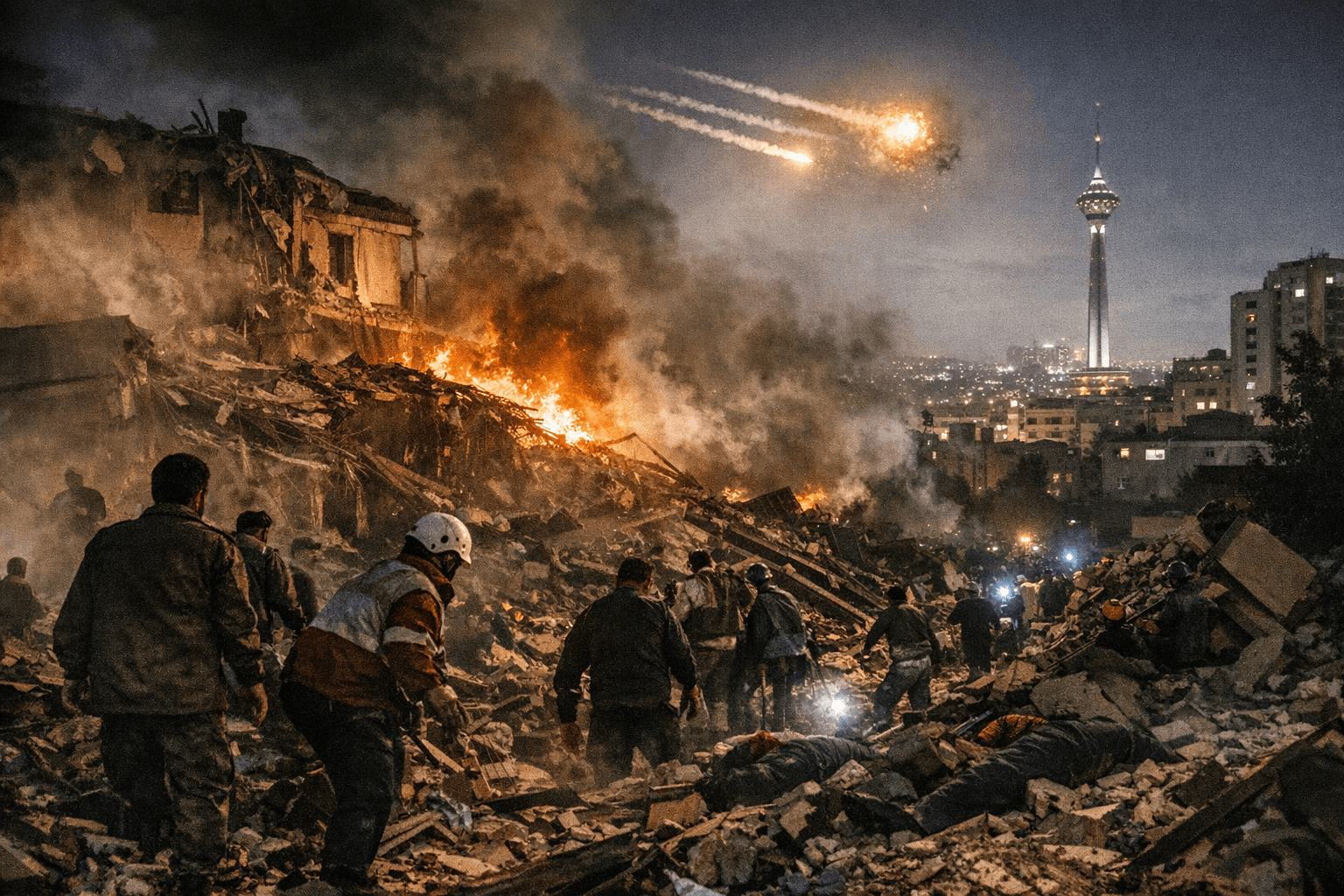
Communications collapsed in the immediate aftermath, with wide-scale internet outages sweeping major Iranian cities and authorities suspending flights at Imam Khomeini International Airport. Iran simultaneously executed Esmail Fekri by hanging on June 16, convicted of passing intelligence to Mossad after his 2023 arrest.
Iran launched its retaliatory campaign the same evening, firing hundreds of ballistic missiles and drones toward Israeli targets under the codename Operation True Promise III. The exchange lasted nearly two weeks before a US-brokered truce ended the fighting.
On June 23, the International Atomic Energy Agency's Director General stated that "very significant damage is expected to have occurred" at the Fordow nuclear facility, targeted by the United States, though a full underground assessment remained incomplete. The IAEA noted Iran retains the industrial capacity and knowledge to resume enrichment.
A 29-year-old who fled Tehran offered a reckoning numbers alone could not capture: "I just want people to remember that whatever is happening here, it's not routine business for us. People's lives here feel as important to them as they feel to anyone in any other place. We are kind of like, this can't be happening. This can't be my life.
This article was produced by Prism’s automated news system from verified source data, official records, and press releases, then run through automated quality and moderation checks before publishing. The system is built and supervised by the people who set the standards it runs under. Read our full AI policy.
Did this article answer your question?


