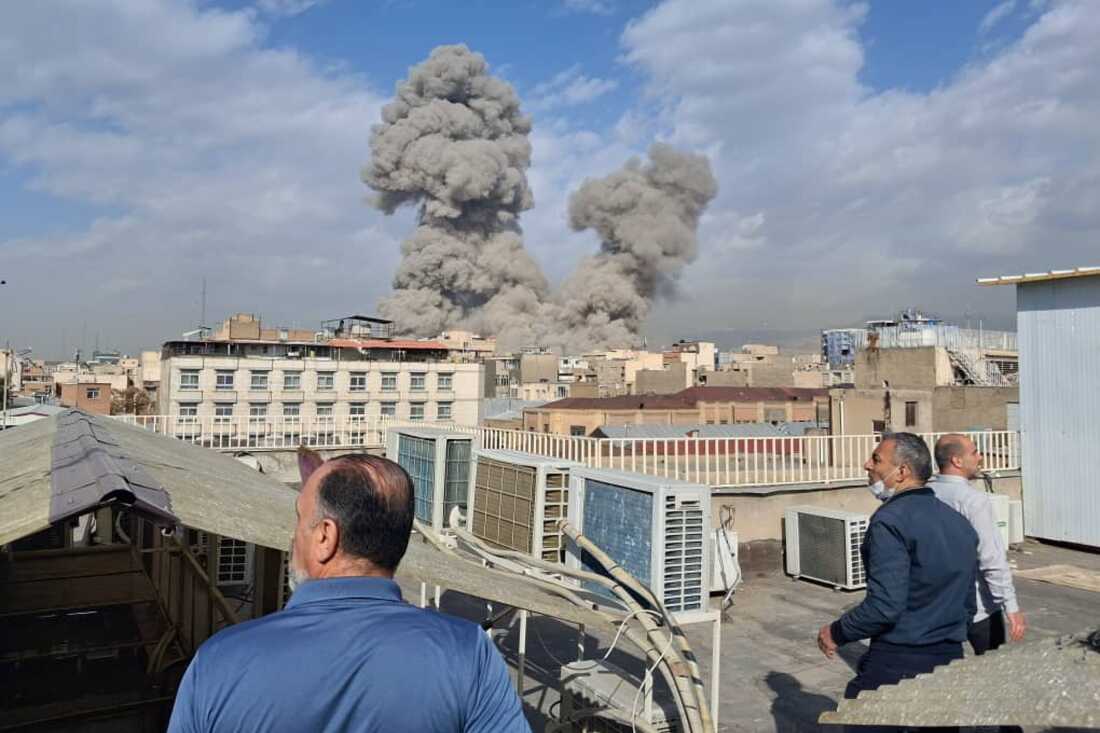
Israel raises serious concerns over Hamas disarmament deal in Gaza
Trump said the Board of Peace had a Gaza disarmament deal, but Israel feared Hamas could keep weapons and tunnels while troops pulled back.
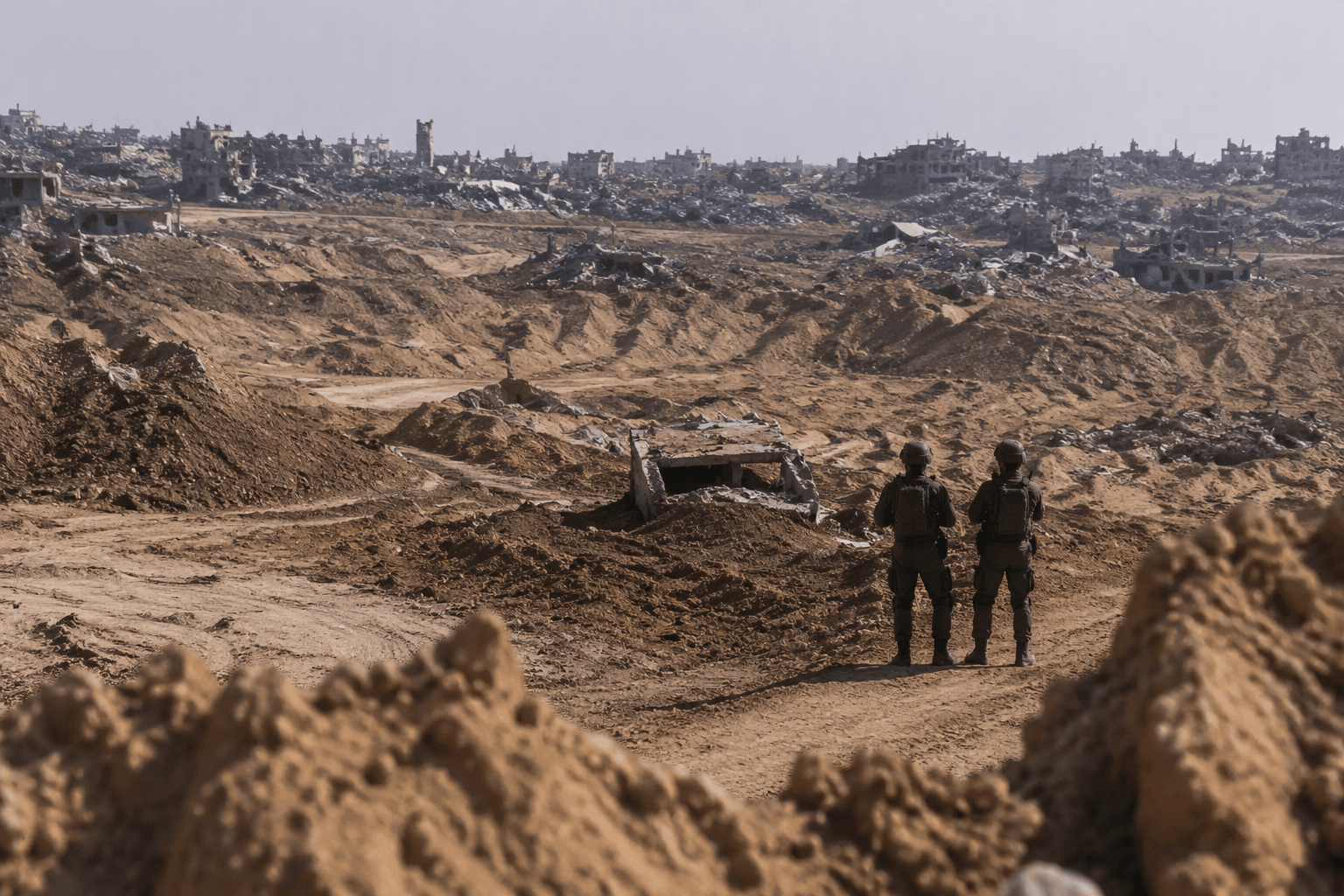
Trump said the Board of Peace had reached a Gaza disarmament agreement, but the hardest part of the plan was never the announcement. It was the enforcement, against the backdrop of the war that began on Oct. 7, 2023, and the question of whether Hamas would actually give up weapons and tunnels before Israeli forces started to withdraw.
Israeli officials raised serious concerns over that sequence. The plan called for Hamas and other armed groups to surrender their weapons and destroy tunnels, then for Israeli forces to gradually pull back from Gaza. It also envisioned a new technocratic Palestinian government and an international stabilization mission to help run the territory. That mission was the closest thing the deal had to a verifier, but the public outline did not spell out any arrest powers, inspection regime, or other coercive tools that would let it force compliance.
Hamas complicated the picture by describing the deal as a draft or framework and saying Israel had to approve it before implementation. Hamas had already said on July 7 that it would hand over control of Gaza to a committee of Palestinian technocrats, a move meant to advance the peace process. Even so, Palestinian commentators in late July and early August warned that the roadmap did not settle Hamas’ future, Gaza governance, or reconstruction, the three issues most likely to determine whether the deal held.

Trump later said Israel was “very happy” with the agreement, but Israeli officials signaled the opposite and pressed security concerns with the White House. Their worry was practical: if Israel withdrew before verified disarmament, Hamas or other armed factions could keep enough capability to regroup, rebuild tunnel networks, and restart the conflict. If the deal broke down, Gaza would likely fall back into another round of military escalation rather than move toward the reconstruction promised in the proposal.
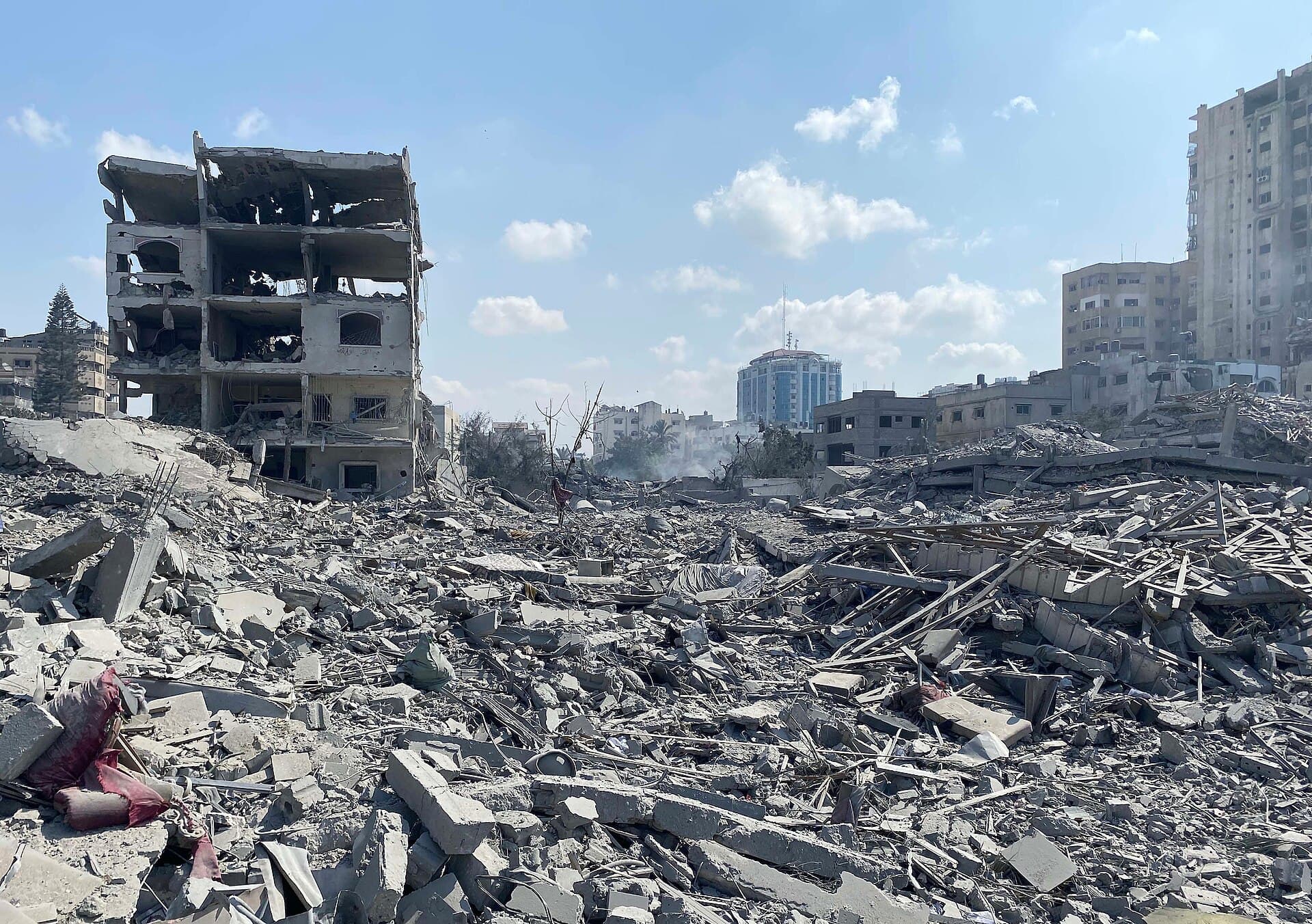
The enforcement problem echoes past cease-fire and demilitarization arrangements that failed when monitors lacked teeth. In Lebanon, the mechanism around the Israel-Hezbollah cease-fire was criticized for being unable to enforce violations, even as strikes and exchanges continued. Gaza now faces the same test, whether an international mission can do more than watch a fragile sequence on paper and actually guarantee that weapons stay buried once the first withdrawal begins.
This article was produced by Prism’s automated news system from verified source data, official records, and press releases, then run through automated quality and moderation checks before publishing. The system is built and supervised by the people who set the standards it runs under. Read our full AI policy.
Did this article answer your question?