Trump orders major U.S.-Israeli strikes on Iran, sparks regional conflict
The strikes on Iran widened the war fast, then pushed talks toward a short ceasefire, Hormuz access and vague limits on highly enriched uranium.
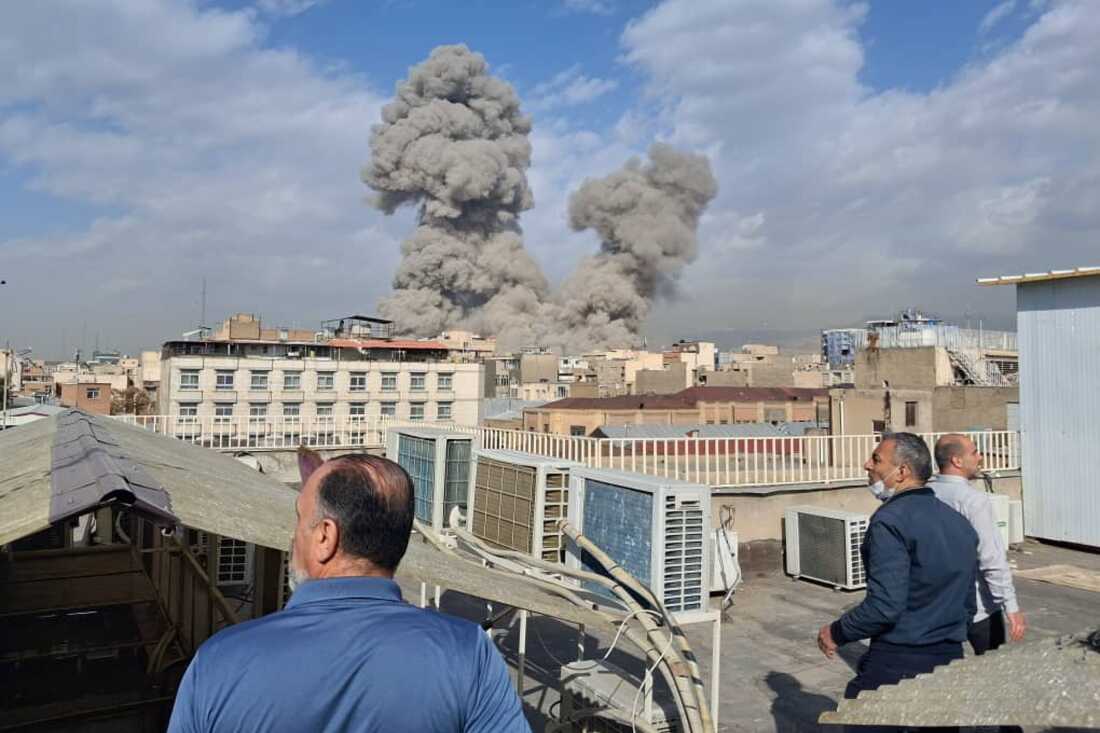
The United States and Israel launched major military operations against Iran on Feb. 28, 2026, striking military, government and infrastructure sites and quickly turning the campaign into a regional crisis. Smoke rose over Tehran, including near the offices of Ayatollah Ali Khamenei, as President Donald Trump tied Operation Epic Fury to Iran’s nuclear program and urged Iranians to “seize control of your destiny.”
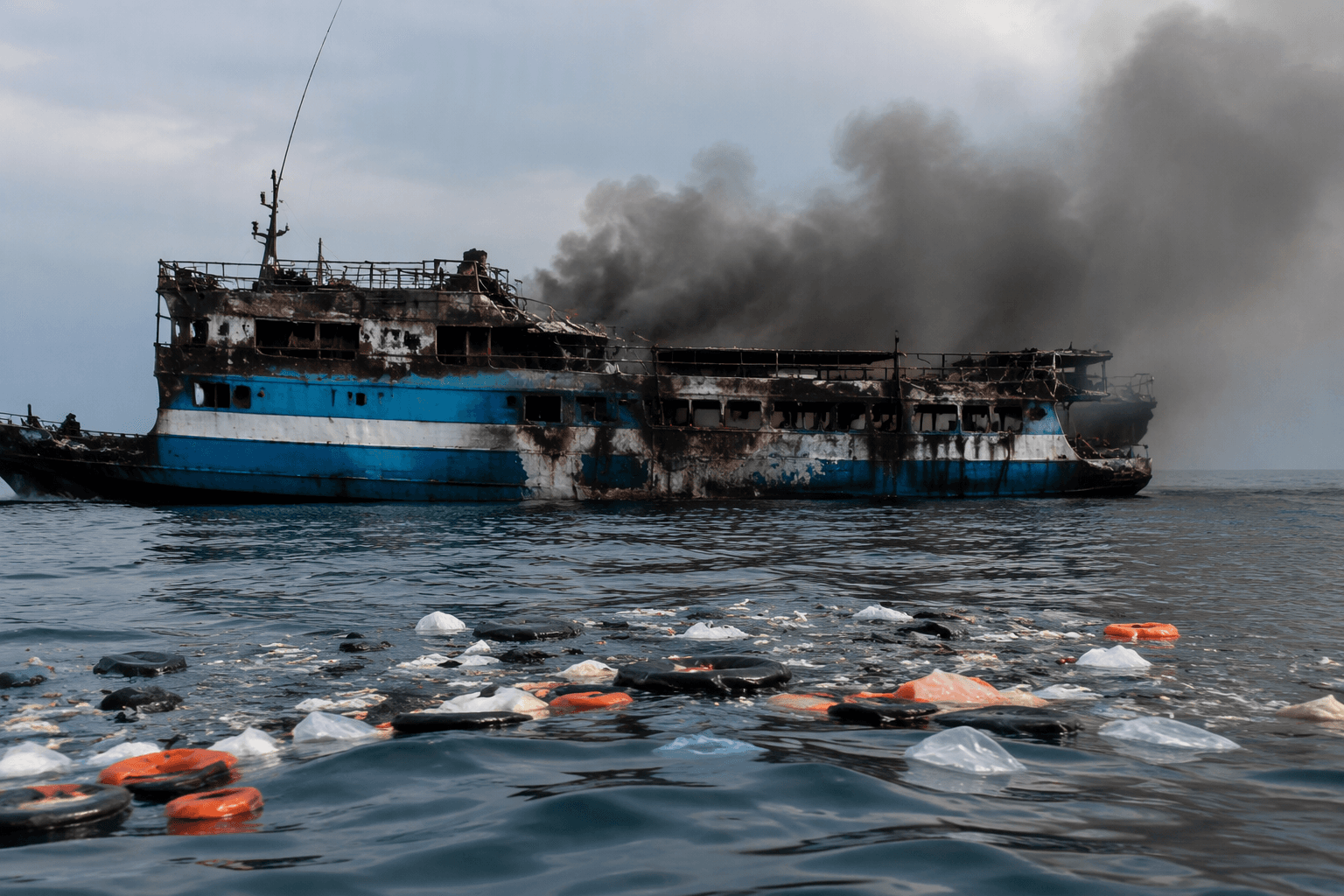
Iran answered with missiles and drones aimed at Israel and U.S. military bases in the region, and the escalation sent shock waves through diplomacy as well as shipping. A March 6 Congressional Research Service report said the joint strikes sparked a wide-reaching regional conflict, with air operations continuing in Iran and retaliatory attacks hitting targets in multiple countries while threats and attacks largely halted maritime traffic through the Strait of Hormuz.
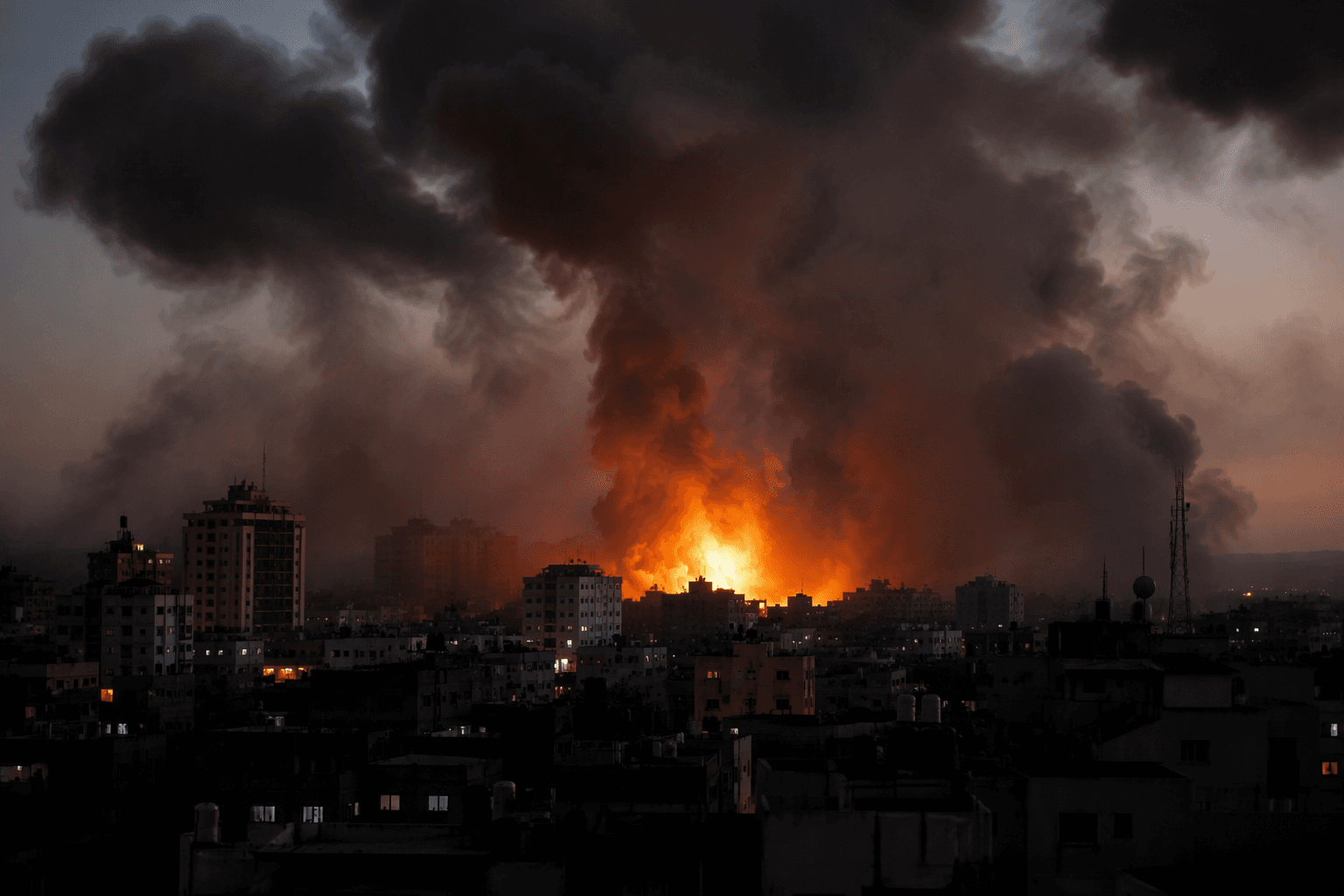
That immediate military gain did not produce a clean surrender from Tehran. It forced a sharper bargaining environment, one in which Trump’s own leverage was shaped by the same chokepoint the strikes destabilized: the Strait of Hormuz. Reuters described Trump as under pressure to reopen the waterway and bring down gasoline prices, even as the conflict hardened the risks of any failed peace effort. World leaders and aid groups feared further escalation.
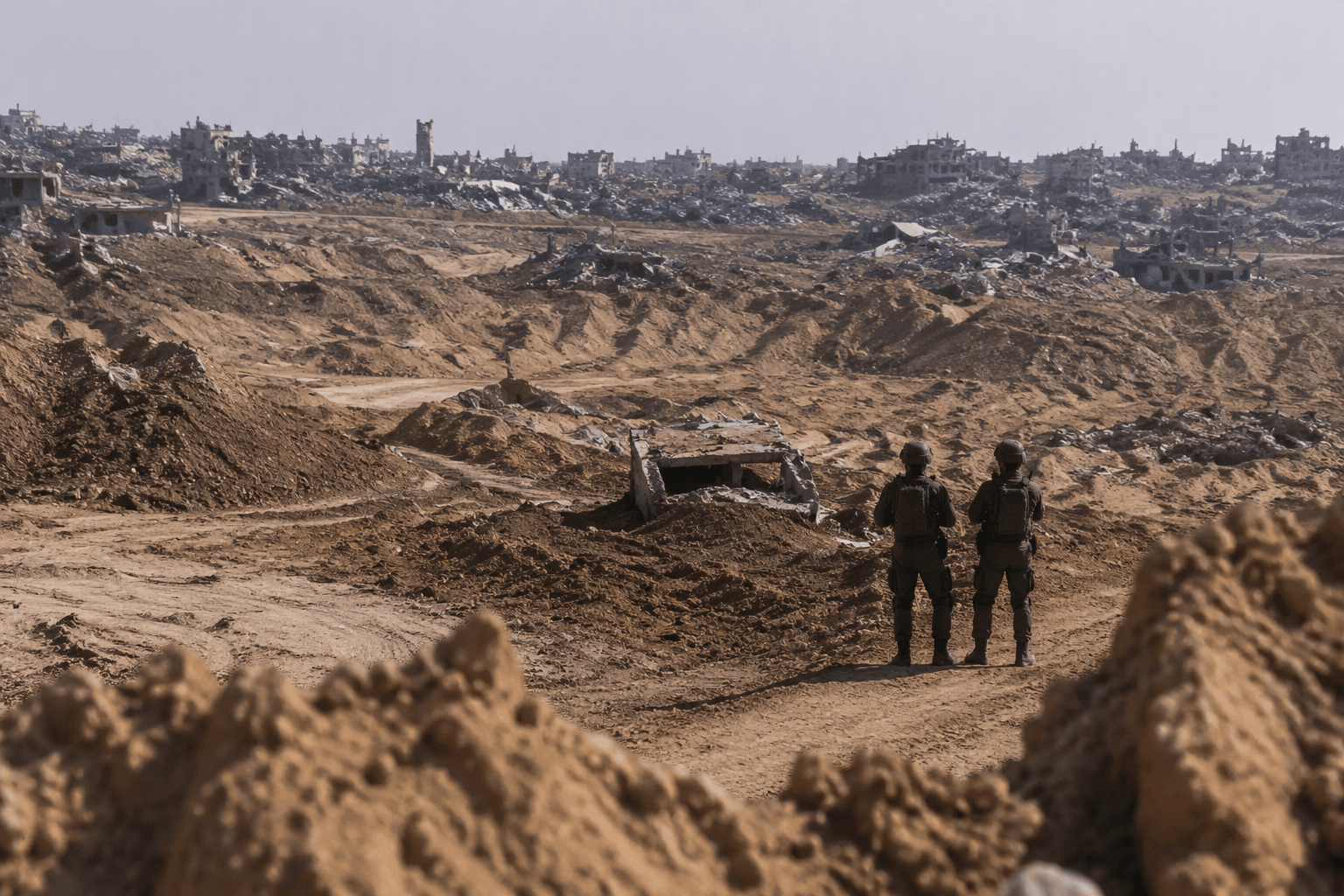
By late spring, the public terms under discussion were narrower than the rhetoric surrounding the bombing campaign. Reuters said Trump looked set to be left with a short-term ceasefire, an ambiguously worded commitment on highly enriched uranium and the Strait of Hormuz. Later coverage said the United States and Iran reached an agreement to extend the ceasefire and lift restrictions on shipping through the strait, while White House officials confirmed Israel had agreed to halt strikes for a two-week period. Reuters also said the United States waived Iran sanctions after talks.
The deal contours showed what each side had to surrender. Washington had to back away from open-ended military pressure and accept an arrangement built around pauses, shipping guarantees and vague nuclear language. Tehran had to stop retaliatory fire, reopen or keep open the Strait of Hormuz and tolerate continued U.S. leverage over sanctions and air power. The strikes had changed the table, but not enough to eliminate bargaining. They raised the cost of failure first; only then did they create movement toward a fragile diplomatic off-ramp.
This article was produced by Prism’s automated news system from verified source data, official records, and press releases, then run through automated quality and moderation checks before publishing. The system is built and supervised by the people who set the standards it runs under. Read our full AI policy.
Did this article answer your question?