Nepal mourns Nirmal Purja after Broad Peak avalanche kills 10 climbers
Broad Peak's avalanche killed Nirmal Purja, the 43-year-old Nepali climber who set a 14-peak world record in 189 days. Nepal answered with grief for a national symbol.
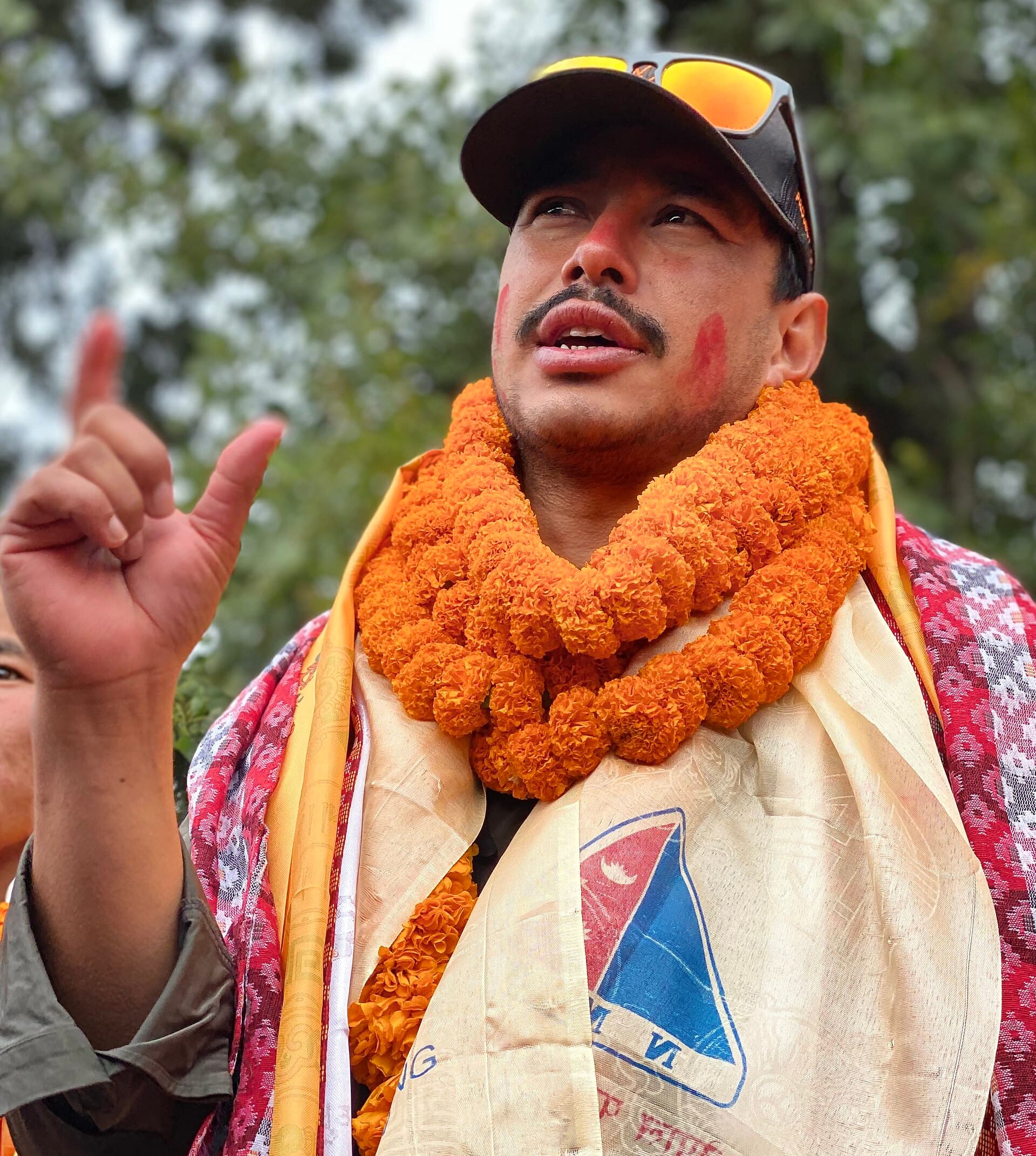
Nepal is mourning Nirmal Purja after an avalanche on Broad Peak in Pakistan’s Gilgit-Baltistan region killed him and nine other climbers. Elite Expeditions, his company, confirmed the death in a social media statement describing the loss with “profound sadness and immense heartbreak.” Purja, known worldwide as Nims Dai, was 43 and a former British Army soldier who became internationally famous after a 2021 Netflix documentary.
The avalanche struck on July 30 on Broad Peak, the world’s 12th-highest mountain in the Karakoram range. Initial reports said Purja and nine others were missing, and rescue teams later recovered four bodies before the remaining victims were also confirmed dead. Other expeditions had already left the mountain because of heavy snowfall, and the danger on the slope was underscored by the speed of the avalanche that swept away the 10-member team.
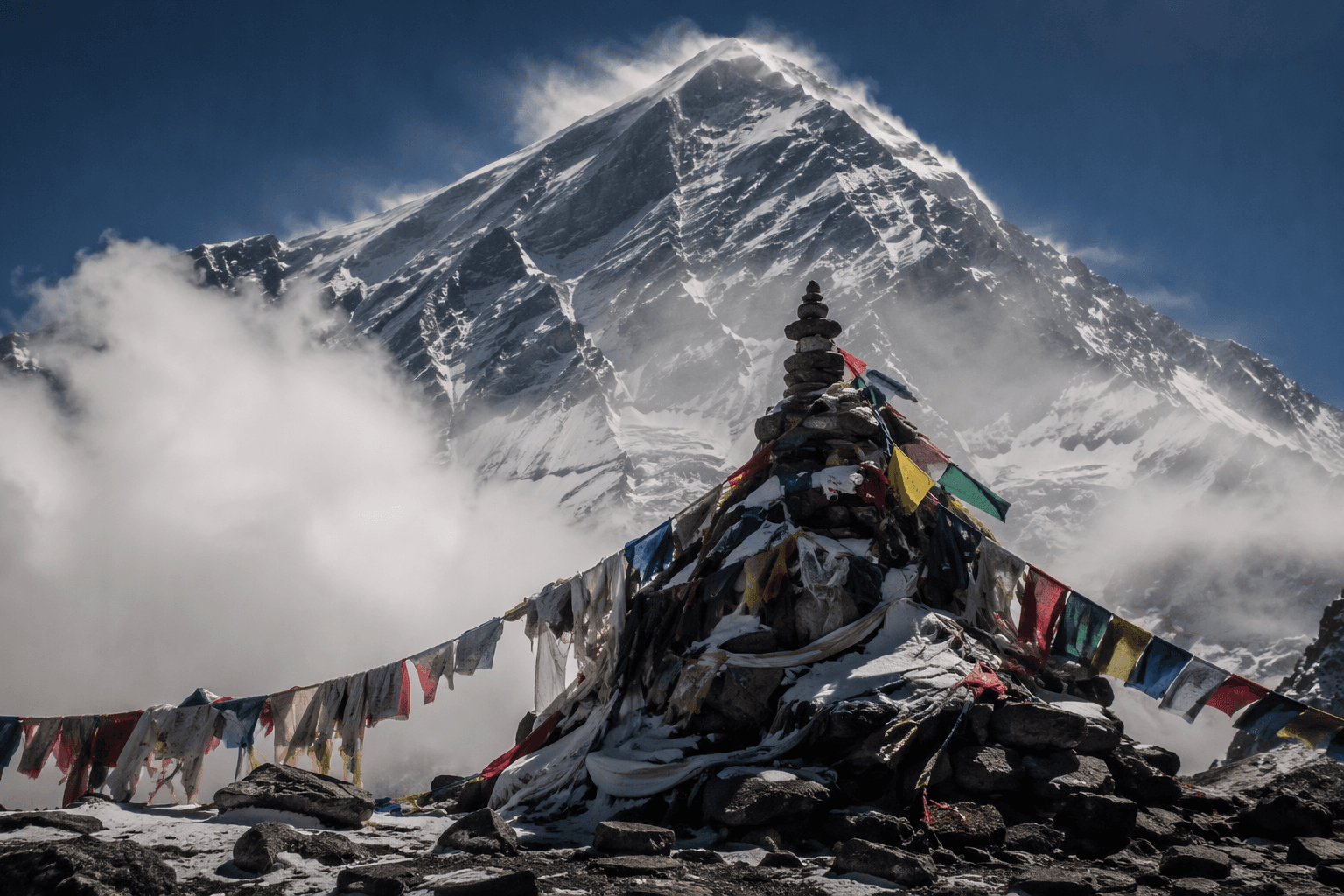
Purja had posted on Instagram before the climb, calling Broad Peak a late addition to his expedition and writing: “Broad Peak, I ask for nothing but safe passage up and back down.” That line now hangs over a career that reshaped how Nepali mountaineers were seen around the world. In 2019, Euronews reported that Purja set a world record by climbing all 14 of the world’s highest peaks above 8,000 metres in just 189 days, a feat that turned him into one of the most recognizable Nepali climbers of his generation.
The loss has cut deeply in Nepal, where The Straits Times reported the country was mourning Purja and the nine others killed. Family tributes added to the grief: his brother Kamal posted that “We will miss you every ...,” and Jit Bahadur Purja Pun said the family home honored him with lamps and flowers placed at his photograph. Purja’s rise gave Nepal a rare global mountaineering icon, one whose record-breaking pace and public profile shifted the prestige attached to Nepali climbers even as the risks on the highest peaks remained unchanged.
This article was produced by Prism’s automated news system from verified source data, official records, and press releases, then run through automated quality and moderation checks before publishing. The system is built and supervised by the people who set the standards it runs under. Read our full AI policy.
Did this article answer your question?