Israel Recognises Somaliland, Opening New Front in Horn of Africa Diplomacy
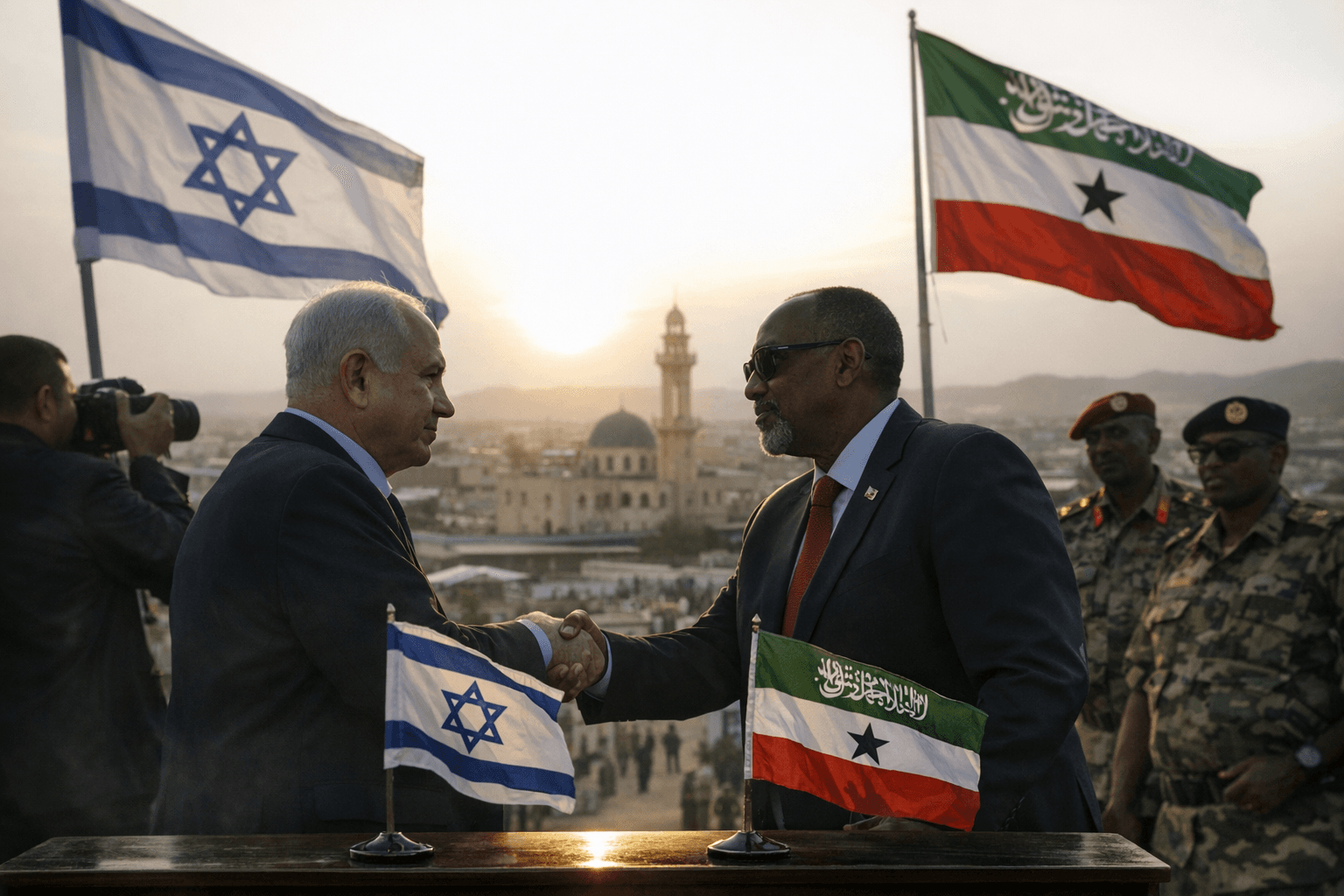
Israel formally recognised the self declared Republic of Somaliland on December 26, 2025, signing a mutual declaration that envisages immediate cooperation in agriculture, health and technology. The move, framed by Prime Minister Benjamin Netanyahu as “in the spirit of the Abraham Accords,” marks the first time a United Nations member state has recognised Somaliland and is likely to reshape regional diplomacy and economic prospects while provoking strong rejection from Somalia.
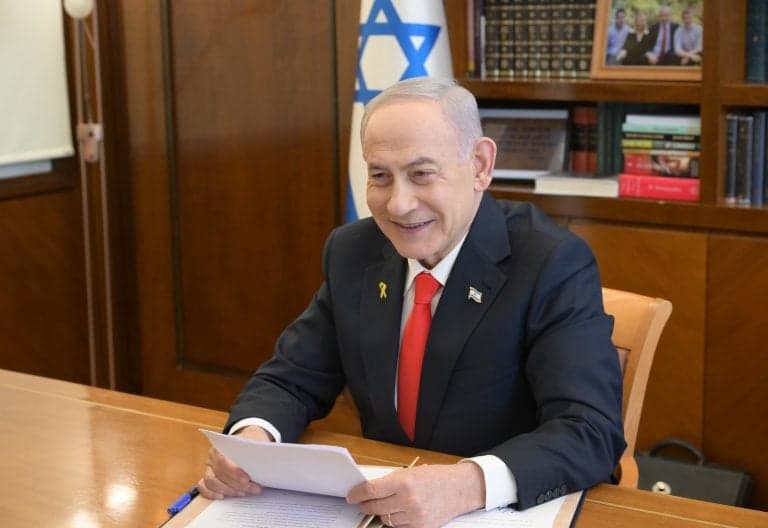
Israel announced on December 26 that it had granted formal recognition to the self declared Republic of Somaliland, signing a joint mutual declaration with Somaliland’s leadership. Prime Minister Benjamin Netanyahu posted on social media that “Together with Foreign Minister Sa’ar and the President of the Republic of Somaliland, we signed a joint and mutual declaration,” and said the move was “in the spirit of the Abraham Accords.” Somaliland’s president Abdirahman Mohamed Abdullahi described the development as “a historic moment,” and Somaliland issued formal thanks while expressly appreciating Israel’s efforts “in combating terrorism and promoting regional peace,” according to official summaries.
The declaration, as reported by multiple outlets and by public summaries, envisages an immediate expansion of bilateral cooperation across agriculture, health and technology. It reportedly contains a provision under which Somaliland may accept refugees from Gaza, a clause that outside analysts say will require clarification and legal confirmation once the full text of the declaration is released. Netanyahu invited Somaliland’s president to pay an official visit to Israel, signaling a rapid diplomatic opening rather than a tentative acknowledgement.
Somalia’s federal government swiftly and categorically rejected the recognition, calling it unlawful and reiterating that Somaliland remains an integral part of Somalia’s sovereign territory. The public rebuke is likely to complicate regional diplomacy, testing longstanding Somali opposition to Somaliland’s 1991 self declaration of independence. Somaliland has operated with many attributes of statehood since 1991, issuing its own currency and passports, maintaining its own police force, and governing a territory that borders the Gulf of Aden, a key maritime corridor linking the Red Sea and the Indian Ocean.
Beyond immediate diplomatic friction, the recognition has economic and strategic implications. Somaliland’s ports on the Gulf of Aden sit astride shipping lanes that are vital to global trade and to movement through the Suez Canal. Israel’s stated focus on agriculture, health and technology reflects its comparative strengths and points to potential investment and knowledge transfers that could accelerate Somaliland’s market integration. Israeli firms specialising in water management, precision agriculture and cybersecurity could find commercial opportunities, while Somaliland may gain improved access to private capital and new trade links. Whether those prospects materialise will depend on legal clarity about Somaliland’s international status and on the willingness of other states and investors to engage.
The diplomatic precedent is also important. Israel was among a group of countries that briefly recognised Somaliland in 1960 during a five day window of independence, and the Abraham Accords framework has already broadened Israel’s ties with Gulf states such as the United Arab Emirates and Bahrain in 2020. Analysts expect Israel’s recognition to prompt other states to reassess their positions, but progress toward widespread recognition or United Nations membership would require complex legal and political steps, including broader international consensus.
For now the immediate developments will be judged by their operational outcomes. Journalists and officials are likely to seek the full text of the joint declaration to confirm details such as the refugee provision, while markets and regional capitals will watch for concrete projects and follow on recognitions that could permanently alter the Horn of Africa’s diplomatic landscape.
This article was produced by Prism’s automated news system from verified source data, official records, and press releases, then run through automated quality and moderation checks before publishing. The system is built and supervised by the people who set the standards it runs under. Read our full AI policy.
Did this article answer your question?