Israel sidelined as Trump pursues Iran peace talks without Netanyahu
A May 19 call left Netanyahu with his "hair on fire" as Trump pushed Iran talks without him. Israel now faces a deal shaping its security without a seat at the table.
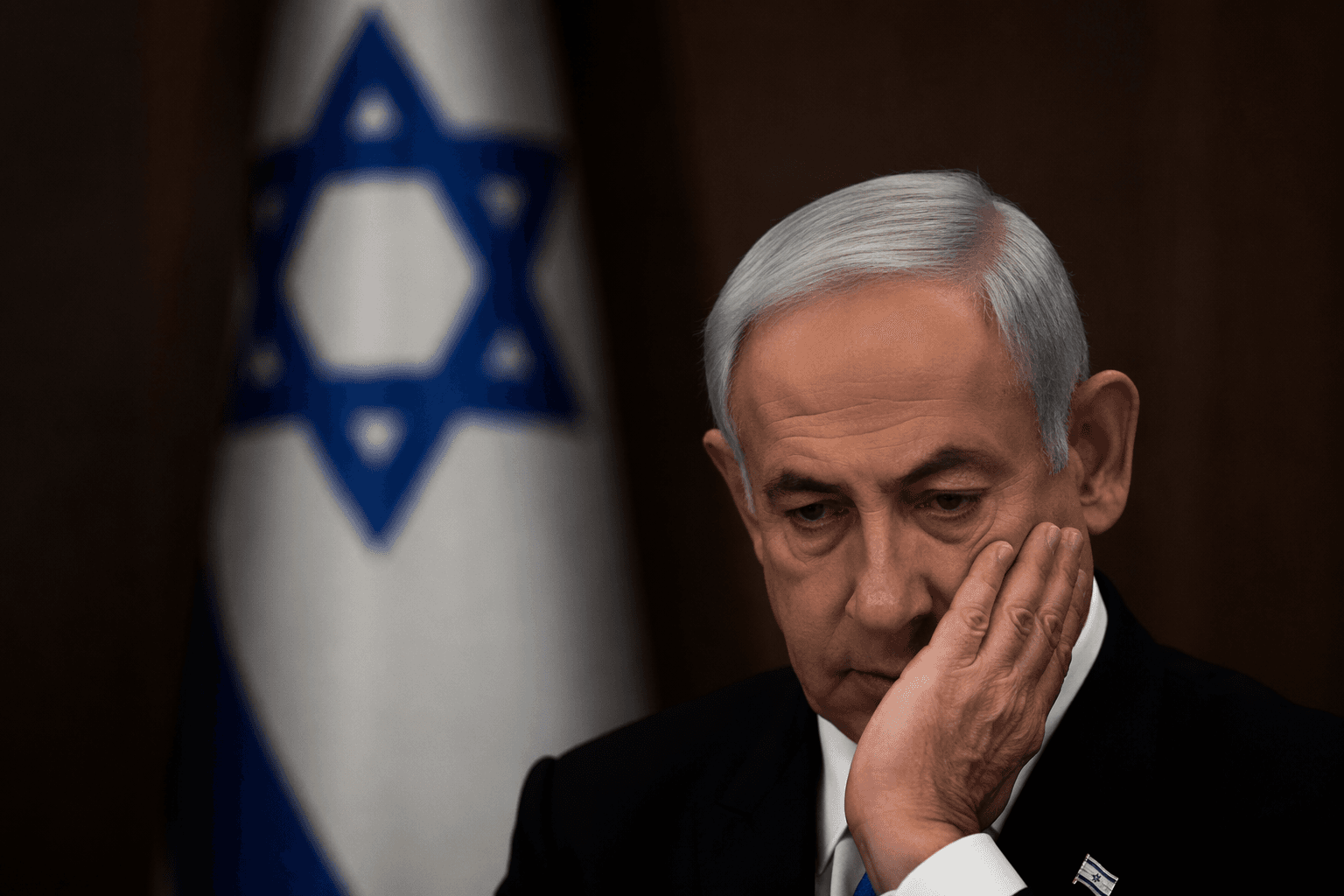
Israel has gone from shaping U.S. Iran policy to watching Washington cut a new diplomatic track without it, a sharp reversal that leaves Benjamin Netanyahu exposed at home and isolated abroad. On May 19, Donald Trump and Netanyahu held a difficult phone call about the future of the Iran war, and one source said Netanyahu had his "hair on fire" afterward as Trump pressed ahead with talks that now run through U.S. channels, with Qatar and Pakistan helping draft a revised peace memo.
The center of gravity has shifted to Washington, where the administration has been talking to Iranian officials it considers the right people and has named Jared Kushner, Steve Witkoff, Marco Rubio and JD Vance among its negotiators. The Times of Israel reported that Washington sent Tehran 15 conditions for ending the war and had briefed Jerusalem before talks with Iran, but Israel has still not been brought in as a direct participant even though the outcome could determine whether Iran can rebuild its nuclear capabilities. The same reporting said the Pentagon was preparing to send thousands of troops from the 82nd Airborne Division to the Middle East as diplomacy continued.
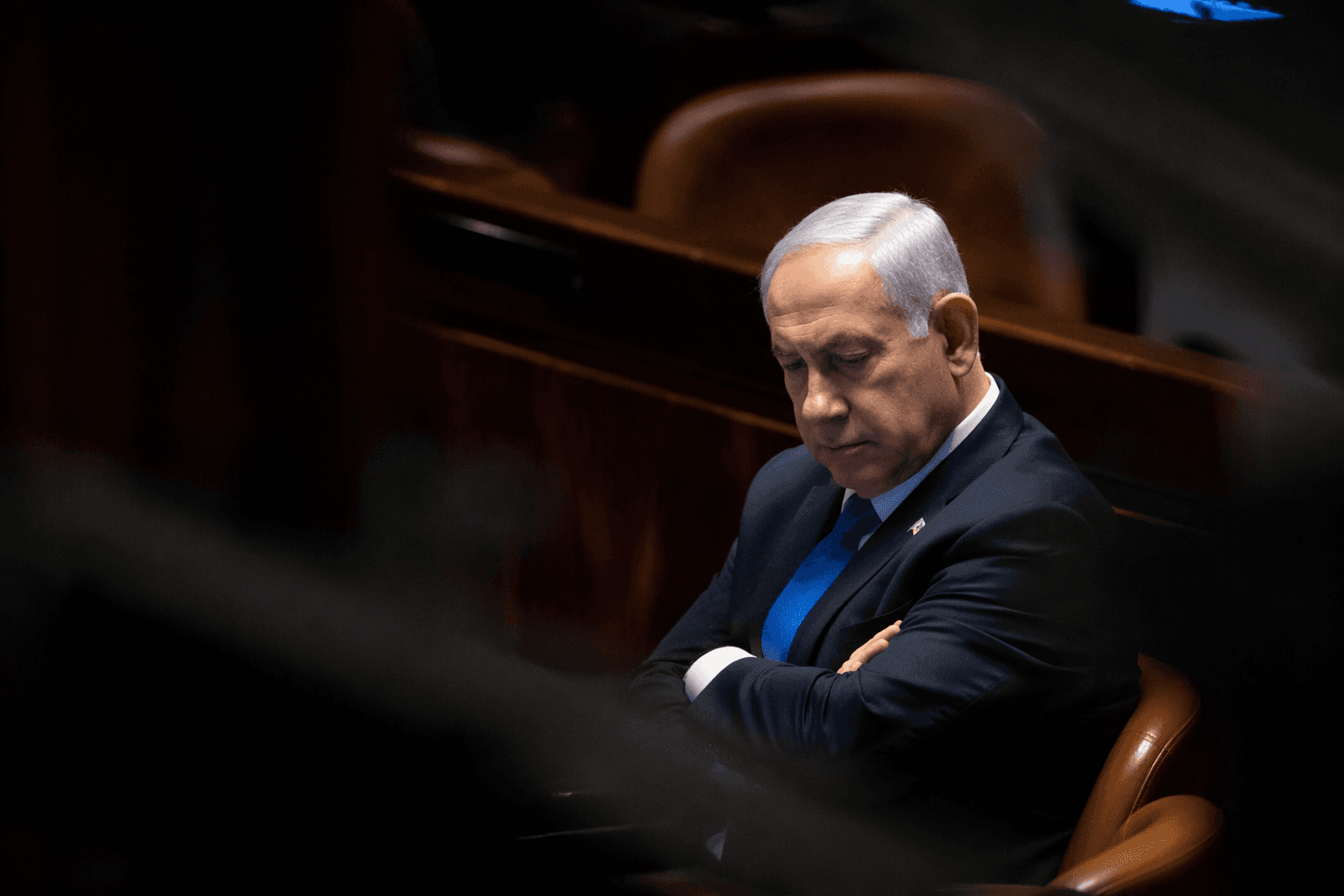
Netanyahu has tried to draw a harder line. In an interview with CBS News’ 60 Minutes, he said the war was not over because highly enriched uranium still had to be removed from Iran. Trump has gone in a different direction, saying on May 21 that the United States would retrieve Iran’s stockpile of highly enriched uranium, believed to be about 900 pounds, while also signaling that strikes could return if diplomacy failed. Iran, for its part, warned on May 20 that any renewed aggression would spread the conflict far beyond the region.
The political cost for Netanyahu is mounting. An Israel Democracy Institute poll released in May found that 59% of Israelis said ending the war under current conditions was only slightly or not at all compatible with Israel’s security interests, while 51% said the U.S. administration had greater influence over Israel’s defense decisions than the Israeli government. That is a brutal verdict for a leader who once sold himself as the indispensable partner in managing the Iran threat.
Inside Israel, the pressure is not easing. On May 21, Israeli officials were discussing whether to renew conflict with Iran, and some media commentary was pushing for more war, including possible strikes on Iranian energy facilities. Pakistan’s army chief, Field Marshal Asim Munir, traveled to Tehran on May 22 as mediation continued, underscoring how the talks have moved away from Jerusalem and toward a wider regional track. For Netanyahu, the risk is not just being sidelined in a negotiation. It is watching the terms of Israel’s security environment be written without Israel in the room.
Know something we missed? Have a correction or additional information?
Submit a Tip