Israeli fire kills five Palestinians near Gaza ceasefire boundary
Israeli troops fired over the ceasefire line in northern Gaza on Dec. 19, killing at least five Palestinians including a baby, Shifa Hospital said. The incident in eastern Gaza City highlights growing strain on the U.S. brokered truce and raises fresh questions about civilian protection and the prospects for renewed diplomatic progress.
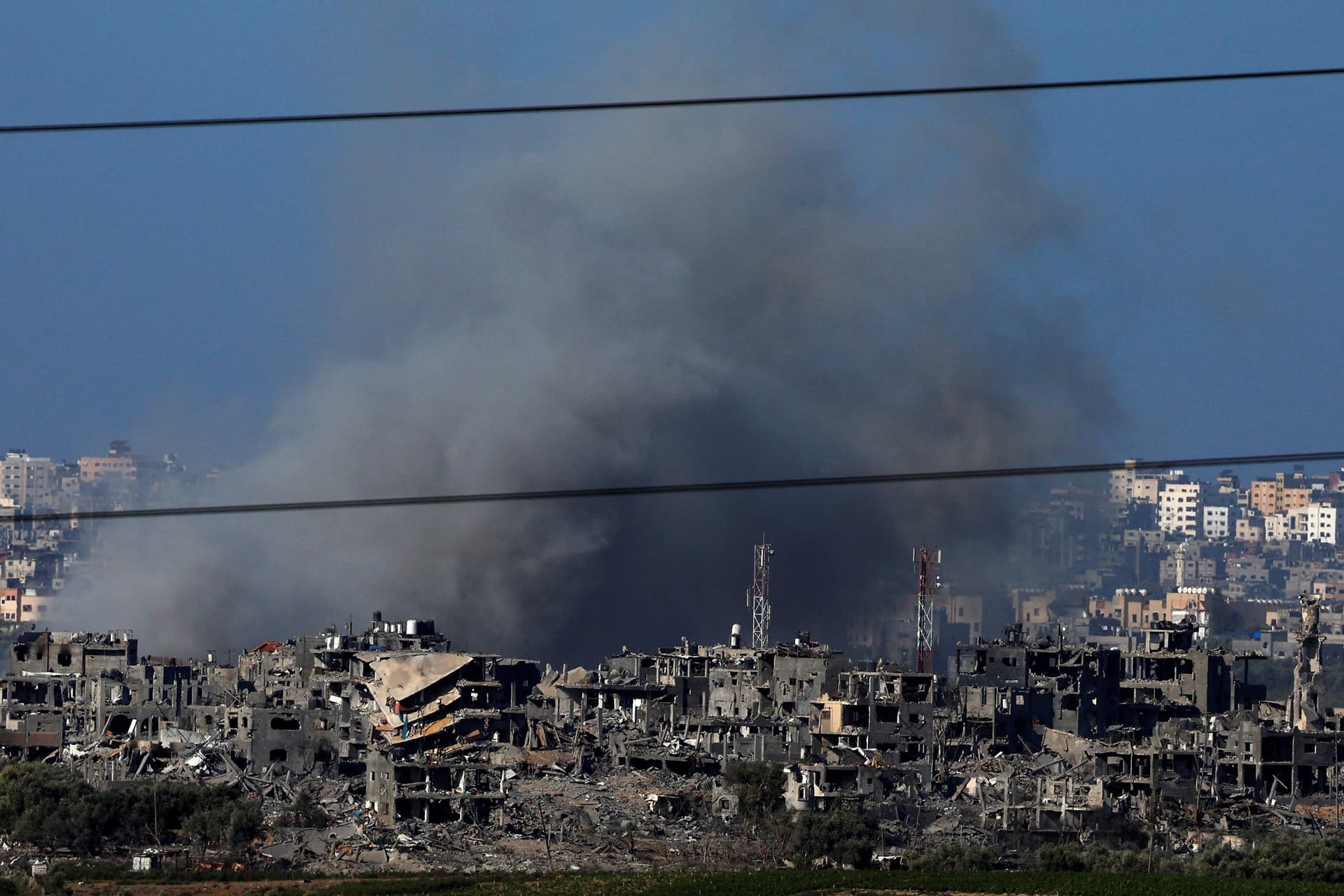
Israeli troops fired across the ceasefire line in the northern Gaza Strip on Dec. 19, killing at least five Palestinians, including a baby, Shifa Hospital in Gaza City said. The hospital received the casualties from the Tuffah neighborhood in eastern Gaza City, and Rami Mhanna, managing director of Shifa Hospital, identified the location where the victims died. Local hospital officials said the incident occurred near the U.S. brokered Yellow Line that has served as a reference point for the fragile truce.
The Israel Defense Forces said troops opened fire after identifying what it described as "suspicious individuals" and that the engagement was under review. Israeli authorities expressed regret for civilian harm and said they were investigating the circumstances surrounding the shooting. Hospital figures and the military account are at the core of competing narratives about responsibility and intent in an area where small movements can trigger deadly responses.
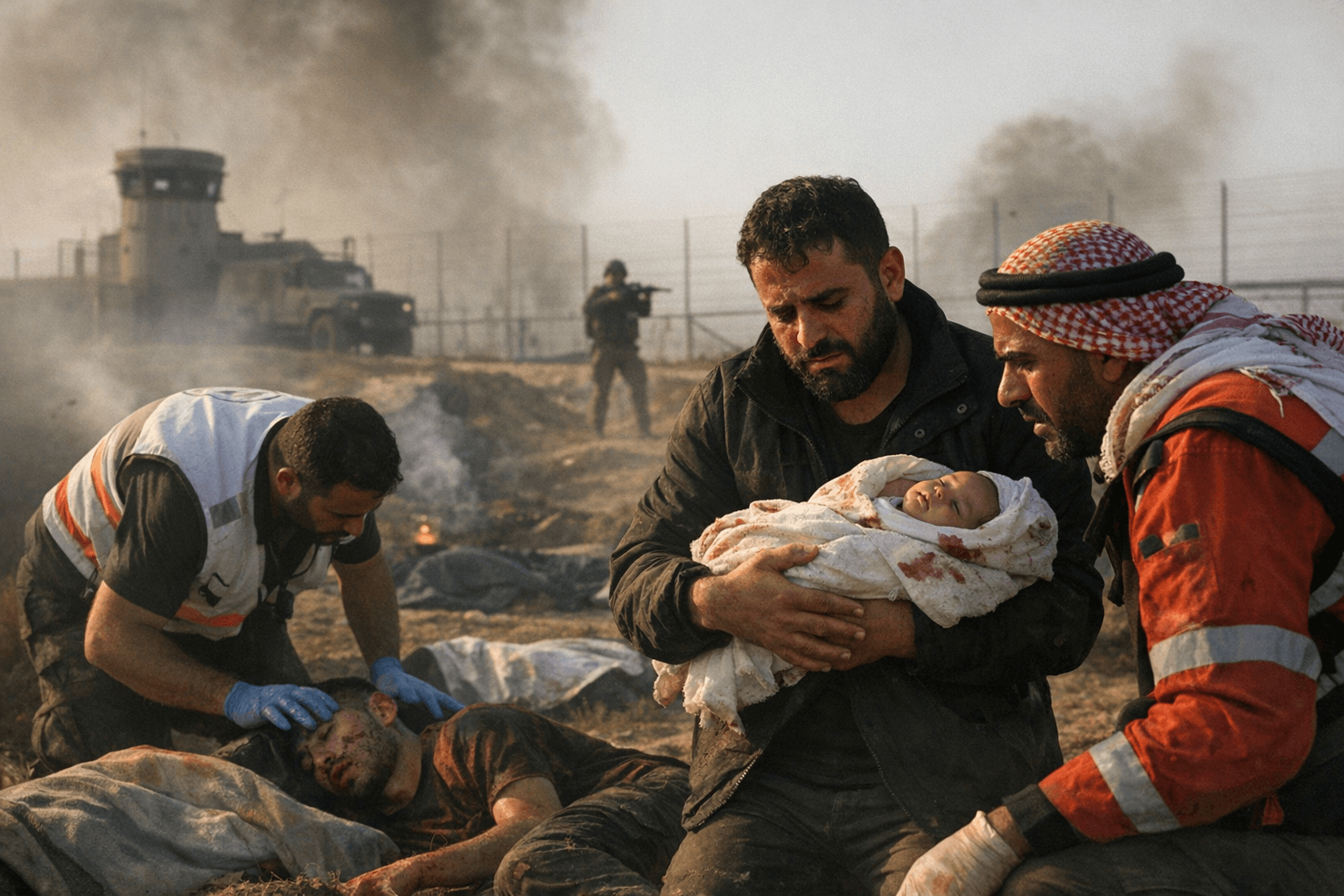
The episode has renewed concerns that the ceasefire, which has already been described by officials on both sides as tenuous, is fraying. Local medical staff and journalists arriving at Shifa displayed the bodies and reported a spike in tensions in recent weeks along and around the ceasefire boundary. Observers say incidents near the Yellow Line are especially volatile because the boundary is informal and subject to differing interpretations by Israeli forces and Palestinian residents and fighters.
The shooting comes amid a longer pattern of deadly engagements that have made civilian safety a persistent challenge since major hostilities began. Earlier in the conflict, an Israeli strike hit the area of Nasser hospital in Khan Younis on Aug. 25, killing at least 20 people including five journalists, according to hospital and official accounts at the time. On the overall toll for media workers, the Palestinian Journalists Syndicate has said more than 240 Palestinian journalists have been killed by Israeli fire since Oct. 7, 2023, while the Committee to Protect Journalists reported a separate tally of more than 190 journalists killed in 22 months of war. The differing figures reflect separate counts by distinct organizations and underscore the human cost that accompanies clashes near civilian infrastructure.
Beyond the immediate humanitarian and political fallout, renewed violence along the ceasefire line carries economic and strategic implications. Markets in the region typically react to escalations through sharper currency moves, increased volatility on local stock exchanges, and higher risk premia for insurers and shipping. For international donors and humanitarian agencies, fresh rounds of violence complicate deliverability of aid and raise potential costs of reconstruction and relief operations, adding fiscal pressure to already strained budgets and donor commitments.
Diplomatically, the incident tests the durability of U.S. mediation efforts and the ability of third parties to enforce practical measures that protect civilians. With both sides signaling that reviews and investigations will follow, the coming days may determine whether the truce holds or whether repeated breaches will further erode the prospects for a sustained pause in fighting.
This article was produced by Prism’s automated news system from verified source data, official records, and press releases, then run through automated quality and moderation checks before publishing. The system is built and supervised by the people who set the standards it runs under. Read our full AI policy.
Did this article answer your question?


