Israeli poll finds broad opposition to Iran ceasefire, divided views on renewed strikes
Israelis were weary of war, but nearly two-thirds still rejected an Iran ceasefire. The split exposed doubts about Tehran, Hezbollah and Israel's unfinished war aims.
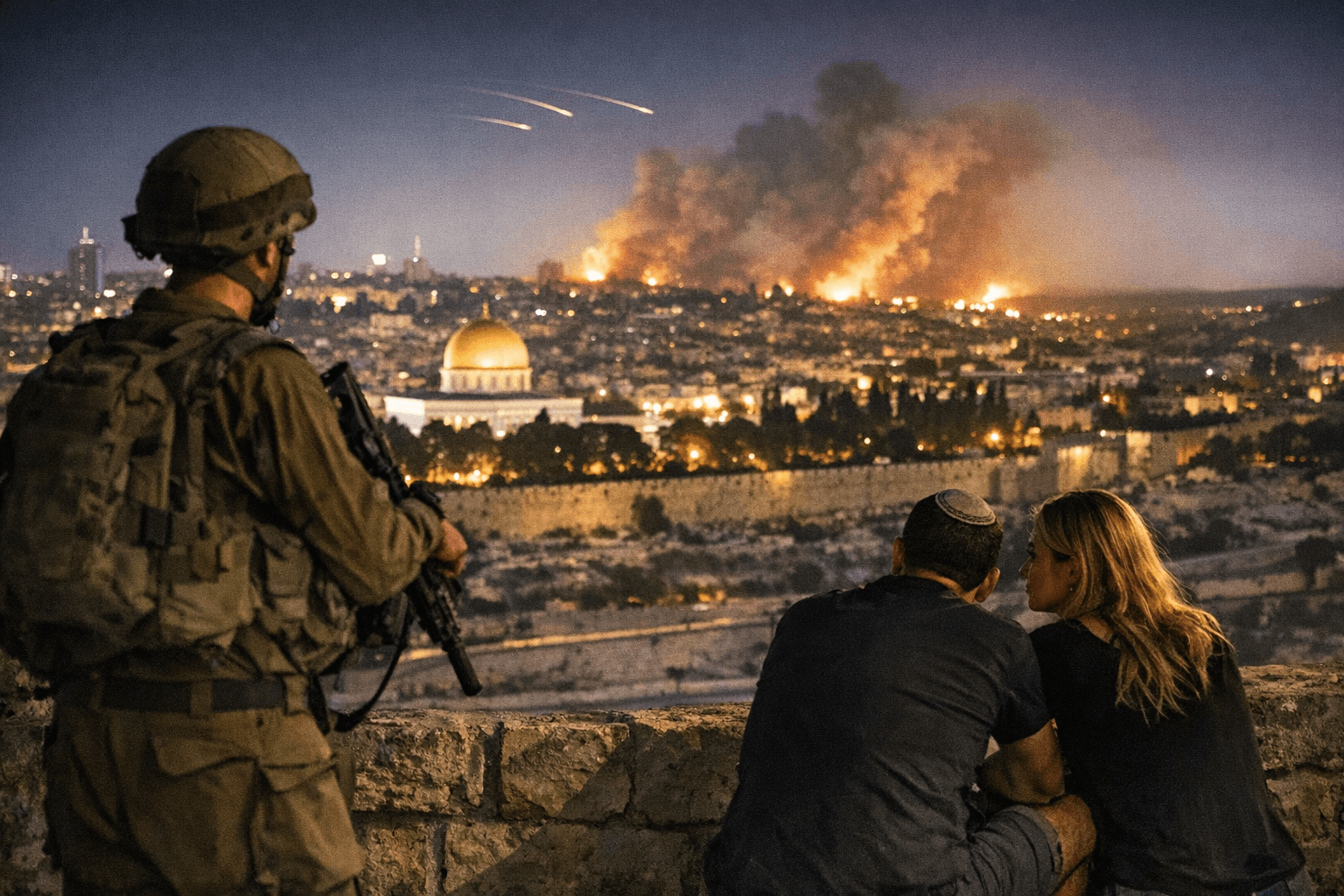
Israelis showed clear signs of exhaustion, yet the latest national poll found a public still reluctant to stop fighting Iran. In the first nationwide survey taken after the United States and Iran agreed to a two-week ceasefire brokered by Pakistan, 39% of respondents said Israel should continue attacks on Iran, 41% said it should respect the truce and 19% were unsure.
The Hebrew University of Jerusalem’s Agam Labs interviewed 1,312 Israelis on April 9 and 10, with a margin of error of 3.2%. The result pointed to a country split between the risks of escalation and a lingering belief that military pressure had not finished the job. Nearly two-thirds opposed the Iran ceasefire, even though the deal had halted U.S. and Israeli airstrikes on Iran.
That hesitation extended to Lebanon. More than 61% said the ceasefire should not be widened to include the fighting with Hezbollah, despite the fact that expanding the truce was a core Iranian demand in talks with the U.S. The war on that front remained active, with Israel continuing bombardment in Lebanon and Hezbollah continuing to fire rockets at northern Israeli towns. The poll suggested many Israelis still doubted that Iran or Hezbollah had been severely weakened by weeks of Israeli and U.S. attacks.
The findings also carried a domestic political warning for Benjamin Netanyahu. Support for the prime minister fell to 34% in the new poll, down from 40% at the outset of the war. That erosion came as Israeli officials assessed that threats from Iran, Lebanon, Gaza and other fronts could not be eliminated outright, sharpening the question of what counts as success in a war that has stretched beyond its original scope.
Earlier polling had shown stronger backing for the campaign against Iran, but also deep anxiety about how it would end. In June 2025, the Institute for National Security Studies found most of the public supported the attack on Iran, about 70% worried about how the campaign might evolve and nearly half believed the government lacked a plan to conclude it. Trust in the Israel Defense Forces was about 82% at that point, up from 75.5% in May 2025.
By March 2026, support for the war with Iran remained high in another poll, including 93% of Jewish Israelis and 26% of Israeli Arabs. Even so, the broader political picture was less forgiving for Netanyahu and his Likud, which had been losing ground as elections loomed by October at the latest. The polling underscored a familiar Israeli divide: broad support for military force, but no clear consensus on when force should stop.
This article was produced by Prism’s automated news system from verified source data, official records, and press releases, then run through automated quality and moderation checks before publishing. The system is built and supervised by the people who set the standards it runs under. Read our full AI policy.
Did this article answer your question?