Israeli strikes hit near Crusader castle in southern Lebanon
Shells and airstrikes landed near Beaufort Castle, a Crusader-era fortress under UNESCO protection, as southern Lebanon’s border war widened.

Israeli air force and artillery strikes hit near Beaufort Castle, dragging a Crusader-built landmark above Nabatiyeh deeper into the military turbulence spreading across southern Lebanon. Lebanon’s state-run National News Agency reported shelling and air attacks around the strategic mountain area, where the fortress overlooks broad stretches of the south and sits about 15 kilometers, or 9 miles, from the Israeli border.
The blow near the castle came as fighting continued around villages close to Nabatiyeh and as Israeli forces pushed against Hezbollah positions in the area. UNESCO said it was “deeply alarmed” by verified damage to Chama’ Citadel and by reported strikes in the immediate vicinity of Beaufort Castle, both of which are provisionally inscribed under the Convention’s enhanced protection regime. Under that system, UNESCO says cultural sites receive the highest level of legal protection against attack and military use.
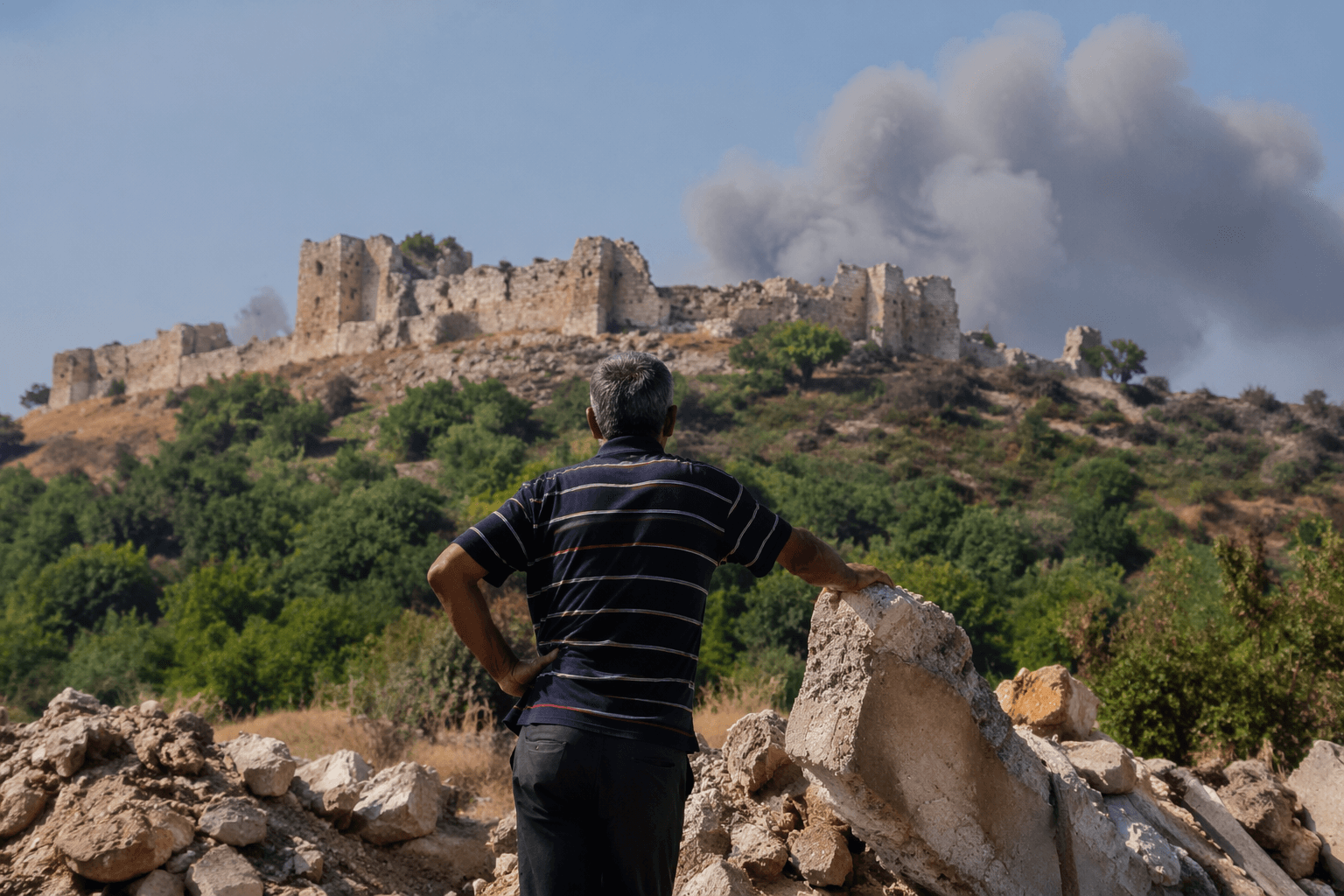
Lebanon’s culture minister, Ghassan Salame, said the strikes put heritage sites in “serious danger” and that Beaufort Castle was “directly hit,” with several bombs falling on the fortress. He said Lebanon had placed 79 sites across the country under enhanced UNESCO protection and said he would seek a UNESCO commission of inquiry after the fighting ends, while also urging the organization to appoint a special commissioner.
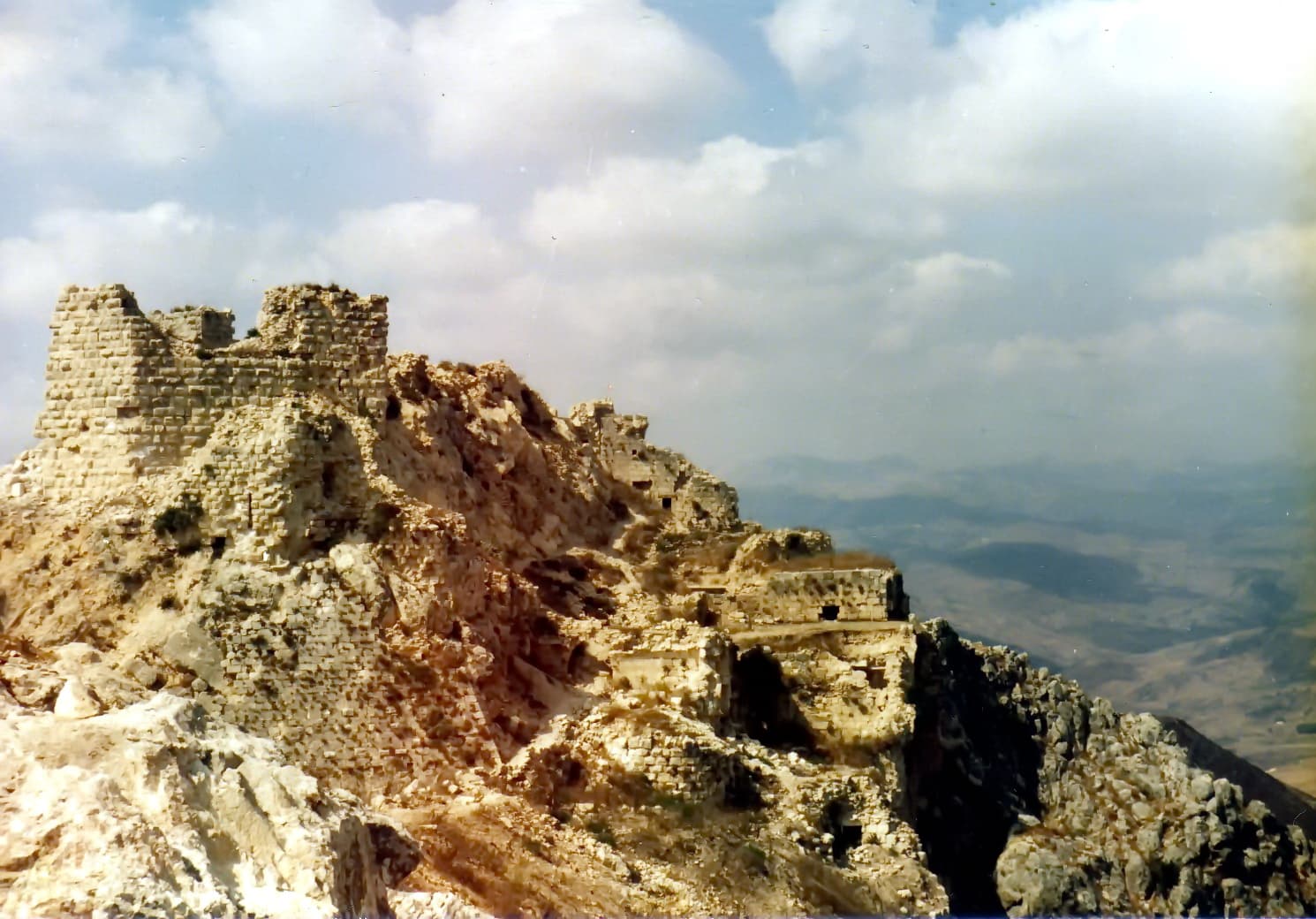
Beaufort Castle carries centuries of history into a war zone. UNESCO says the fortress, listed as Qalaat al-Chakif on its tentative list, was originally built around 1137 A.D. by the King of Jerusalem and later expanded by Ayyubid, Mamluk and local feudal rulers. UNESCO describes it as one of the best-preserved medieval castles in the Near East, and the wider Mount Amel castle group as a record of nearly nine centuries of fortified-architecture evolution.
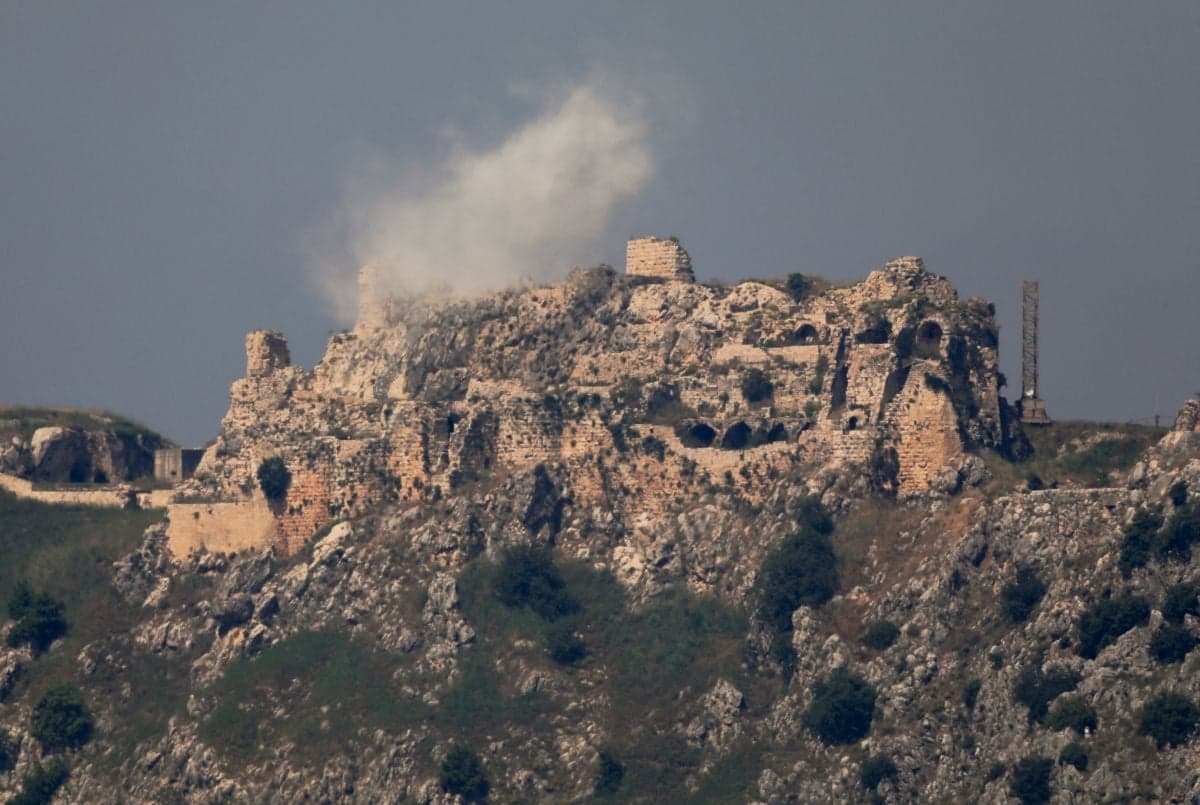
The site also has modern military history. Israeli forces held Beaufort Castle for 18 years before withdrawing from Lebanon in May 2000. More recently, AP reported that Israeli troops advanced into Yohmor and Zawtar al-Sharqieh after crossing the Litani River, underscoring how the current fighting has reached villages, ridgelines and historic landmarks in the same narrow front.
Lebanon’s president and prime minister said they would intensify contacts to stop demolition and bulldozing of homes and historical sites. For communities around Nabatiyeh, Tyre and the hills above the Litani, the latest strikes sharpen a familiar fear: that the war is not only crushing daily life, but also erasing the places that hold the region’s memory.
This article was produced by Prism’s automated news system from verified source data, official records, and press releases, then run through automated quality and moderation checks before publishing. The system is built and supervised by the people who set the standards it runs under. Read our full AI policy.
Know something we missed? Have a correction or additional information?
Submit a Tip