Trump seeks tougher terms in Iran deal over uranium stockpile
Trump reopened an Iran framework his envoys had already struck, centering his demands on the uranium stockpile and risking days of fresh haggling.
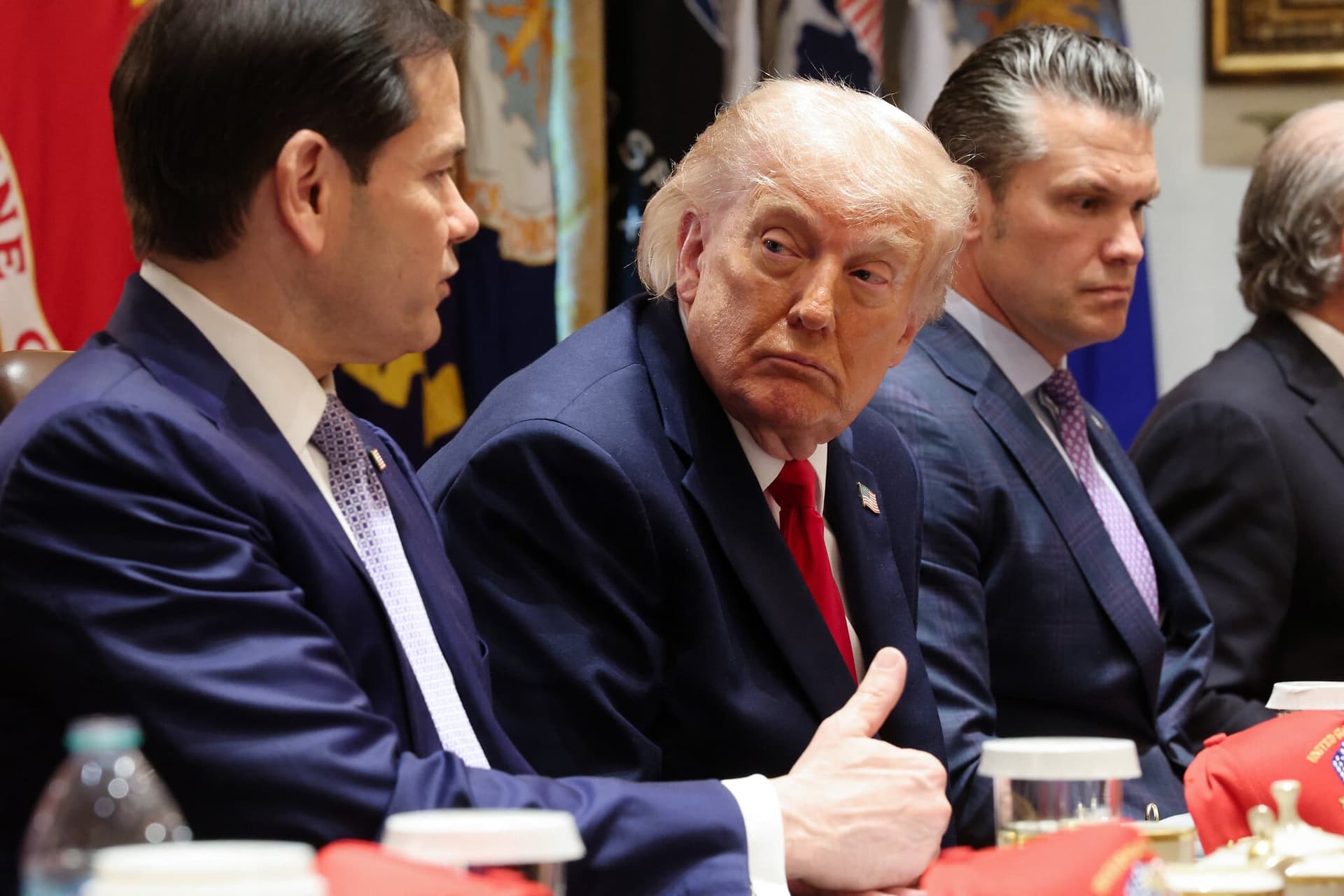
Donald Trump reopened an Iran deal his own envoys had already negotiated, asking for several amendments in a Situation Room meeting that focused squarely on the fate of Tehran’s uranium stockpile. The move put the White House, not the diplomats, back at the center of U.S. Iran strategy.
The revisions are aimed at the most sensitive part of the emerging framework: Iran’s nuclear material. Trump’s push for changes could add several more days of back-and-forth with Iranian counterparts, underscoring how fragile the talks remain even after negotiators had narrowed in on a template. Steve Witkoff and other U.S. envoys had already been working through the outlines of a deal, but Trump’s intervention made clear that nothing is settled until he signs off.
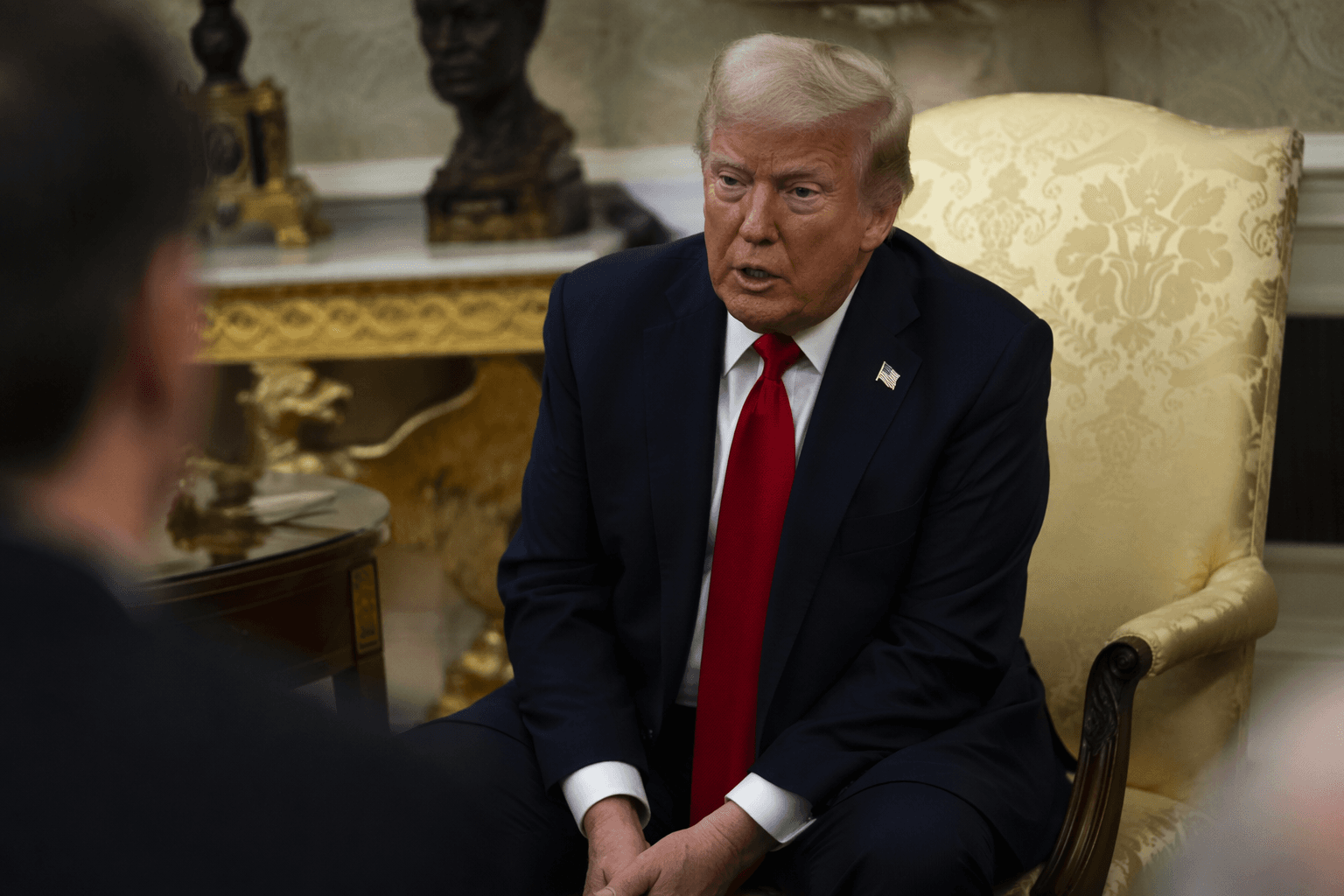
The framework under discussion in early May included halting enrichment, extracting or surrendering Iran’s uranium stockpile, lifting U.S. sanctions, reopening the Strait of Hormuz, securing a Lebanon ceasefire and then entering a monthlong follow-on negotiation period for a fuller agreement. That sequence would tie nuclear constraints to regional security and to one of the world’s most important energy chokepoints, a reminder that any Iran accord would ripple far beyond Tehran and Washington.
By May 24, Iran had agreed in principle to dispose of highly enriched uranium, but a final deal was still not expected that weekend. U.S. officials believed Iran’s supreme leader had approved the template, yet details still had to be finalized and the deal still needed a green light from Ali Khamenei’s side. The administration was simultaneously keeping up pressure through sanctions on Iran’s oil trade and procurement networks, a signal that diplomacy and coercion remained fused together.
Marco Rubio said the administration wanted “a good agreement” and otherwise would have to deal with Iran “another way.” That warning, combined with the State Department’s insistence in May that Iran remained a threat to global nonproliferation, shows the talks are being conducted under a hard deadline and a harder backdrop. Trump’s edits may strengthen the deal on paper if they tighten controls on the stockpile, but they also risk slowing a process that still appears one presidential demand away from collapse.
This article was produced by Prism’s automated news system from verified source data, official records, and press releases, then run through automated quality and moderation checks before publishing. The system is built and supervised by the people who set the standards it runs under. Read our full AI policy.
Know something we missed? Have a correction or additional information?
Submit a Tip