Trump weighs Iran deal that could reopen Strait of Hormuz
Trump kept a Gulf ceasefire deal on ice after a two-hour Situation Room meeting, leaving Hormuz shipping and oil markets in limbo.

Donald Trump left a proposed Iran deal hanging Friday after a two-hour Situation Room meeting, turning a ceasefire extension into a test of presidential resolve and keeping the Strait of Hormuz, one of the world’s most important oil routes, in suspense.
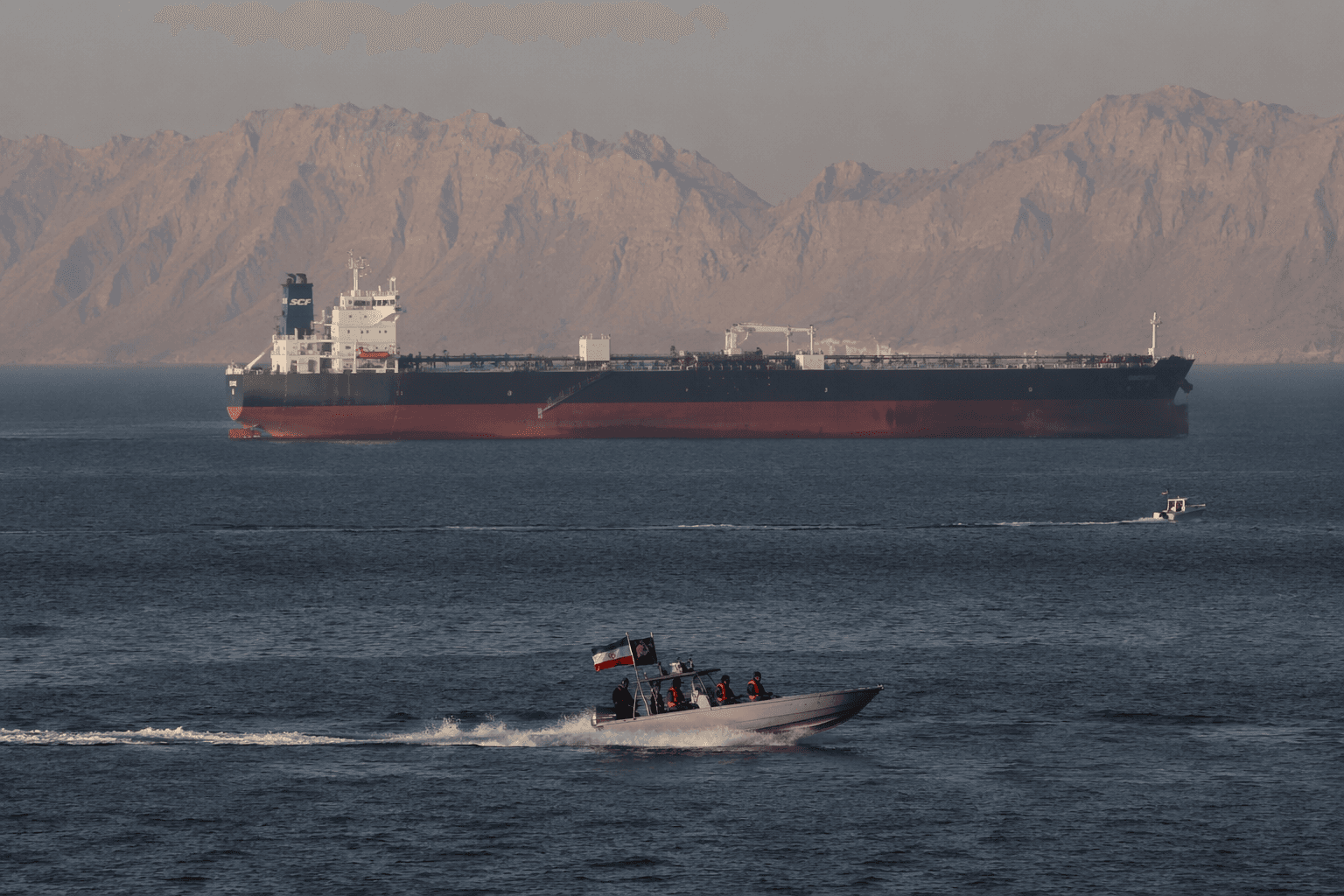
The draft under discussion would extend the fragile ceasefire by 60 days and open another round of talks on Iran’s nuclear program. In the version described by U.S. and Iranian sources, it could also reopen the Strait of Hormuz to normal shipping and lift the U.S. naval blockade near Iran if Tehran met Washington’s conditions. That matters far beyond the battlefield: the strait handles a huge share of seaborne oil traffic, so even a short pause in military pressure can move energy markets, alter tanker routes and reshape risk premiums across the Middle East.
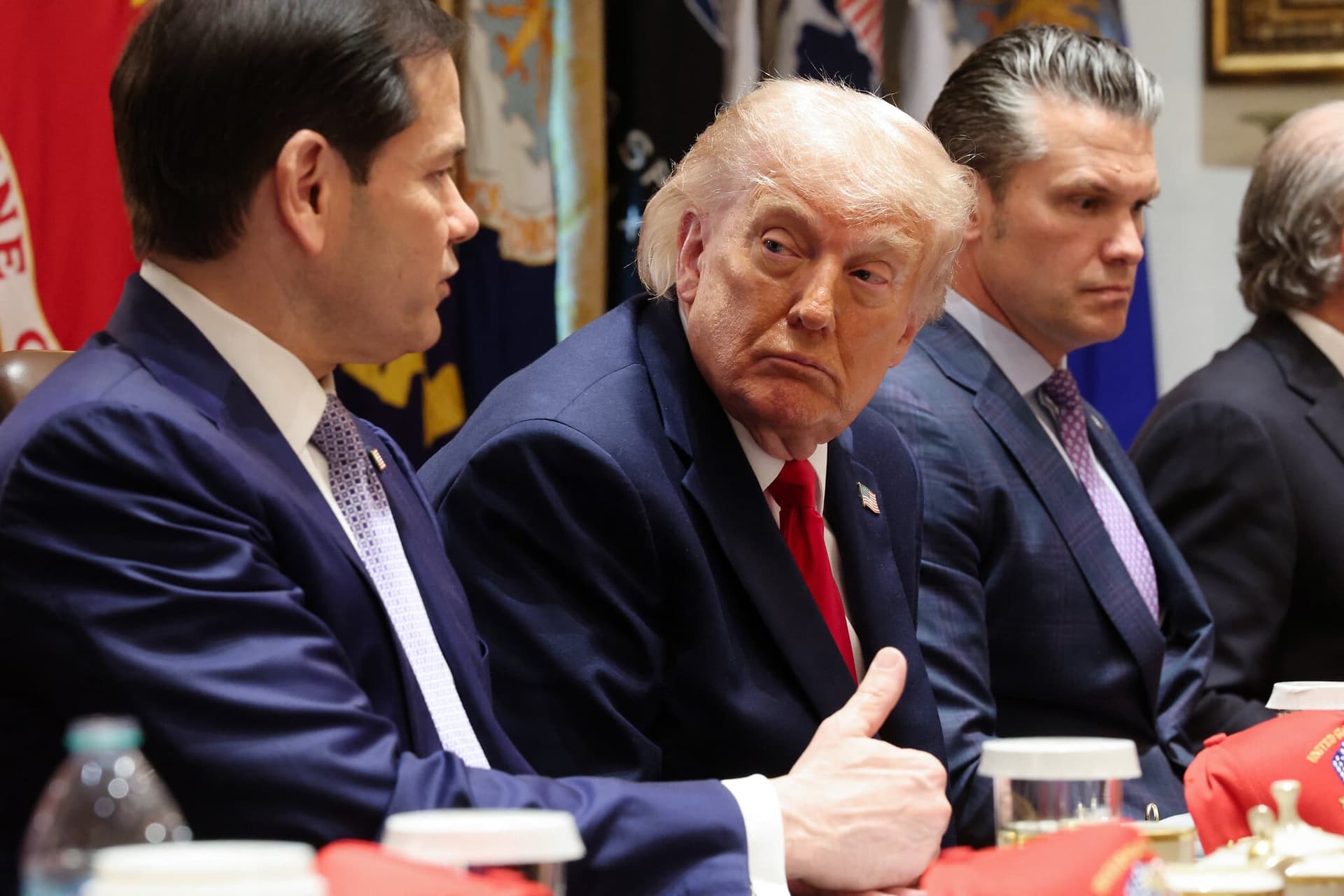
Trump said he was meeting in the White House Situation Room to make a “final determination” on the deal, but he did not announce a decision. He has demanded that Iran never obtain a nuclear weapon, that the Strait of Hormuz be open to unrestricted traffic and that mines be removed. Vice President JD Vance said the United States was close to a deal, though not there yet. Defense Secretary Pete Hegseth said any agreement would be a good deal and warned Washington could resume strikes if talks collapsed.
Iran’s response was more cautious. Iranian state media and officials said there was still no final agreement and disputed parts of Trump’s account, signaling that Tehran had not formally signed off on the latest version. That gap between White House confidence and Iranian hesitation has defined the diplomacy for weeks, as each side tries to claim momentum without making the final concession.
The stakes have risen with time. The war began on Feb. 28, 2026, and a ceasefire announced on April 8 after roughly 40 days of fighting has been repeatedly tested by renewed strikes and tit-for-tat military moves. The current framework would buy negotiators 60 more days to seek a more durable settlement, but every day of delay keeps Israel, Gulf states, Tehran and U.S. forces preparing for both de-escalation and the next round of escalation. In a region where shipping lanes, nuclear talks and airstrikes are tightly linked, indecision itself has become a strategic risk.
This article was produced by Prism’s automated news system from verified source data, official records, and press releases, then run through automated quality and moderation checks before publishing. The system is built and supervised by the people who set the standards it runs under. Read our full AI policy.
Know something we missed? Have a correction or additional information?
Submit a Tip