Israel’s Iran war leaves lingering doubts about victory claims
Israel says it won its Iran war, but 28 dead, more than 3,000 wounded and homes shattered left many Israelis unconvinced the threat is gone.
Benjamin Netanyahu called the campaign a “historic victory,” but for many Israelis the 12-day war with Iran ended with the same strategic problem still in place: Tehran’s regime survived, its nuclear and missile programs were not eliminated, and the country’s sense of security was shaken rather than settled.
Israel launched Operation Rising Lion on June 13, 2025, striking Iranian nuclear facilities, missile sites, military bases, senior commanders and nuclear scientists. The fighting escalated fast enough to draw in the United States, which hit three Iranian nuclear sites, Fordow, Natanz and Esfahan, on June 21. The war ended only after a ceasefire announced by U.S. President Donald Trump on June 23-24.
During the fighting, the Israel Defense Forces said the operation would continue until the threat from Iran’s nuclear program and ballistic missiles was removed, but it gave no timeline. That open-ended pledge sharpened the political burden once the guns fell silent. Netanyahu later said Israel had achieved its war goals and warned that Israel would strike again if Tehran tried to rebuild its atomic program. Yet the basic reality remained unchanged: Iran’s regime was still standing, and Israel’s long-running fear of a nuclear-armed adversary had not been resolved.
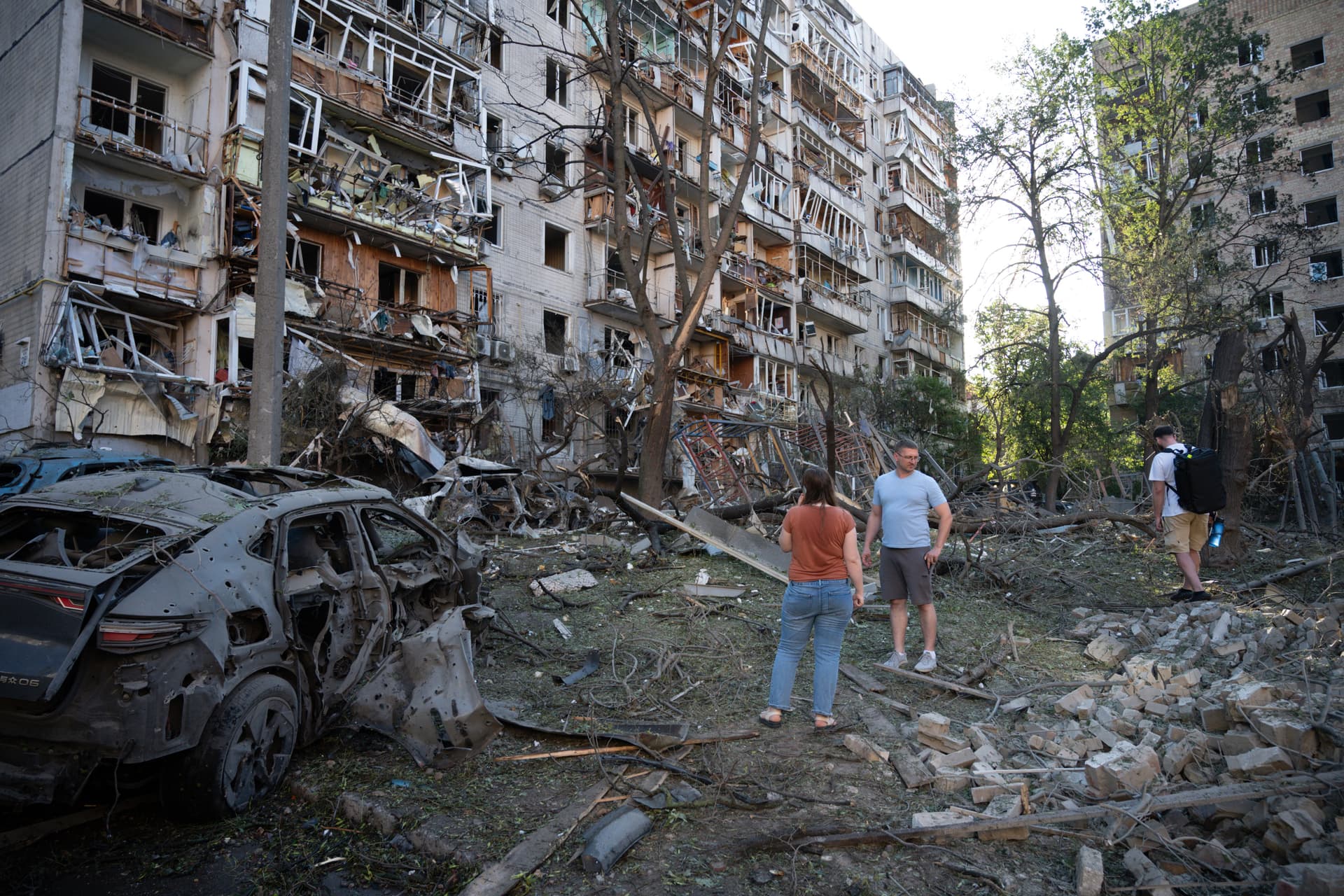
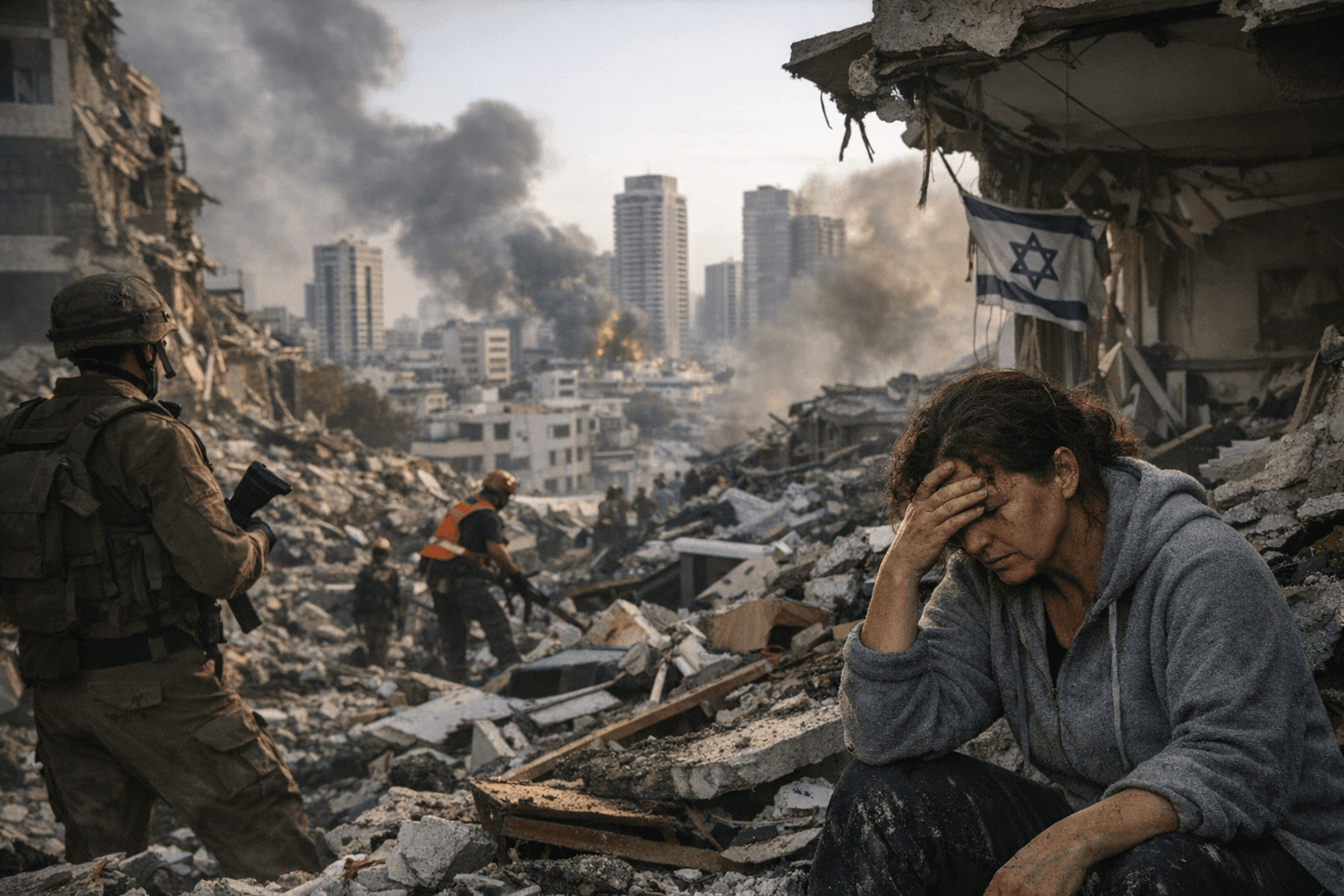
The cost inside Israel made that uncertainty concrete. Iranian missile attacks killed 28 people and wounded more than 3,000 over the 12 days of fighting. Residential buildings were damaged or destroyed in Tel Aviv, Bat Yam, Bnei Brak, Petah Tikva and Haifa, leaving some residents homeless and generating a large wave of compensation claims. For families who watched apartment blocks collapse or were forced out of their homes, the language of victory offered little immediate reassurance.
Public opinion showed support for the strike, but also deep unease about where it was heading. A survey by the Institute for National Security Studies found 73% of Israelis backed the attack on Iran. At the same time, around 70% said they were worried about how the campaign would unfold, and nearly half said the government lacked a clear plan to conclude it. That mix of backing and anxiety helps explain why triumphal claims have landed unevenly in Israel.
For decades, Israeli leaders have warned that Iran is close to a nuclear weapon. The June 2025 war revived those fears on a larger scale, but it did not close them. For many Israelis, the central question is not whether damage was inflicted on Iran, but whether daily life in Israel is now safer in any durable, measurable way.
This article was produced by Prism’s automated news system from verified source data, official records, and press releases, then run through automated quality and moderation checks before publishing. The system is built and supervised by the people who set the standards it runs under. Read our full AI policy.
Did this article answer your question?