Italy Rejects Equal Parental Leave as Fatherhood Culture Rises
Italy blocked equal parental leave by 137 to 117, even as fatherhood influencers turn diaper changes and school runs into a new public norm.
Italy’s parliament shut down equal parental leave by 137 votes to 117 just as a more hands-on model of fatherhood is gaining visibility online. The split captures a wider policy-culture gap: younger fathers are publicly normalizing caregiving, but the state still treats leave as a mother’s issue.
The rejected proposal would have created equal, non-transferable, fully paid parental leave for mothers and fathers, modeled on Spain. Center-right lawmakers opposed it on budget grounds, and the defeat followed an earlier rejection in February of a separate bid to equalize maternity and paternity leave. Italy’s current system still gives mothers about five months of maternity leave, while fathers get just 10 days of paternity leave.
That imbalance matters far beyond the nursery. Italy is wrestling with a deep demographic slowdown that makes family policy a national economic question, not just a private one. Provisional data from Istat showed 355,000 babies were born in 2025, about 15,000 fewer than in 2024. The fertility rate fell to 1.14 children per woman, and the resident population stood at 58.943 million on January 1, 2026.

The labor market data underline the cost of keeping caregiving unequal. World Bank figures for 2025 put female labor-force participation in Italy at 40.8%, compared with 58.3% for men. Reuters and Eurostat figures cited in coverage put female employment at about 53% in 2024, the widest gender employment gap in the European Union. With leave still tilted toward mothers, the burden of unpaid care continues to shape who stays attached to work and who steps back.
At the same time, social media is rewriting what fatherhood looks like. Diego Di Franco, a father of two and family influencer in Trezzano sul Naviglio near Milan, regularly posts about school pickups, after-school activities, dinner preparation and the routines of hands-on parenting. A Reuters photo package dated April 9, 2026 showed him with his daughter Eva at a birthday party, a small scene that reflects a larger shift in how caregiving is being displayed and valued.
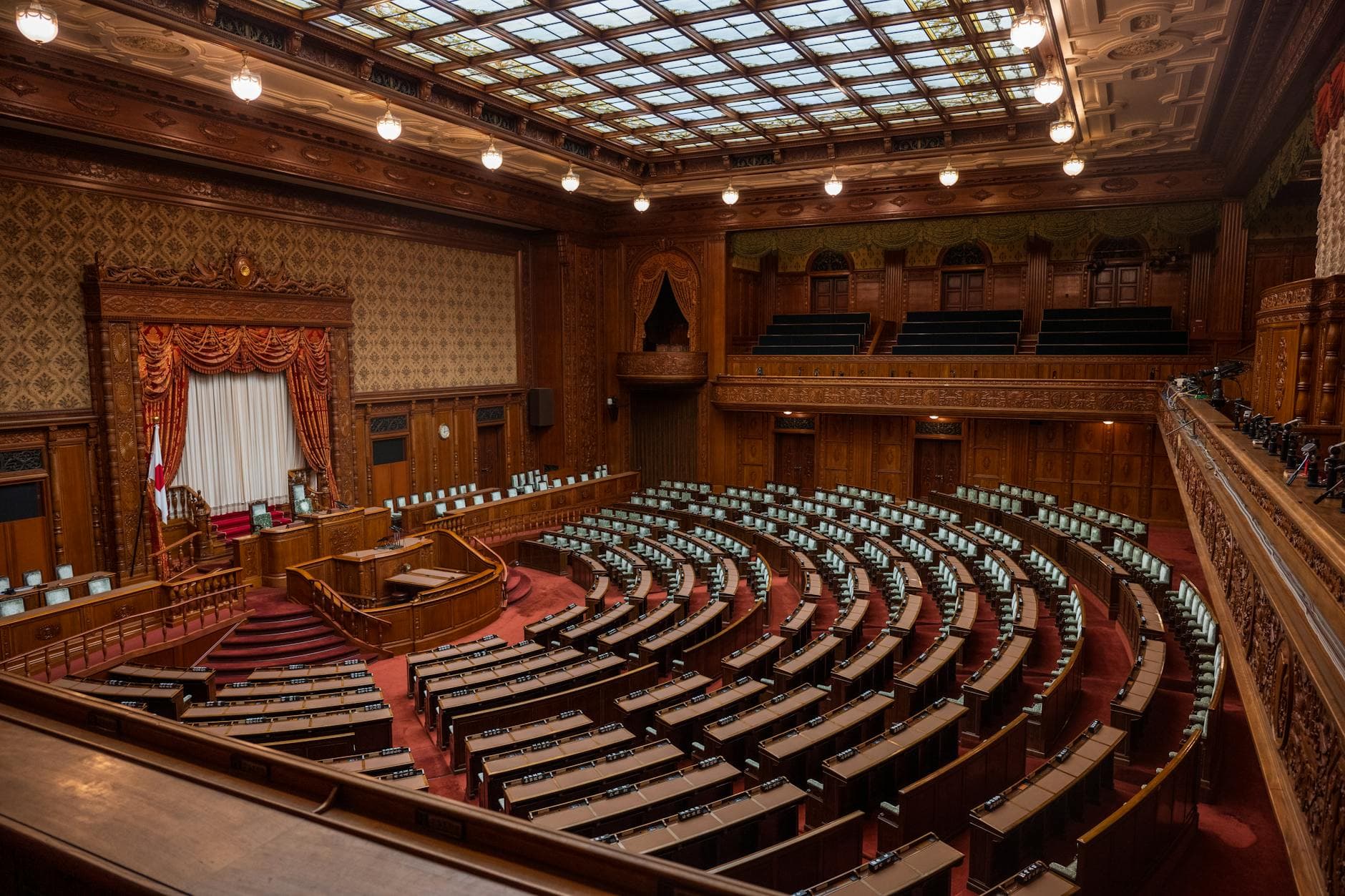
The political reaction was just as telling. Federica Pellegrini criticized the failed bill on Instagram after the vote, sharpening the sense that Italian women still face a punishing trade-off between career and motherhood. In Rome, the debate over leave is no longer only about benefits and budgets. It is about whether law will catch up to the family life Italians are already building, and whether the country can afford to keep asking mothers to absorb most of the cost.
This article was produced by Prism’s automated news system from verified source data, official records, and press releases, then run through automated quality and moderation checks before publishing. The system is built and supervised by the people who set the standards it runs under. Read our full AI policy.
Did this article answer your question?

