Italy Suspends Israel Defense Pact After UNIFIL Convoy Incident
Italy froze its defense pact with Israel after warning shots hit a UNIFIL convoy in Lebanon, widening a rupture that now reaches Trump and NATO politics.
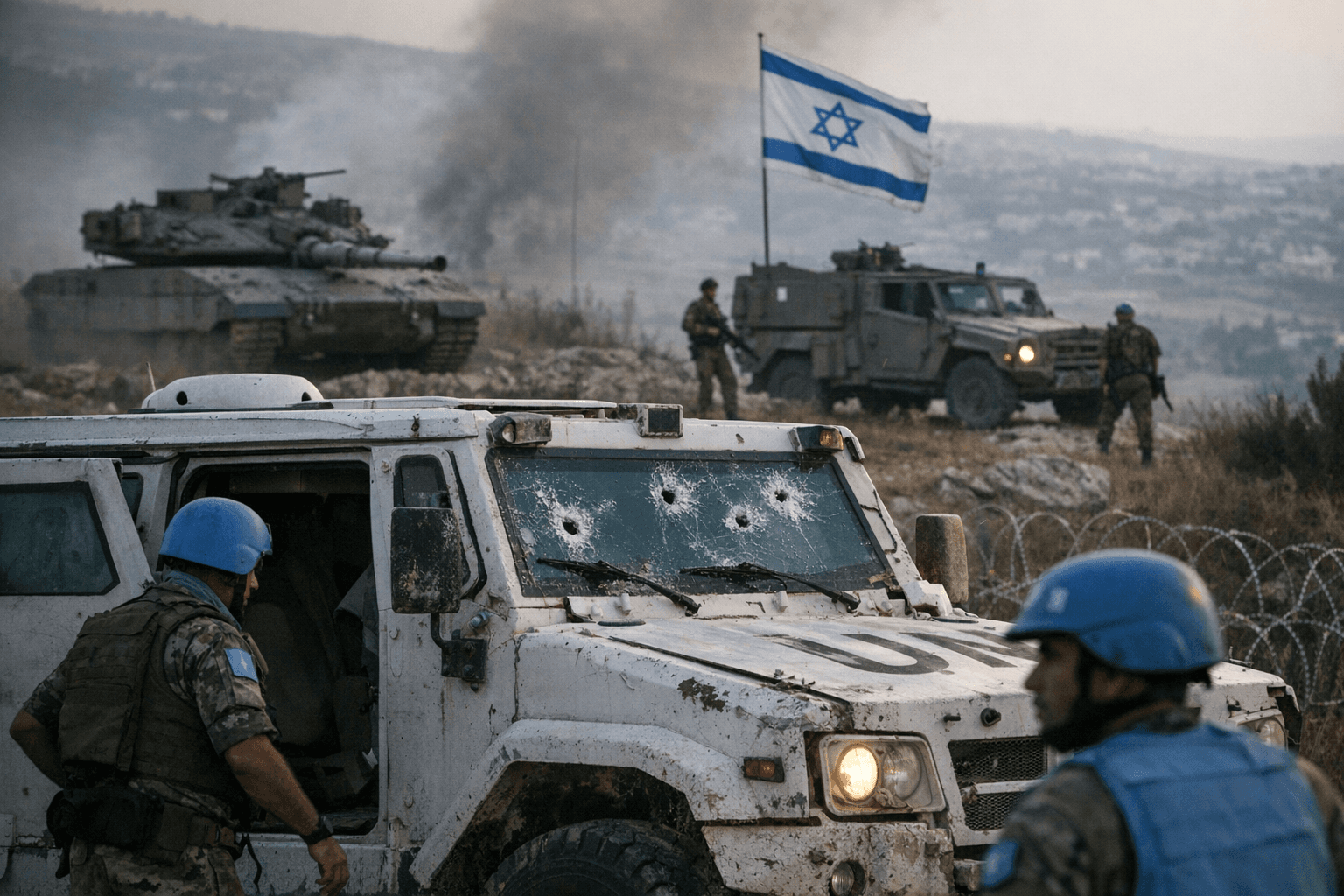
Italy’s suspension of its defense pact with Israel marked a sharp break for one of Jerusalem’s most reliable Western partners, underscoring how the war in the Middle East is fraying alliances far beyond the battlefield. The move also collided with Donald Trump’s public criticism of Giorgia Meloni, widening a transatlantic split that now reaches into NATO politics and Israel’s standing in Europe.
Meloni announced on April 14, 2026, that Rome had suspended the automatic renewal of its defense cooperation agreement with Israel after Israeli warning shots hit an Italian logistics convoy serving with UNIFIL in southern Lebanon on April 8. The strike damaged at least one vehicle but caused no injuries, and Italy summoned the Israeli ambassador soon after. Italian officials said the decision reflected concern for the safety of Italian peacekeepers and anger over Israeli operations in Lebanon that they said were putting those troops at risk.
The agreement, signed in 2003 under Silvio Berlusconi and in force since 2006, was due for automatic renewal every five years unless one side withdrew. It covers defense industries, procurement, training, research and development, and the import, export and transit of defense and military equipment. A defense ministry source said the suspension would affect military training cooperation, a concrete reminder that the rupture is not just symbolic but operational.
Italy is one of UNIFIL’s main contributors, with more than 750 soldiers out of about 7,500 peacekeepers on the mission as of March 30. That footprint gives Rome immediate exposure to the fighting in southern Lebanon and helps explain why the convoy incident became a political breaking point. The government had already moved in January 2024, when Foreign Minister Antonio Tajani said Italy had stopped arms shipments to Israel after the Oct. 7, 2023 Hamas attack, although Defence Minister Guido Crosetto later said pre-Oct. 7 contracts remained valid.
The domestic political pressure had been building as well. Elly Schlein and the centre-left Democratic Party had pushed for the agreement’s suspension before Meloni acted, and Schlein urged Rome to go further by backing suspension of the EU-Israel Association Agreement. The broader backdrop is Israel’s position in the arms market: SIPRI said it was the world’s 15th-largest importer of major arms in 2019-2023, with Italy among its suppliers.
Trump added a second diplomatic jolt on April 14, publicly saying he was “shocked” by Meloni and expected more courage after she criticized his stance on Iran and his remarks about Pope Leo XIV. Together, the two disputes showed how the war is no longer only straining Israel’s ties with adversaries. It is now testing the loyalty of governments that once counted as dependable friends.
This article was produced by Prism’s automated news system from verified source data, official records, and press releases, then run through automated quality and moderation checks before publishing. The system is built and supervised by the people who set the standards it runs under. Read our full AI policy.
Did this article answer your question?


