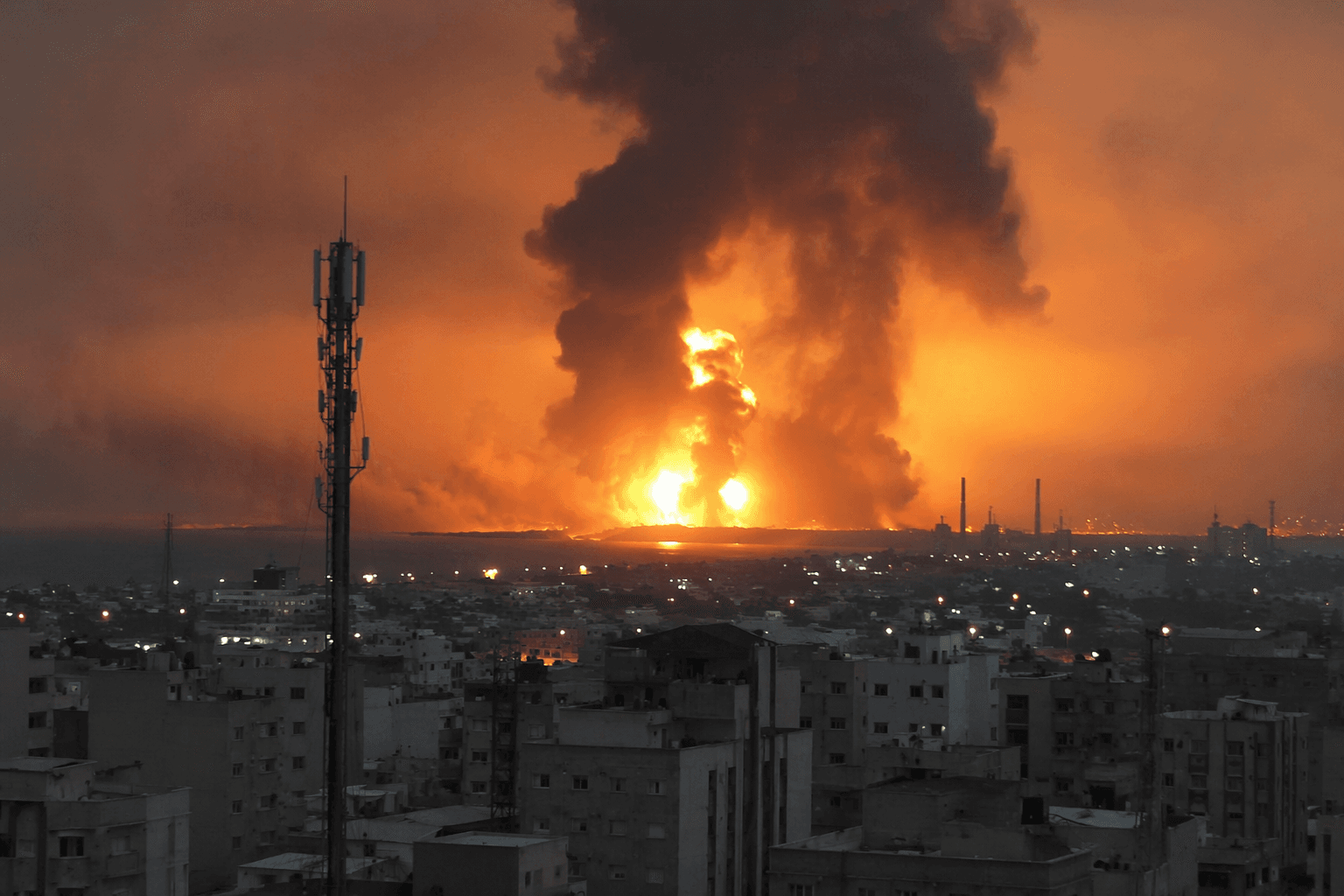
Israel strikes Lebanon as historic U.S.-hosted talks seek cease-fire
Israeli strikes kept hitting southern Lebanon as Washington prepared the first direct Lebanon-Israel talks in decades, testing whether diplomacy could slow the war.
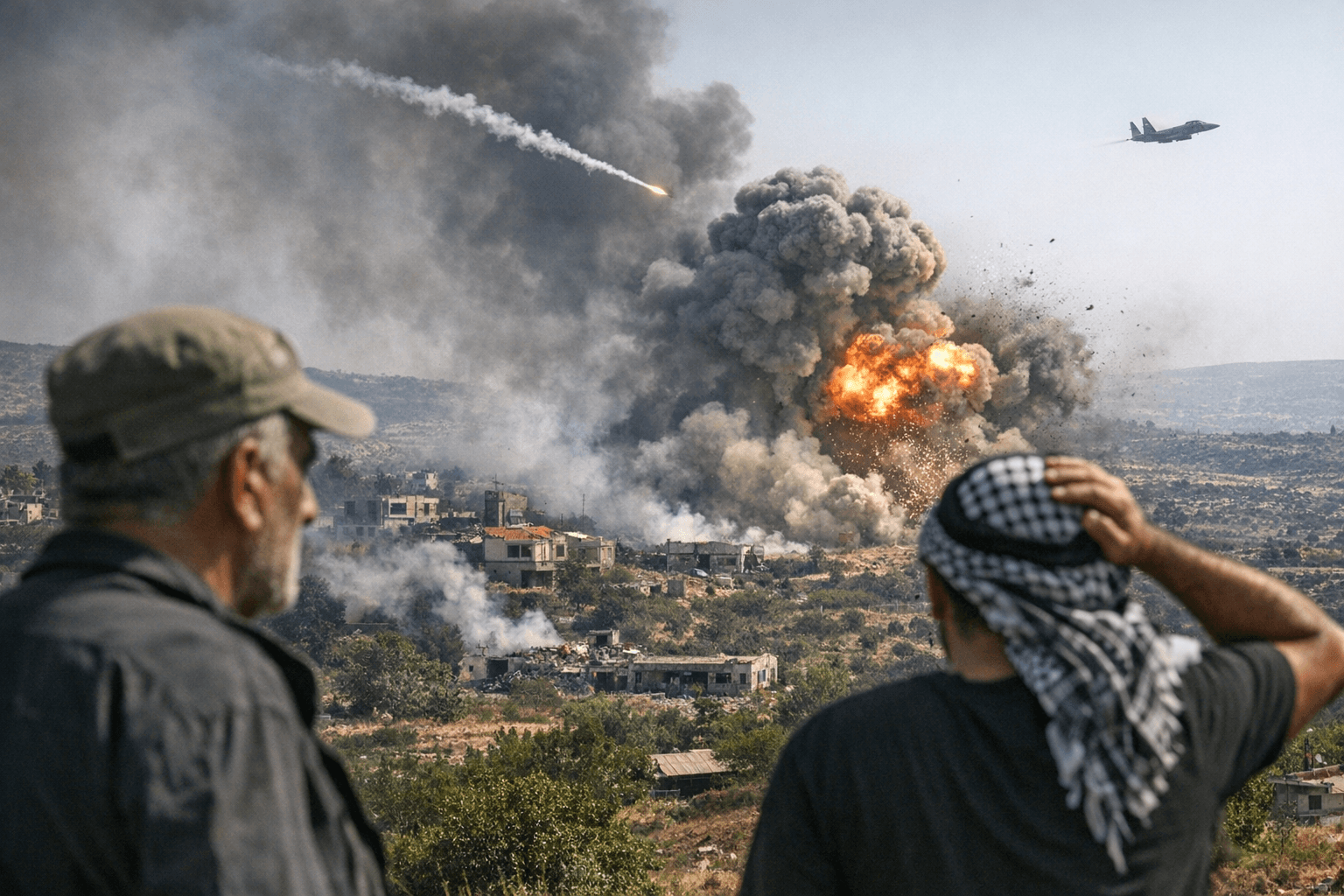
Israeli strikes kept hitting southern Lebanon even as Washington prepared to host the first direct diplomatic talks between Lebanon and Israel in decades, exposing the gap between diplomacy and the battlefield. The meeting, hosted by Secretary of State Marco Rubio, brought together Israel’s ambassador to the United States, Yechiel Leiter, and Lebanon’s ambassador, Nada Hamadeh Moawad, in a rare channel that both sides entered with sharply different demands.
Israel said the talks should center on disarming Hezbollah and reaching a peace agreement, not an immediate cease-fire. Lebanese President Joseph Aoun has insisted the reverse, saying the only path forward was a cease-fire first, followed by direct negotiations. The split underscored how little agreement existed even before the parties sat down in Washington, D.C., and how limited the meeting’s prospects were for producing an immediate halt to the fighting.
The violence on the ground only sharpened that uncertainty. An Israeli strike on Friday killed at least 13 members of Lebanon’s State Security forces in southern Lebanon. That came after a major barrage on April 8 that killed more than 350 people in Lebanon, and Associated Press reporting said a 10-minute wave of strikes on Wednesday killed 303 people. Lebanon’s health ministry said at least 1,953 people had been killed in Israeli strikes, while more than 1 million Lebanese had been displaced, with some reporting putting the toll above 1.2 million.
Hezbollah’s leader, Naim Qassem, urged Lebanon to cancel the Washington meeting and said the group would not respect any agreement reached there. The warning reflected the wider strategic problem at the heart of the talks: Hezbollah is not only a Lebanese political and military force, but also a central part of Iran’s regional leverage against Israel. Analysts said its position on Israel’s border and its large missile arsenal make it Tehran’s most important front line in the confrontation.
The current round of fighting escalated after Hezbollah opened a new front on March 2 in solidarity with Iran, and Israeli ground forces later invaded southern Lebanon. That left the Washington talks looking less like a breakthrough than a test of whether the United States can shape a framework for future negotiations while Israel keeps pressing its military campaign and Lebanon tries to reclaim authority from Hezbollah. The stakes now reach beyond the border itself: whether the talks become an off-ramp or just another layer of crisis management will help determine how far the conflict spreads and how much leverage Washington still has over the next phase.
This article was produced by Prism’s automated news system from verified source data, official records, and press releases, then run through automated quality and moderation checks before publishing. The system is built and supervised by the people who set the standards it runs under. Read our full AI policy.
Did this article answer your question?