Italy’s slow clean energy shift raises costs, deters offshore wind investment
A Danish offshore wind developer has waited two years for Italy’s auction rules, while delays keep power pricier and gas dependence high.
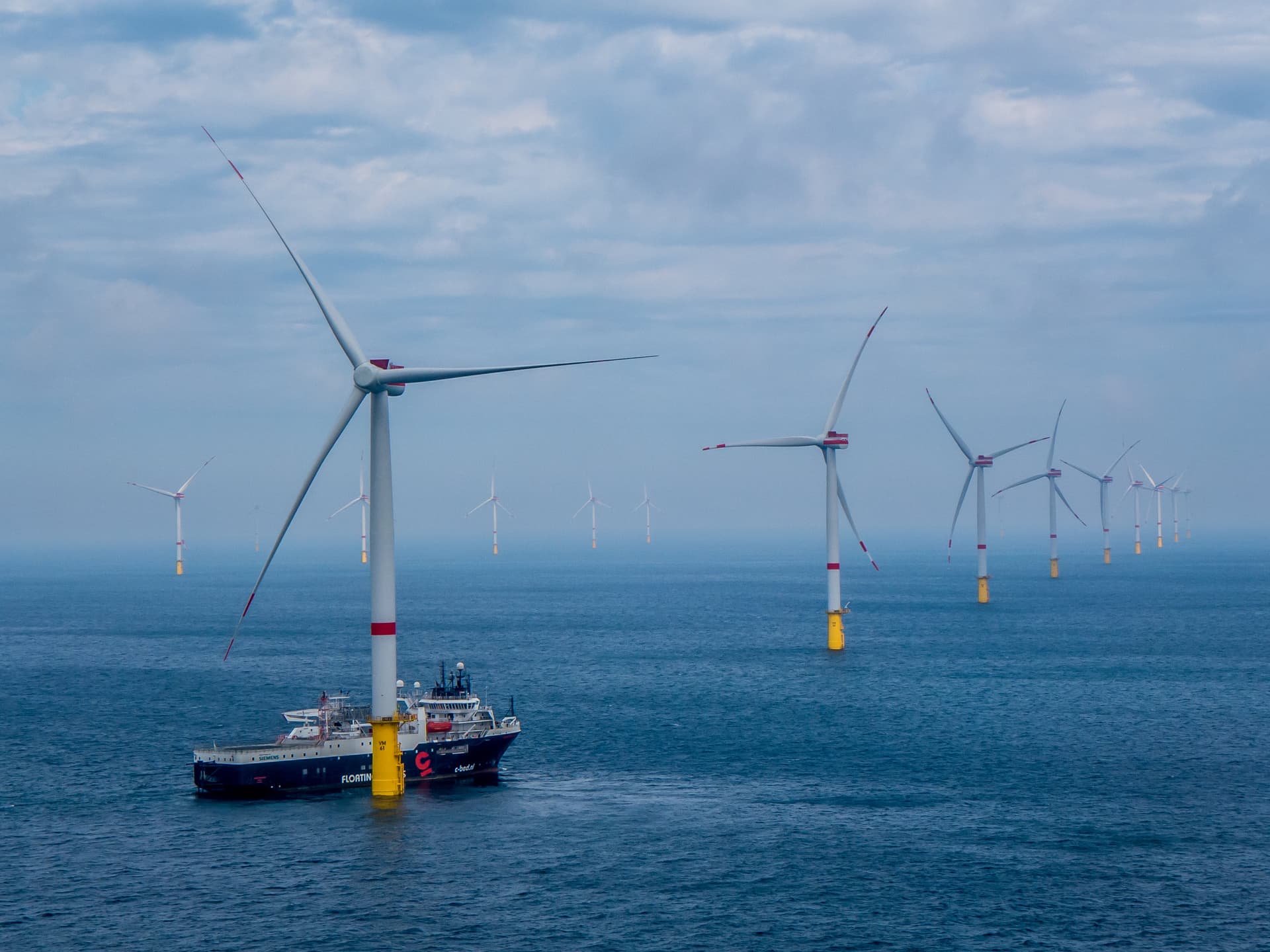
Italy’s clean energy slowdown is now being measured in lost capital, delayed jobs and higher electricity costs. Copenhagen Infrastructure Partners has waited two years after Rome approved incentives for offshore wind, yet the government still has not published the auction calendar it said would run through 2028.
That hesitation carries consequences far beyond one project pipeline. Italy submitted its final updated National Energy and Climate Plan to the European Commission on July 1, 2024, and still aims for carbon neutrality by 2050, but the country remains far behind its own 2030 target of 38.7% renewables in gross final energy consumption. The European Environment Agency said Italy was at 19.6% in 2023 and would need growth roughly four times faster than its historical pace to close the gap.
The electricity mix shows why the delay matters. Ember said Italy generated 49% of its electricity from renewables in 2025, but fossil fuels still supplied 51%, and wind and solar accounted for just 25% of power, below the European Union average of 30%. The International Energy Agency said natural gas made up 42% of Italy’s total energy supply in 2021 and 50% of electricity generation, leaving the country exposed when global fuel markets swing.
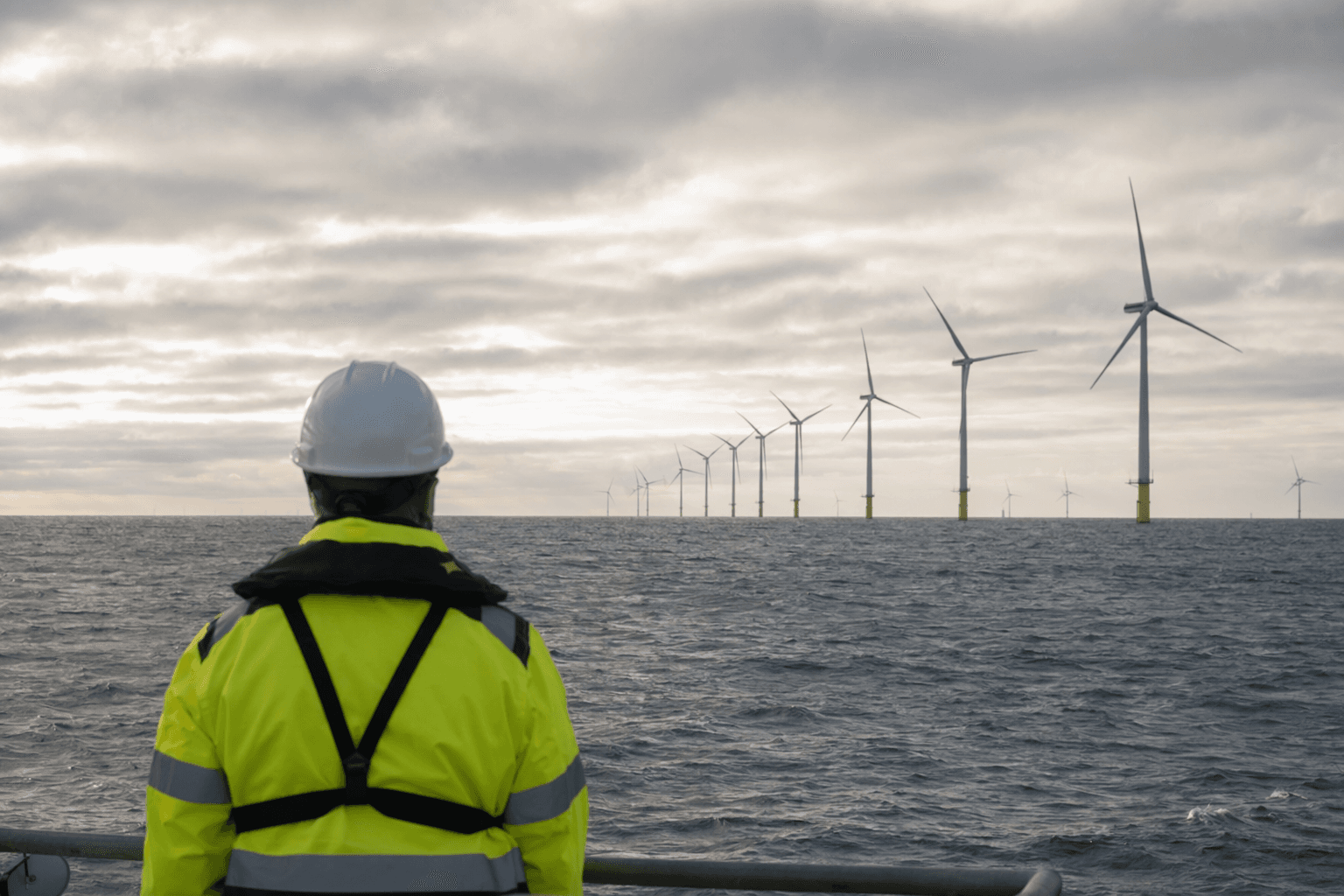
Italy has said it wants to use the transition to strengthen energy security and create economic and employment opportunities, but policy uncertainty is pushing the opposite direction. The European Commission’s December 2023 assessment of Italy’s draft plan said it lacked enough ambition on renewables and energy security. A 2024 support scheme, FER 2, was designed to back 4.6 gigawatts of innovative renewables from 2024 to 2028, including 3.8 gigawatts of offshore wind, but by 2025 and into 2026 the auction process still had not properly begun.
Industry groups say the opportunity is large. Aegir Insights said Italy’s offshore wind market has attracted more than 90 announced projects. Yet bureaucracy, regional resistance and the political preferences of Prime Minister Giorgia Meloni have slowed the buildout, while powerful utility interests and local vetoes continue to delay major projects. That keeps investment decisions on hold just as neighboring countries move faster.
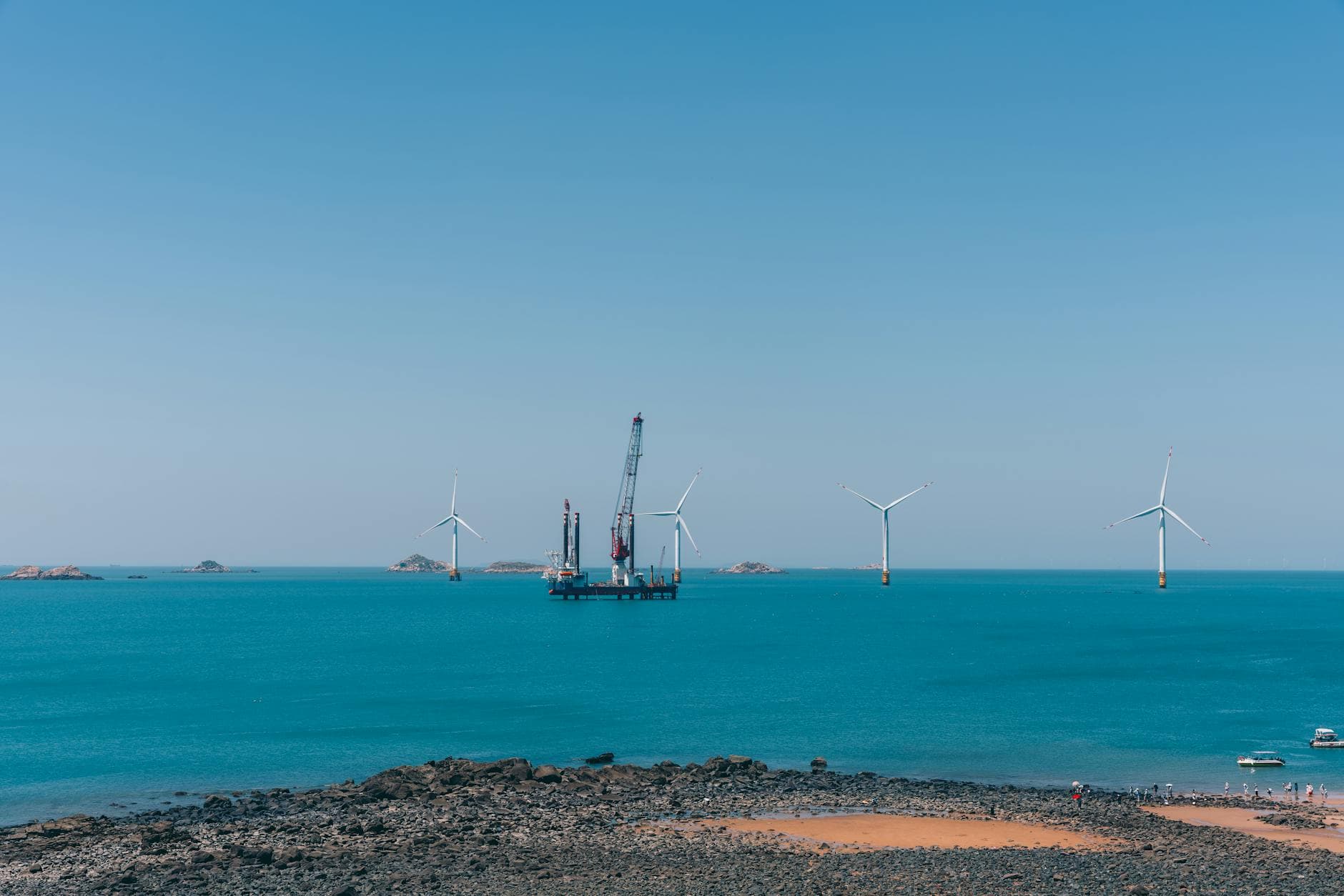
The cost is not only climate-related. Clean Energy Wire said Italy covers around three-quarters of its energy needs with imports, and gas still fuels around 44% of electricity generation. Algeria became Italy’s top gas supplier in 2024, followed by Azerbaijan, underscoring how vulnerable the country remains to volatile fossil-fuel prices. For households and businesses, the result is a stubborn competitiveness problem that cleaner power could help solve if the permits, auctions and policy signals finally arrived.
Know something we missed? Have a correction or additional information?
Submit a Tip