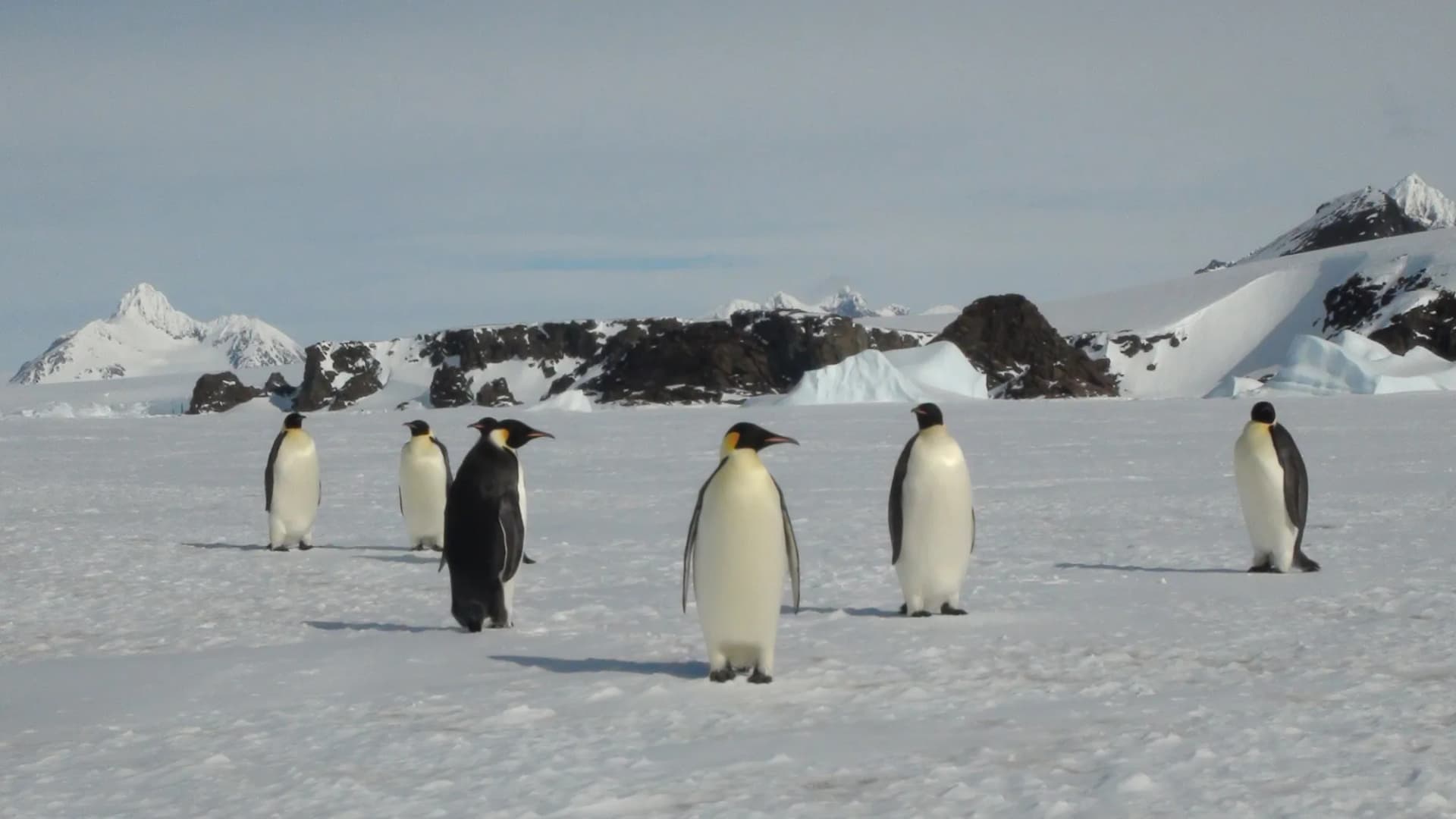
IUCN Declares Emperor Penguins Endangered as Climate Change Threatens Antarctica
Emperor penguins lost 10,000 chicks in a single catastrophic breeding season as the IUCN upgraded the species to Endangered, projecting its population will halve by the 2080s.
The world's largest penguin species edged closer to extinction when the International Union for Conservation of Nature upgraded the emperor penguin from "Near Threatened" to "Endangered" on its Red List of Threatened Species, placing the bird just two steps below "Extinction in the Wild." The April 9 announcement from IUCN headquarters in Gland, Switzerland, projects the global emperor penguin population will halve by the 2080s if current warming trends continue.
The reclassification reflects a decade of accelerating losses. Remote sensing surveys estimated approximately 256,500 to 258,000 breeding pairs across 54 known colonies as of 2020, but satellite analyses show roughly 20,000 adults vanished between 2009 and 2018 alone, representing nearly 10% of the entire population. A 2025 peer-reviewed study published in Communications Earth and Environment documented a 22% decline in the Bellingshausen and Weddell Sea regions between 2009 and 2023, a rate of 1.6% per year that already exceeds projections from high-emissions climate models.
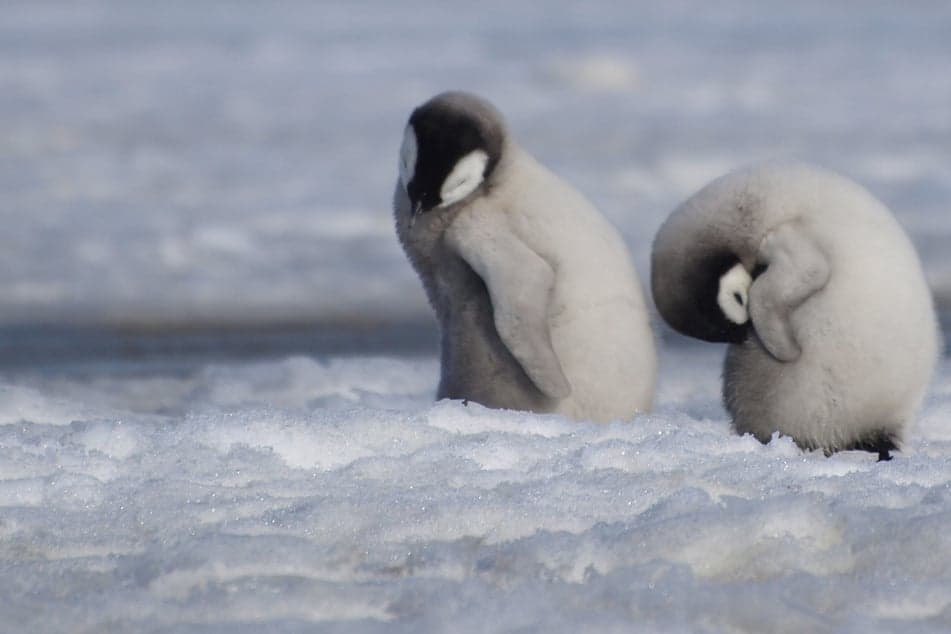
The driver is sea ice collapse. Emperor penguins establish breeding colonies on fast ice, frozen ocean water anchored to the Antarctic coast, beginning in March and April. Chicks hatch between August and September and need approximately nine months of stable ice to develop the waterproof feathers required to survive at sea. When ice breaks apart too early, chicks drown before they can swim.
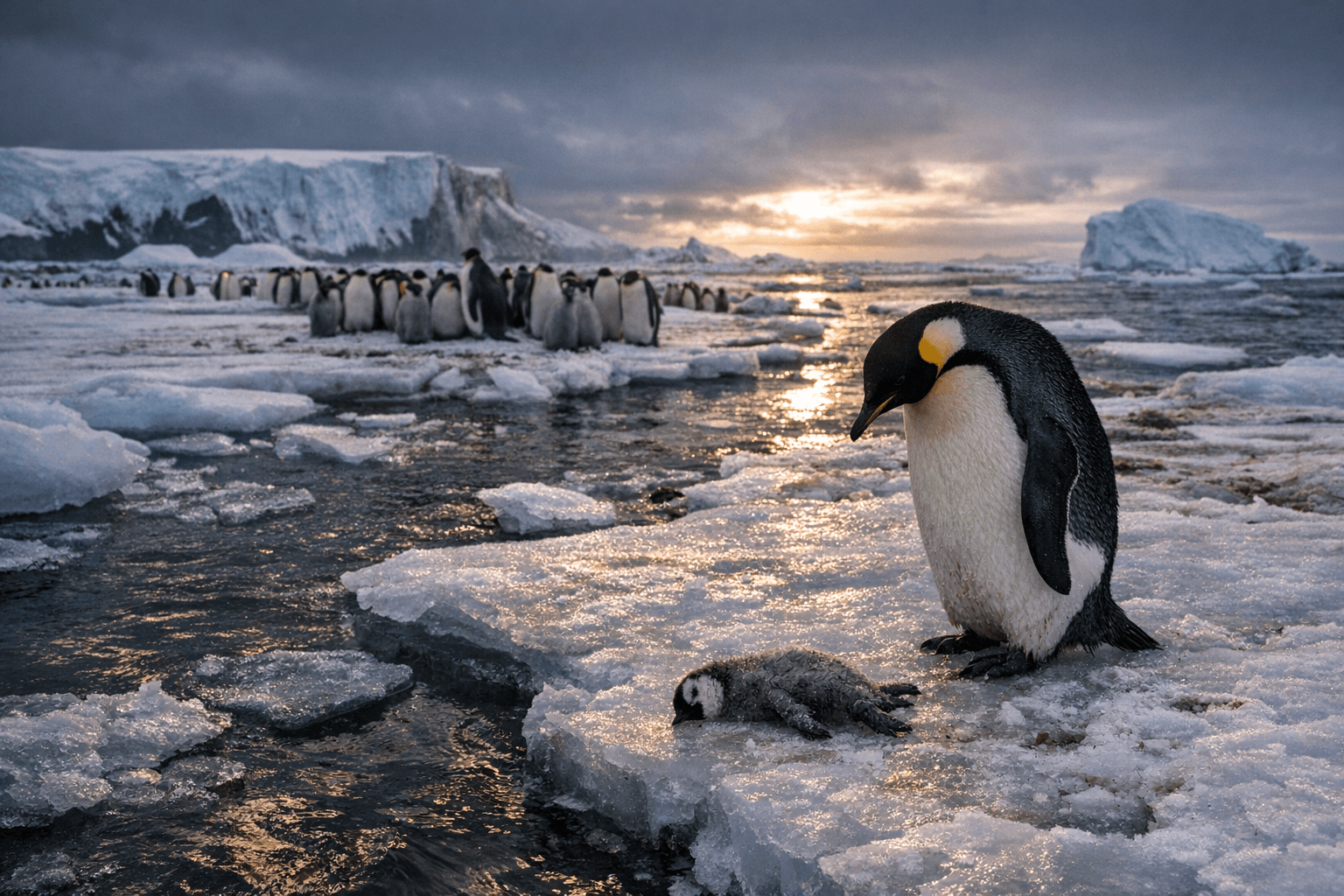
That scenario played out with historic severity in 2022, when four out of five emperor penguin colonies in the Bellingshausen Sea experienced total breeding failure, killing an estimated 10,000 chicks in a single season. The following year was worse in scope: record-low Antarctic sea ice caused breeding failures in 14 of 66 known colonies, roughly 20% of all breeding sites, making 2023 the second-worst season on record. Sea ice has remained at record low levels since 2016.
Dr. Philip Trathan, a member of the IUCN SSC Penguin Specialist Group who worked on the Red List assessment, concluded that "human-induced climate change poses the most significant threat to emperor penguins." He described the species as "a sentinel species that tell us about our changing world and how well we are controlling greenhouse gas emissions that lead to climate change," and offered a stark summation: "Ultimately, there's only one trajectory, and that's downwards."
Martin Harper, CEO of BirdLife International, which coordinated the emperor penguin assessment as the official Red List Authority for birds, called the listing "a stark warning: climate change is accelerating the extinction crisis before our eyes. Governments must act now to urgently decarbonise our economies." BirdLife followed the announcement with a formal call on governments to designate the emperor penguin as an Antarctic Specially Protected Species at an upcoming international meeting in May 2026.
Emperor penguins were not the only Antarctic species reclassified on April 9. The Antarctic fur seal was also upgraded to Endangered after its population plunged more than 50% since 1999, the result of rising ocean temperatures and shrinking sea ice pushing krill deeper out of reach. The southern elephant seal was separately moved from "Least Concern" to "Vulnerable" following population declines linked to a deadly contagious pathogen.
Adding to the alarm, scientists identified new emperor penguin molting sites where the birds shed old feathers between breeding seasons, but satellite imagery shows those sites are now melting beneath the penguins' feet, potentially forcing them back into the ocean before replacement feathers fully grow. The IUCN Red List, maintained by approximately 17,000 scientists and experts from more than 160 countries, carries significant scientific authority but operates independently of U.S. domestic law; the U.S. Fish and Wildlife Service maintains its own separate listing process under the Endangered Species Act.
Sources:
Know something we missed? Have a correction or additional information?
Submit a Tip