Janet Mills’ Trump clash failed to power Maine Senate bid
Mills’ White House showdown with Trump became a national symbol, but Maine Democrats kept moving toward Graham Platner and away from confrontation politics.
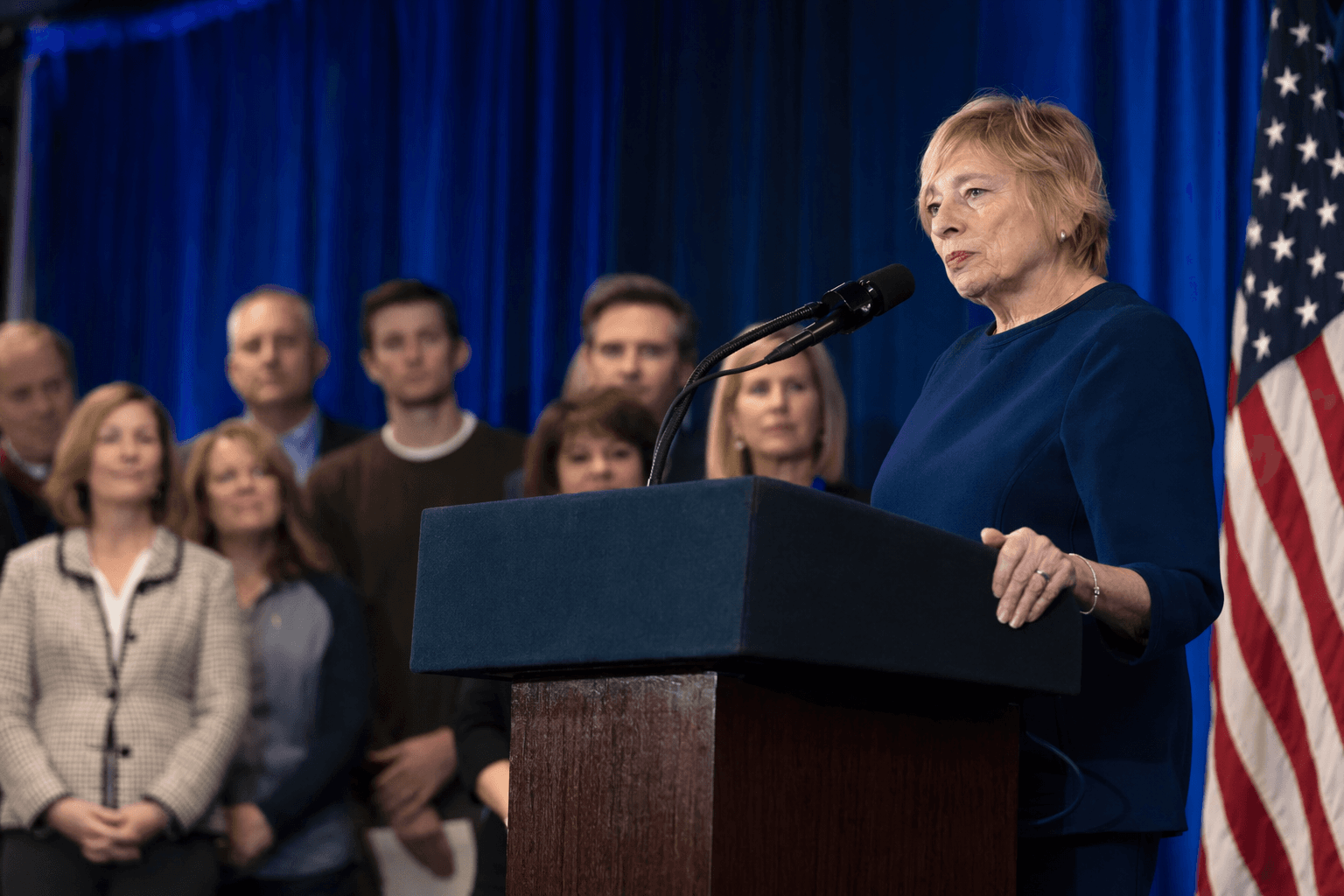
Janet Mills’ defiant White House confrontation with Donald Trump did not save her Senate campaign. The governor who told Trump, “We’ll see you in court,” after their Feb. 21, 2025 clash over transgender athletes, struggled to turn that moment into durable support in Maine’s Democratic primary.
Mills launched her Senate bid in October 2025, betting that her record as Maine’s first female governor and her reputation as a blunt Trump antagonist would make her the party’s strongest challenger to Susan Collins. Instead, the race increasingly favored Graham Platner, an oyster farmer and military veteran who offered Democrats a different kind of appeal: less Washington combat, more fresh biography and local texture. An Emerson College Polling survey showed Platner ahead 55% to 28%, with 13% undecided. A later poll from the Maine People’s Resource Center widened that gap to 61% to 28%.

Mills announced on April 30, 2026, that she was dropping out, saying she lacked the financial resources to continue. Her exit underscored a basic political problem for Democrats searching for an anti-Trump formula: confrontation can dominate cable news and party rhetoric, but it does not automatically translate into primary votes. In this case, the state’s most visible Democrat was unable to convert a nationally recognizable fight into the kind of enthusiasm, money and loyalty needed to survive a costly Senate primary.
That vulnerability mattered because Maine’s Senate contest is one of Democrats’ best chances to flip a seat and could help decide control of the U.S. Senate. Collins, first elected in 1997, is seeking a sixth term in a race scheduled for Nov. 3, 2026, with the Democratic primary set for June 9, 2026. The stakes are already enormous: Maine’s 2020 Senate race set a state spending record of about $200 million, a reminder that this contest is likely to draw heavy national money and attention again.

Polling had also hinted that Mills’ strengths as a governor did not fully protect her politically. A University of New Hampshire survey found that a majority of Mainers approved of her performance, but nearly half disapproved. Another poll after the Trump confrontation showed her disapproval near a record high, suggesting that even a memorable public fight with the president could not overcome deeper doubts. With Mills out, Platner became the likely Democratic nominee, and the party’s gamble shifted from a seasoned statewide executive to a newer insurgent whose appeal had proved stronger with primary voters.
This article was produced by Prism’s automated news system from verified source data, official records, and press releases, then run through automated quality and moderation checks before publishing. The system is built and supervised by the people who set the standards it runs under. Read our full AI policy.
Did this article answer your question?

