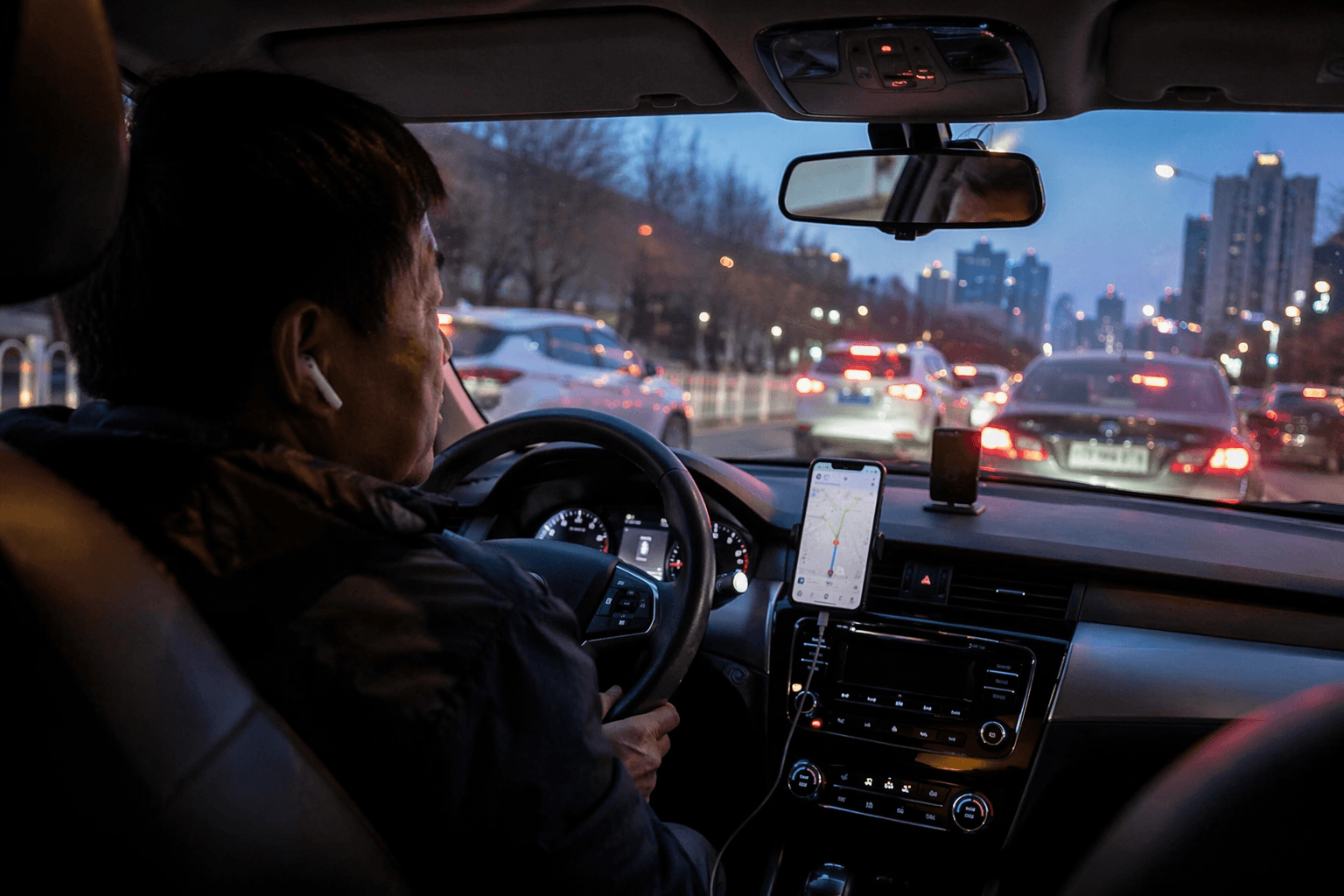
Japan Accelerates Physical AI Deployment to Combat Persistent Labor Shortages
Japan targets 30% of the global physical AI market by 2040 as FANUC and NVIDIA roll out robots that respond to voice commands on factory floors.
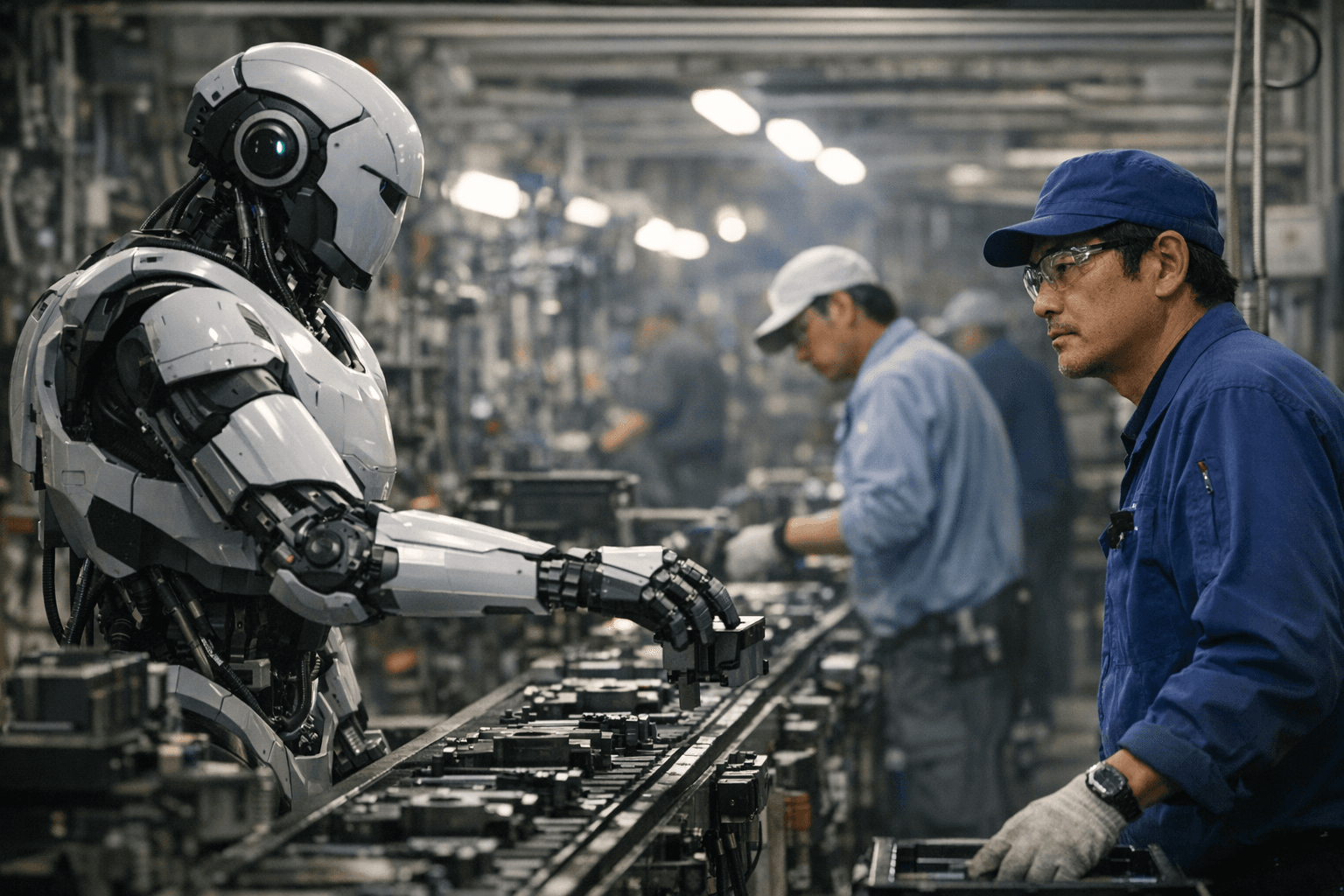
Japan's push to industrialize physical AI shifted into a new gear in early 2026, moving a technology once confined to lab demonstrations directly onto factory floors, loading docks, and care facilities. The urgency is demographic: with nearly a third of the population projected to be over 65 by 2042 and a working-age population that has been declining since 1995, the country faces a potential shortfall of 11 million workers by 2040.
Japan's Ministry of Economy, Trade and Industry announced in March 2026 that it aims to build a domestic physical AI sector and capture a 30% share of the global market by 2040. The ambition is rooted in existing industrial dominance: Japanese manufacturers already account for about 70% of the global industrial robotics market, according to the ministry's own data from 2022.
The most concrete expression of that strategy arrived on March 16, when FANUC, the world's leading supplier of industrial robots and factory automation systems, announced a collaboration with NVIDIA to advance physical AI, described as a new paradigm that merges artificial intelligence with physical robotics to enable machines that see, reason, and act in dynamic environments. Under the partnership, FANUC is applying NVIDIA AI to enable robots to interpret voice commands and automatically generate Python code, allowing operators to give verbal instructions, reduce setup time, and empower more employees to adjust processes without specialized programming skills. FANUC controls nearly 20% of the global industrial robot market and has shipped more than one million units to date.
"Physical AI is the next frontier in industrial automation," said Mike Cicco, President and CEO of FANUC America. "By collaborating with NVIDIA, we're equipping manufacturers with the tools necessary to implement intelligent robotics swiftly and harmonize virtual designs with tangible production needs." Murali Gopalakrishna, NVIDIA's general manager of robotics, framed the partnership explicitly around workforce pressure: "Manufacturers are looking for ways to blend virtual simulations with actual production processes to tackle labor shortages and boost operational efficiency."
The labor crisis is sharpest in sectors with high physical demands. According to the Bank of Japan's Tankan survey for June 2025, Japanese companies are most likely to report labor shortages in construction and accommodation and food services. Japan also projects a shortage of 570,000 care workers by 2040, with nursing positions drawing only one applicant for every 4.25 openings.
Japan's government has committed significant public capital to match. Tokyo budgeted ¥387.3 billion specifically for the development of domestic AI foundation models, data infrastructure, and physical AI, where artificial intelligence controls robots and machinery. That allocation sits within a broader ¥1.23 trillion package earmarked for AI and semiconductor development in fiscal year 2026.
Five of the world's ten largest industrial robot manufacturers are Japanese, including FANUC, Yaskawa, Kawasaki, and Nachi-Fujikoshi. Japan currently has 450,500 industrial robots operating in its factories, more robots per worker than almost any other nation on Earth. The Japan physical AI market, valued at approximately $307 million in 2025, is projected to reach $6.76 billion by 2035, according to industry analysis.
Where other economies debate whether AI will displace workers, Japan's calculation is different. The OECD has noted that AI-induced job loss may be less common in Japan than in other countries, precisely because of its unique long-term employment practices and chronic labor shortages driven by demographic change. For policymakers in Tokyo, the goal is not replacement but continuation: keeping critical industries functional as the population of available workers continues to contract.
This article was produced by Prism’s automated news system from verified source data, official records, and press releases, then run through automated quality and moderation checks before publishing. The system is built and supervised by the people who set the standards it runs under. Read our full AI policy.
Did this article answer your question?