Japan, Australia deepen defense, energy and mineral ties amid global instability
Japan and Australia signed four deals in Canberra, including up to A$1.3 billion for critical minerals, as they brace for supply-chain shocks and security risk.
Japan and Australia tightened their strategic partnership in Canberra on Monday, signing four agreements that link defense, energy security and critical minerals into a single response to global instability. The package came as Prime Minister Sanae Takaichi made her first official visit to Australia since taking office and met Prime Minister Anthony Albanese during a trip both governments cast as a step up from routine diplomacy.
The timing carried weight. Canberra and Tokyo are marking 50 years since the 1976 Basic Treaty of Friendship and Cooperation, but the new agreements were aimed less at ceremony than at resilience. The two governments signed a Joint Statement on Critical Minerals Cooperation, a Joint Statement on Enhanced Defence and Security Cooperation and a Japan-Australia Joint Declaration on Economic Security Cooperation, alongside a separate energy-related agreement. Together, they reflected a shared effort to reduce exposure to supply-chain disruptions, geopolitical shocks and the kind of trade pressure that can quickly unsettle advanced economies.
Critical minerals sat at the center of the deal. Australia said the new statement makes those minerals a core pillar of the bilateral economic and national security relationship and will drive coordinated investment in strategic projects. Through the Critical Minerals Facility and Export Finance Australia, Canberra said it is providing support of up to A$1.3 billion for projects with Japanese involvement, including potential supply chains for gallium, nickel, graphite, rare earths and fluorite. The agreement also identified six rare earths strategic projects intended to diversify supply chains, an unmistakable signal that both countries want more dependable access to materials that power batteries, advanced manufacturing and other high-tech industries.
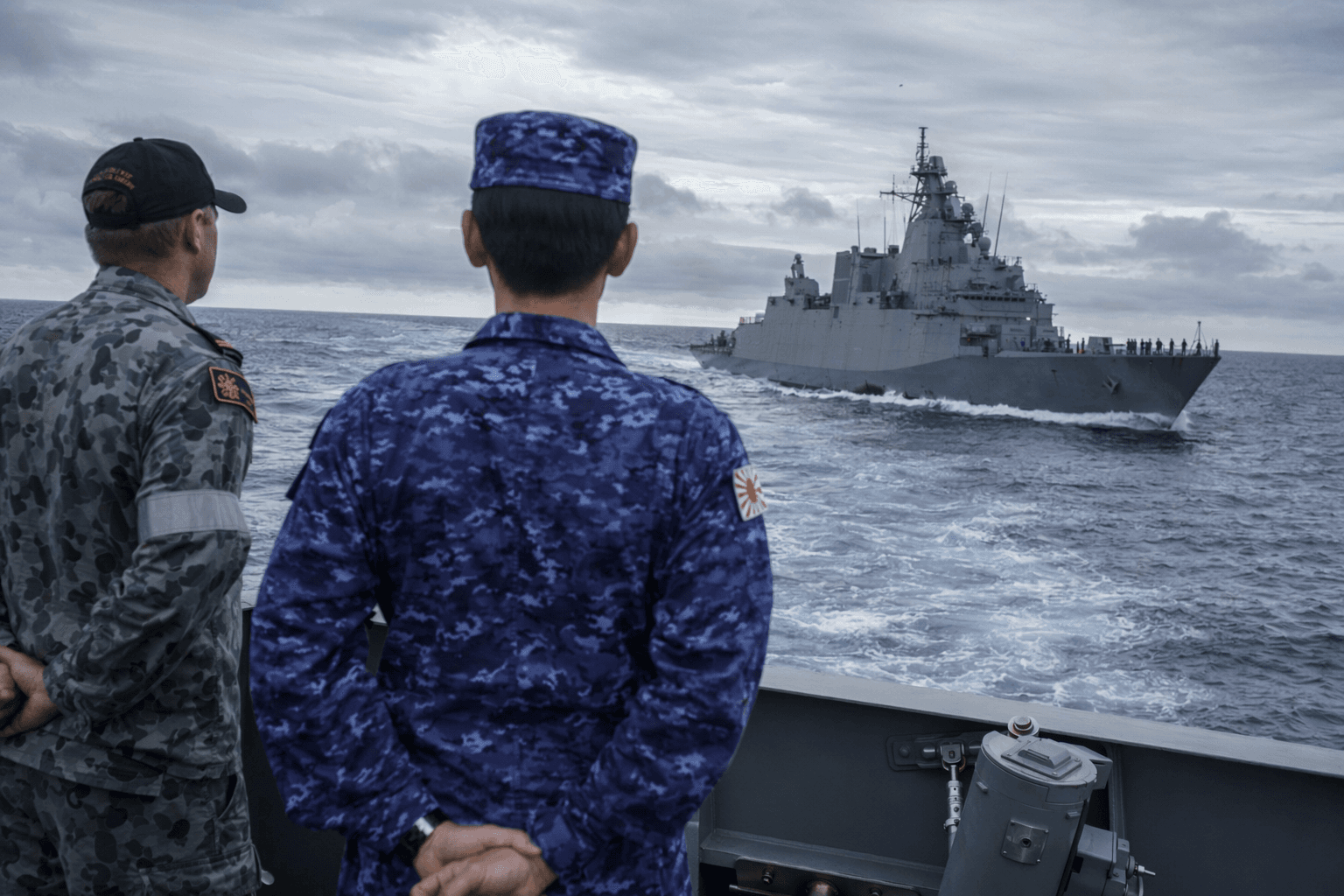
Defense cooperation was expanded on a foundation built through the 2022 Australia-Japan Joint Declaration on Security Cooperation, the 2023 Reciprocal Access Agreement and the Framework for Strategic Defence Cooperation established in December 2025. The new agenda covers information sharing, co-development, co-production, co-sustainment, advanced weapons testing, training, exercises, joint maintenance and the protection of critical maritime routes. The leaders also agreed to share information and consult on economic contingencies, including geopolitical tensions, economic coercion and major market disruptions, and to consider a joint response if their economic security is threatened.
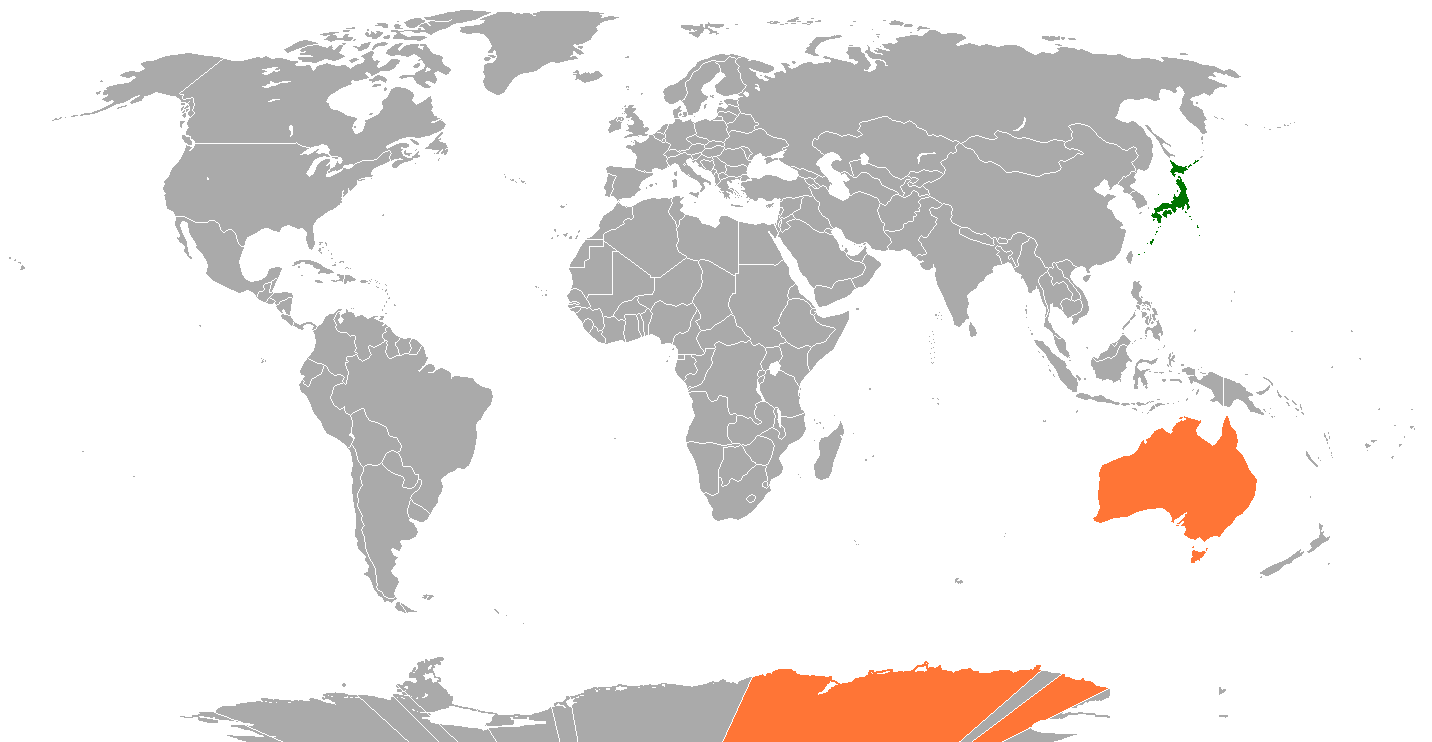
The result is a clearer middle-power strategy in an increasingly uncertain Indo-Pacific. Japan wants more resilient supply chains and stronger security coordination. Australia wants investment, industrial cooperation and a firmer role in the region’s strategic architecture. In Canberra, both governments treated minerals policy, energy security and defense planning as one agenda, not three separate ones, and that shift may prove as important as the handshake itself.
This article was produced by Prism’s automated news system from verified source data, official records, and press releases, then run through automated quality and moderation checks before publishing. The system is built and supervised by the people who set the standards it runs under. Read our full AI policy.
Did this article answer your question?