Japan battles third-largest wildfire, forcing thousands to flee Iwate Prefecture
More than 3,000 people fled Otsuchi as Japan’s third-largest wildfire spread through Iwate Prefecture, with no rain forecast and memories of 2011 deepening the shock.
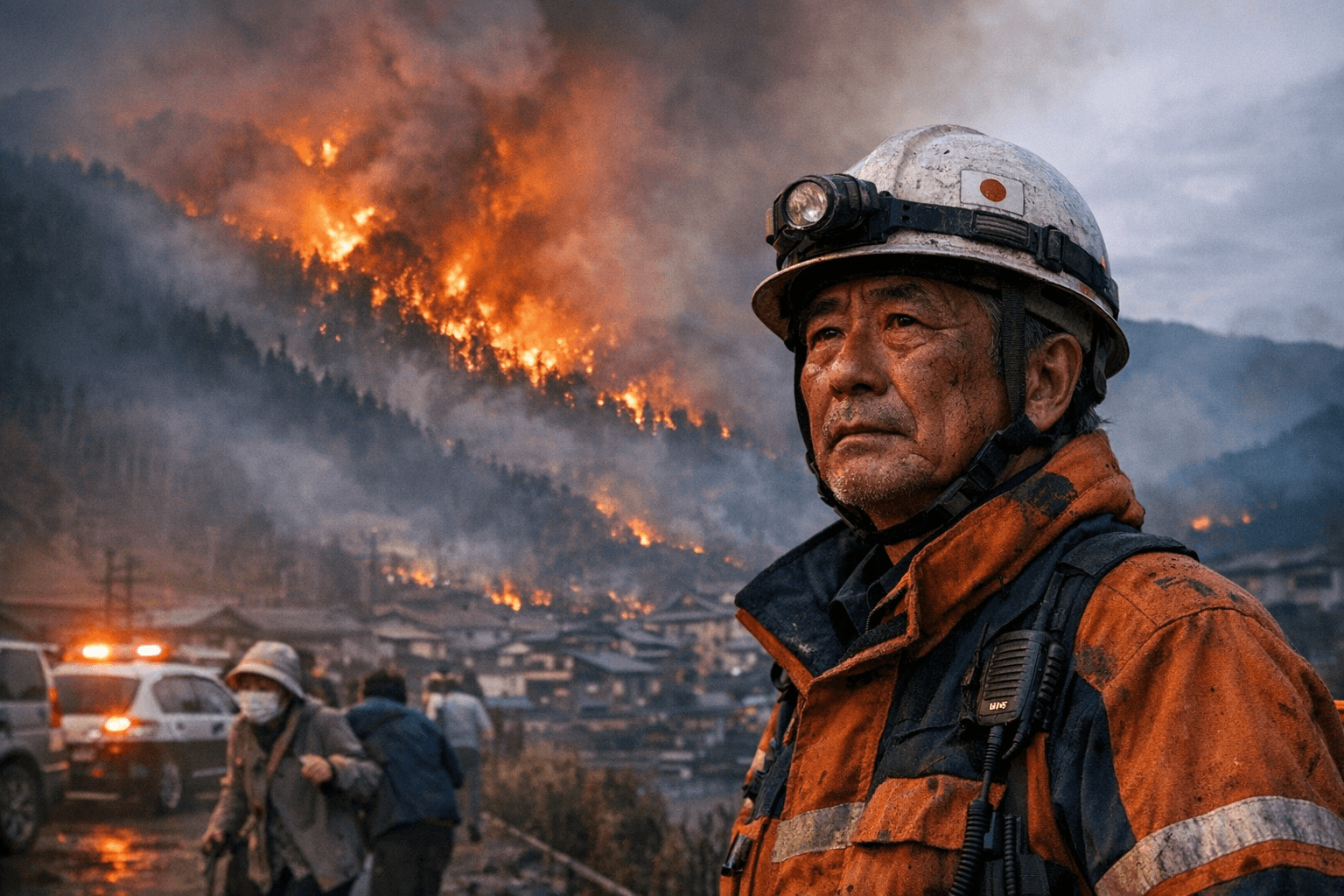
More than 1,400 firefighters, backed by dozens of Japan Self-Defense Forces personnel and helicopters, spent a fifth day trying to contain a wildfire in Iwate Prefecture that had already forced 3,233 people from 1,541 households to evacuate around Otsuchi. About 730 hectares, or 1,800 acres, had burned, making the blaze Japan’s third-largest wildfire on record and putting fresh pressure on a country that has traditionally seen far fewer large fires than earthquakes, typhoons or floods.
The emergency stretched across steep ground and dry hillsides as wind and parched weather slowed containment. Eight buildings, including one residence, had burned, while the Japan Meteorological Agency forecast no rain over the coming week, raising the risk that crews would face an extended battle. Japan’s Fire and Disaster Management Agency said the only casualty so far was a minor injury at an evacuation center, but officials were still working to keep the fire away from homes and critical road access.
In Otsuchi, the fire cut into a town already marked by disaster. The coastal community was devastated by the March 2011 earthquake and tsunami, which killed many residents and destroyed homes, and it lost nearly a tenth of its population in that catastrophe. Mayor Kozo Hirano said, “I can’t let people lose their homes again after losing them once to the tsunami,” capturing how the blaze has become more than a weather emergency for residents watching flames climb toward neighborhoods they had already rebuilt.
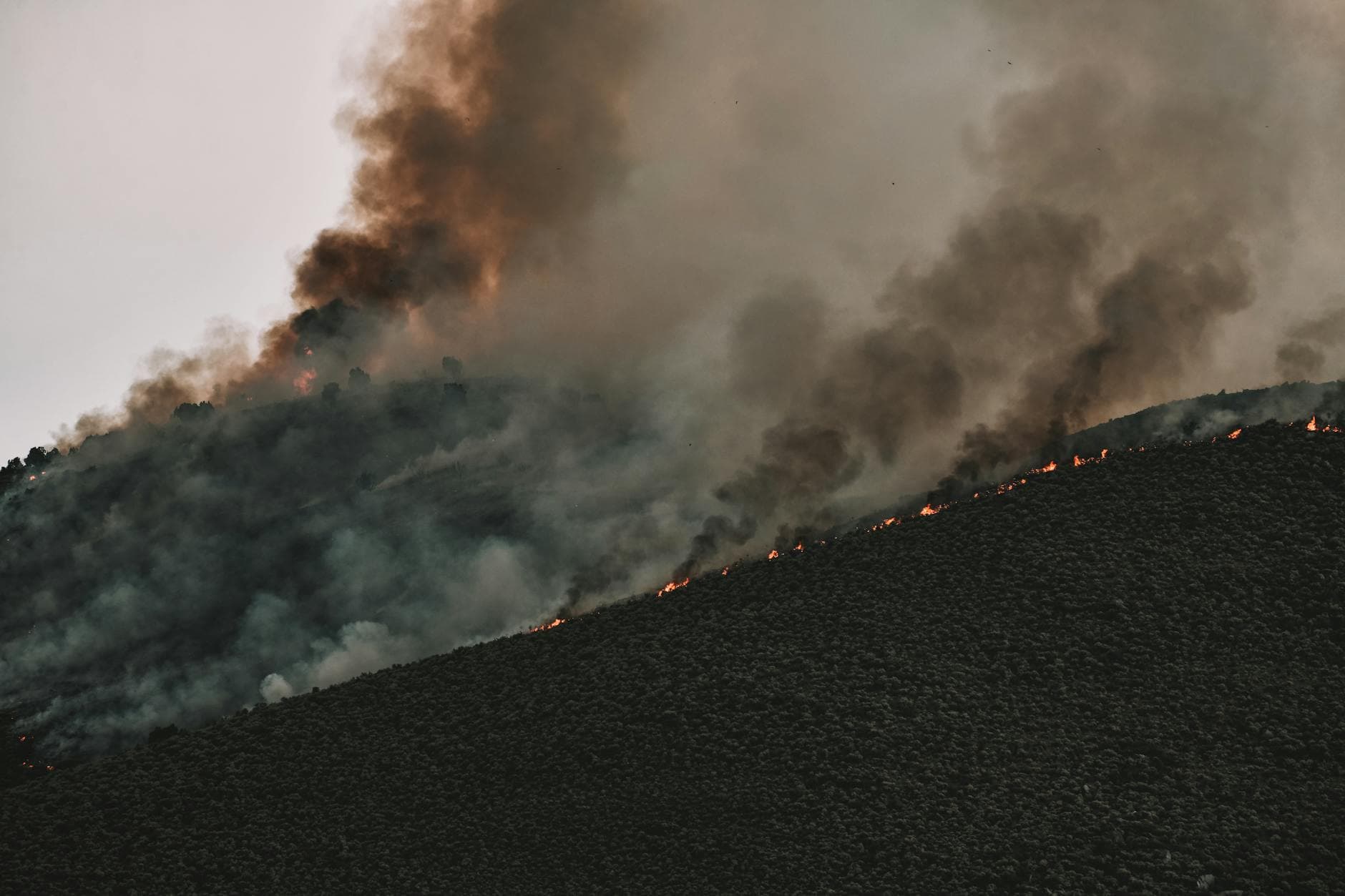
Some evacuees described the night with the kind of detail that turns a statistic into a lived fear. Yoshinori Komatsu watched Self-Defense Force helicopters dump water over the fire and said, “A fire burns everything down. With a tsunami, you might have something left after the destruction.” Taeko Kajiki, 76, said the area did not burn during the 2011 tsunami disaster, underscoring how unusual and alarming the current fire has been for people who believed the town had already survived its worst test.
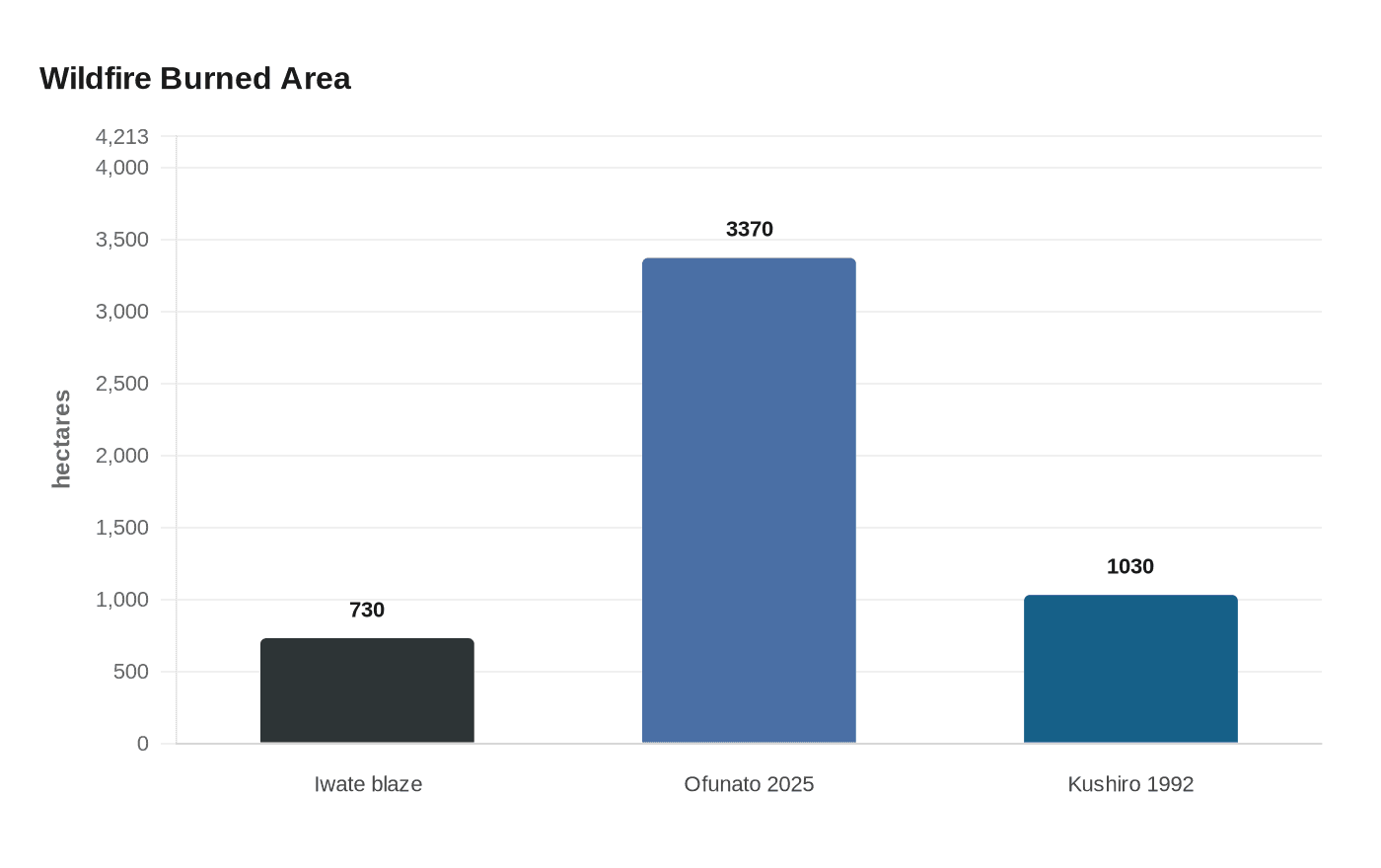
The scale of the blaze also points to a broader shift in Japan’s disaster profile. Hotter, drier springs are making wildfire risk more severe, and fires in places not usually associated with major wildfire crises are becoming a sharper part of the country’s climate adaptation challenge. With the burned area now trailing only the 2025 Ofunato fire, at about 3,370 hectares, and the 1992 Kushiro fire, at 1,030 hectares, the Iwate blaze has become a warning about how quickly preparedness standards must evolve as the fire season becomes less predictable.
This article was produced by Prism’s automated news system from verified source data, official records, and press releases, then run through automated quality and moderation checks before publishing. The system is built and supervised by the people who set the standards it runs under. Read our full AI policy.
Did this article answer your question?


