Japan eases defence export rules, opens way for overseas arms sales
Japan loosened its postwar arms-export limits, clearing the way for warships and missiles to reach overseas buyers as Tokyo seeks a bigger security role.
Japan took its boldest step yet away from postwar export restraint on Tuesday, April 21, 2026, rewriting the rules that have long kept its weapons industry largely at home and opening the way for overseas sales of warships, missiles and other military equipment. The move marks a sharp turn for a country whose security policy has been shaped for decades by pacifist limits, and it gives Tokyo a more direct role in the regional arms market.
The government revised the implementation guidelines for the Three Principles on Transfer of Defense Equipment and Technology, the framework that has governed Japanese arms exports since April 1, 2014. Under the Ministry of Foreign Affairs rules, transfers must not violate United Nations Security Council obligations, must contribute to peace and Japan’s security, and must be subject to strict controls on end use and third-party transfer. By loosening those guidelines, Tokyo has created the clearest path yet for Japanese defense firms to compete abroad.
Prime Minister Sanae Takaichi’s ruling party approved the changes earlier in the week, underscoring that the shift is political as well as industrial. Japan is trying to strengthen its defense manufacturing base while deepening security ties across Asia, at a time when China’s military rise, the war in Ukraine and the war in the Middle East are straining global supply chains and pushing demand for alternative suppliers. Those conflicts are also stretching U.S. weapons production, opening more space for Japan to supply partners that want faster delivery and higher-end hardware.
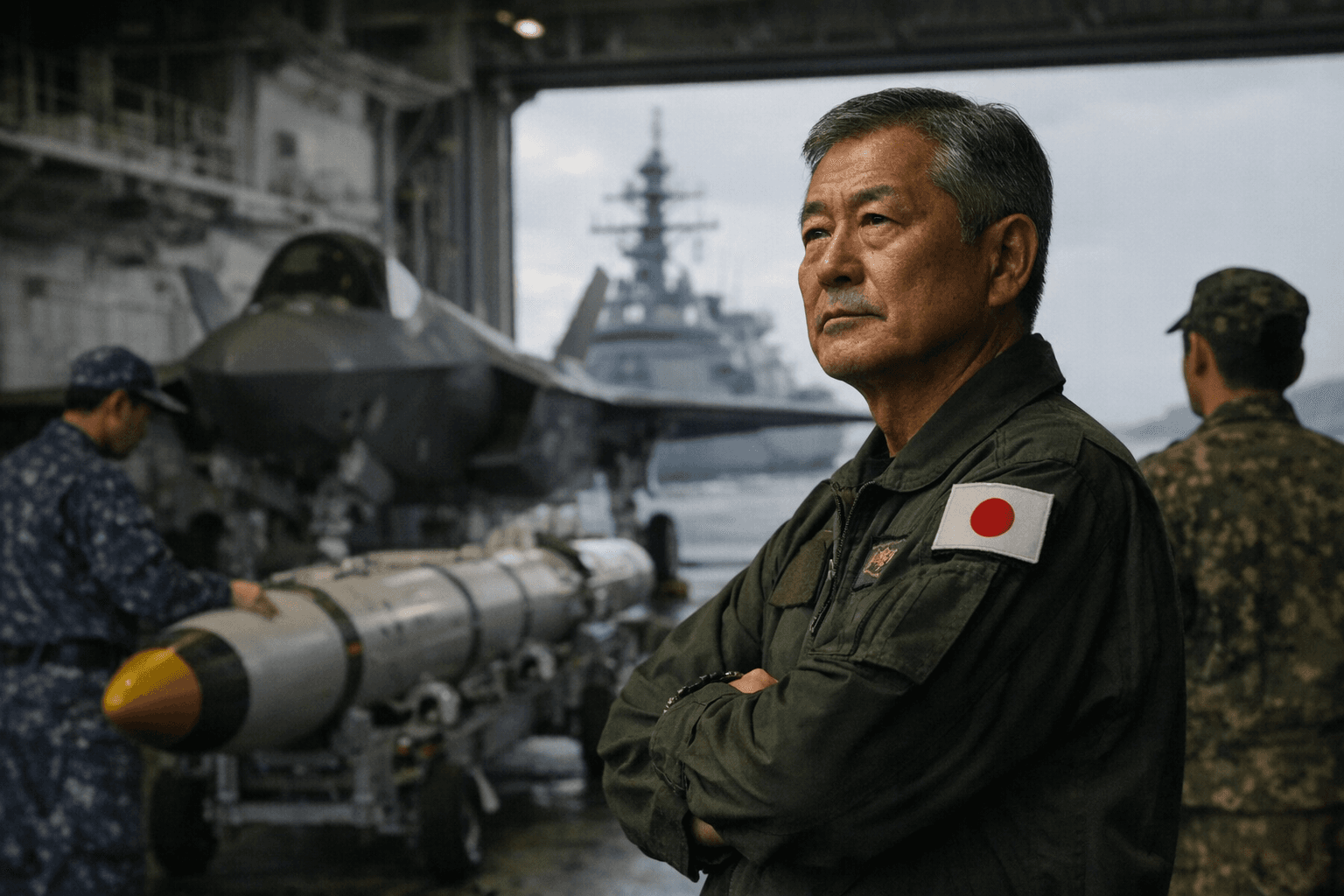
The Philippines is among the first countries likely to benefit. Japanese officials and industry sources have pointed to warships for Manila as one of the earliest possible exports, and Philippine officials welcomed the easing as a way to improve access to high-quality military equipment and reinforce regional security. China objected to the change, with state-linked commentary warning that the shift could fuel remilitarization concerns.
The wider significance reaches beyond East Asia. Allies from Warsaw to Manila had already shown interest before the formal decision, reflecting growing anxiety over whether Washington can remain the dependable arsenal for friends facing sharper threats. As President Donald Trump casts uncertainty over long-term security commitments, Japan’s export-rule rewrite looks like both an industrial policy and a strategic hedge. It gives Tokyo a larger role in the Indo-Pacific balance of power, and signals that Japan is prepared to act less like a constrained buyer of security and more like a supplier of it.
This article was produced by Prism’s automated news system from verified source data, official records, and press releases, then run through automated quality and moderation checks before publishing. The system is built and supervised by the people who set the standards it runs under. Read our full AI policy.
Did this article answer your question?


