Japan eases weapons export rules, opening possible arms path for Ukraine
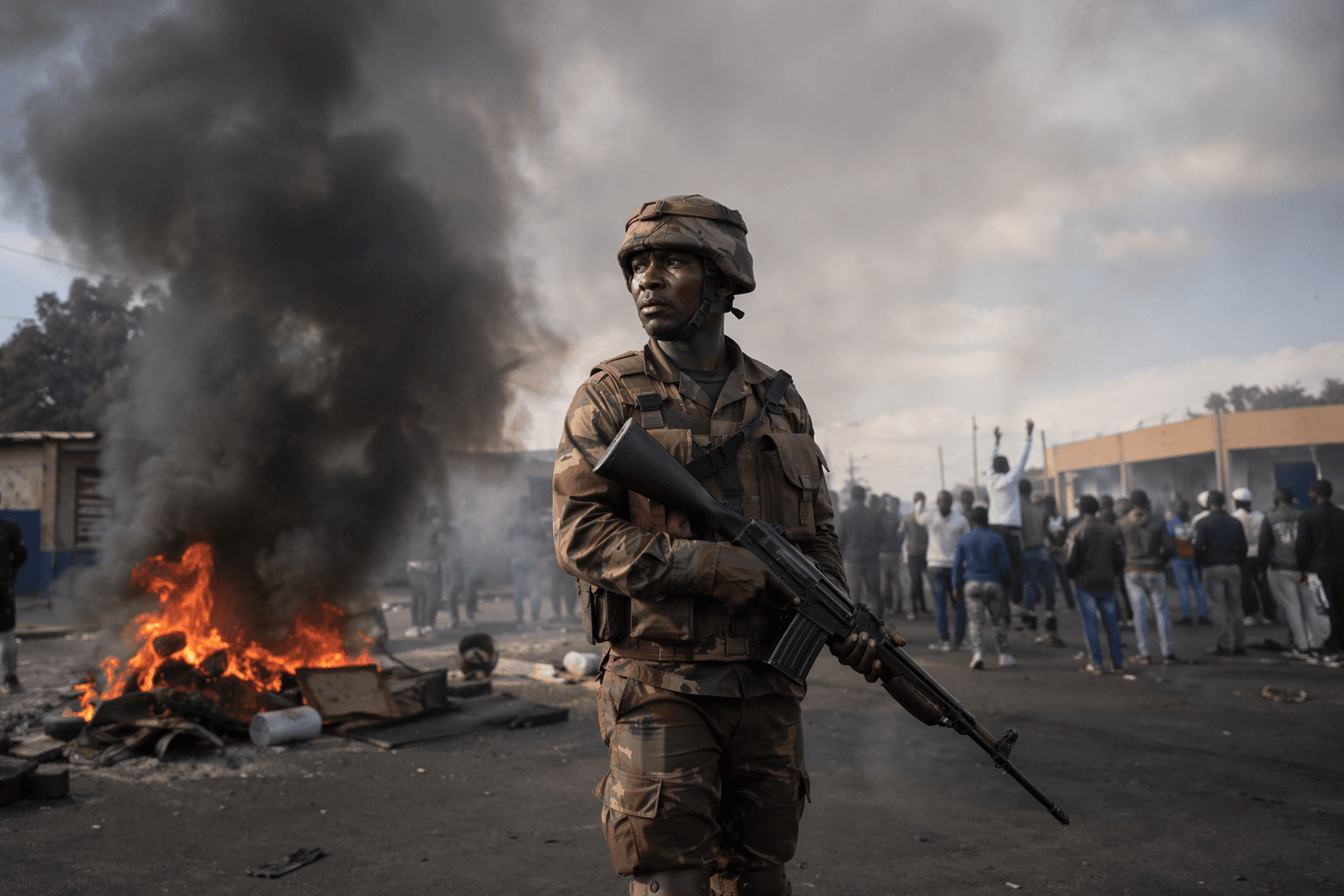
Japan’s revised export rules now leave room for warships, missiles and other weapons to be discussed for Ukraine. The shift marks a rare break from postwar restraint.
Japan has opened a new diplomatic lane toward Ukraine by loosening its weapons-export rules, a move that does not guarantee any delivery but changes what Tokyo can legally discuss. The revised policy, adopted on April 21, 2026, marks the biggest overhaul of Japan’s defense-export framework in decades and signals a quieter but meaningful departure from the country’s postwar limits on military sales.
For years, Japan’s 2014 export framework kept lethal weapons largely off the table, allowing transfers only in five narrow categories: rescue, transport, warning, surveillance and minesweeping. The new rules keep the basic prohibition on transfers to countries party to a conflict, but they also create exceptions when Tokyo judges that a transfer serves Japan’s security interests or supports peace and international cooperation. That change matters because it gives Japanese officials far more room to consider military equipment that was previously out of reach.
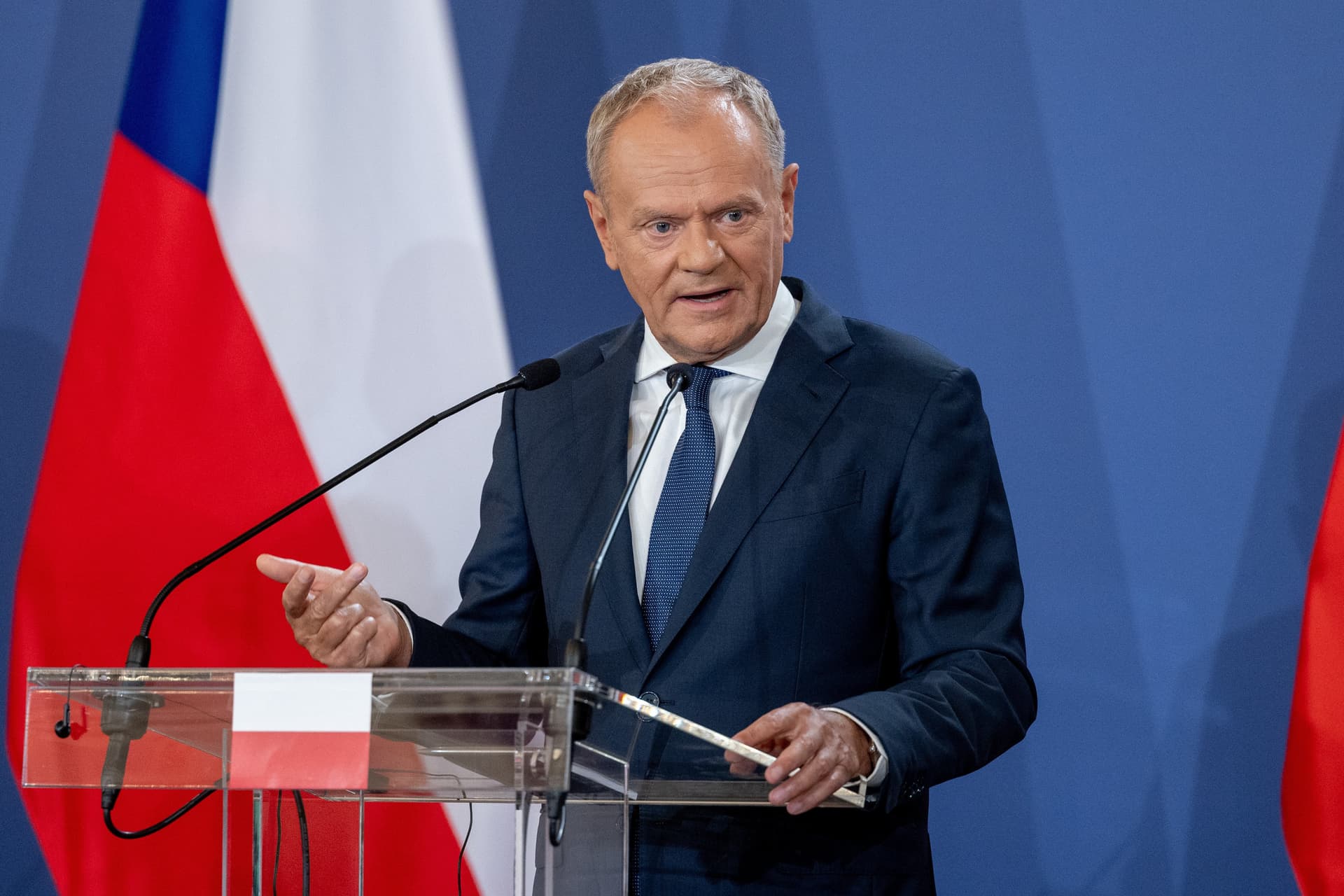
Ukraine’s ambassador to Japan, Yurii Lutovinov, said the shift allows the two governments to hold conversations that could eventually lead to Japanese military equipment helping Kyiv resist Russia’s invasion. He described the policy change as a major step forward, while also acknowledging that the practical path remains unclear. He made those remarks in an interview at Ukraine’s embassy in Tokyo on April 28.
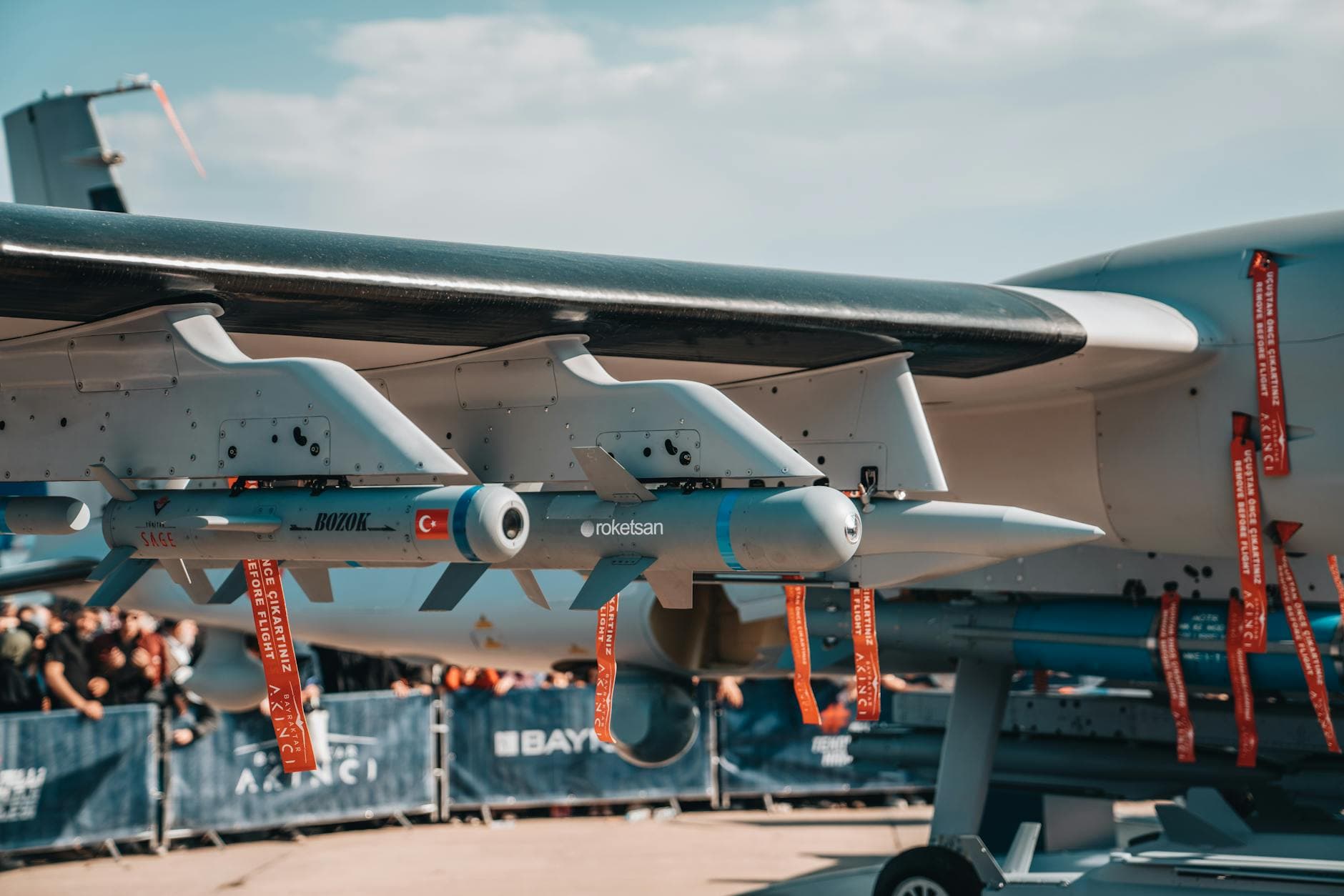
What Ukraine could realistically seek is broader than the old nonlethal categories. The new framework opens the way, in principle, for exports of warships, missiles and other weapons, although every transfer would still face strict review and end-use controls. Japanese officials have framed the overhaul as a way to strengthen the country’s defense industrial base as well as respond to a harsher security environment.
The timing also reflects wider strain across allied arsenals. Wars in Ukraine and the Middle East have stretched U.S. and allied arms supplies, pushing Kyiv to look for new partners and new production channels. Lutovinov has argued that Ukraine is interested not only in weapons, but also in investment and cooperation around missile defense and related systems that could help blunt Russian attacks.
The policy shift fits into a broader change in Japan’s security thinking under Prime Minister Sanae Takaichi. Tokyo has increasingly linked its own defense to the regional balance of power, especially China’s military buildup and the risk that a Taiwan crisis could pull Japan into a wider confrontation. An analysis by the International Institute for Strategic Studies said the revision followed a proposal from the ruling coalition, including the Liberal Democratic Party and the Japan Innovation Party.
No shipment to Ukraine has been announced. But the symbolic weight is already clear: Japan is moving from a posture defined by restraint to one that is willing to use its arms-export rules as a tool of security diplomacy, and that could reshape how far Tokyo is prepared to go in support of Kyiv.
This article was produced by Prism’s automated news system from verified source data, official records, and press releases, then run through automated quality and moderation checks before publishing. The system is built and supervised by the people who set the standards it runs under. Read our full AI policy.
Did this article answer your question?