Japan lifts tsunami advisory after magnitude 6.7 quake near Aomori
An offshore earthquake strikes off Aomori Prefecture on Dec. 12, prompting a tsunami advisory that is later lifted as only small surges are recorded. The brief alert underscores continuing public sensitivity to seismic risks along Japan’s northeast coast and the need for vigilance against aftershocks.
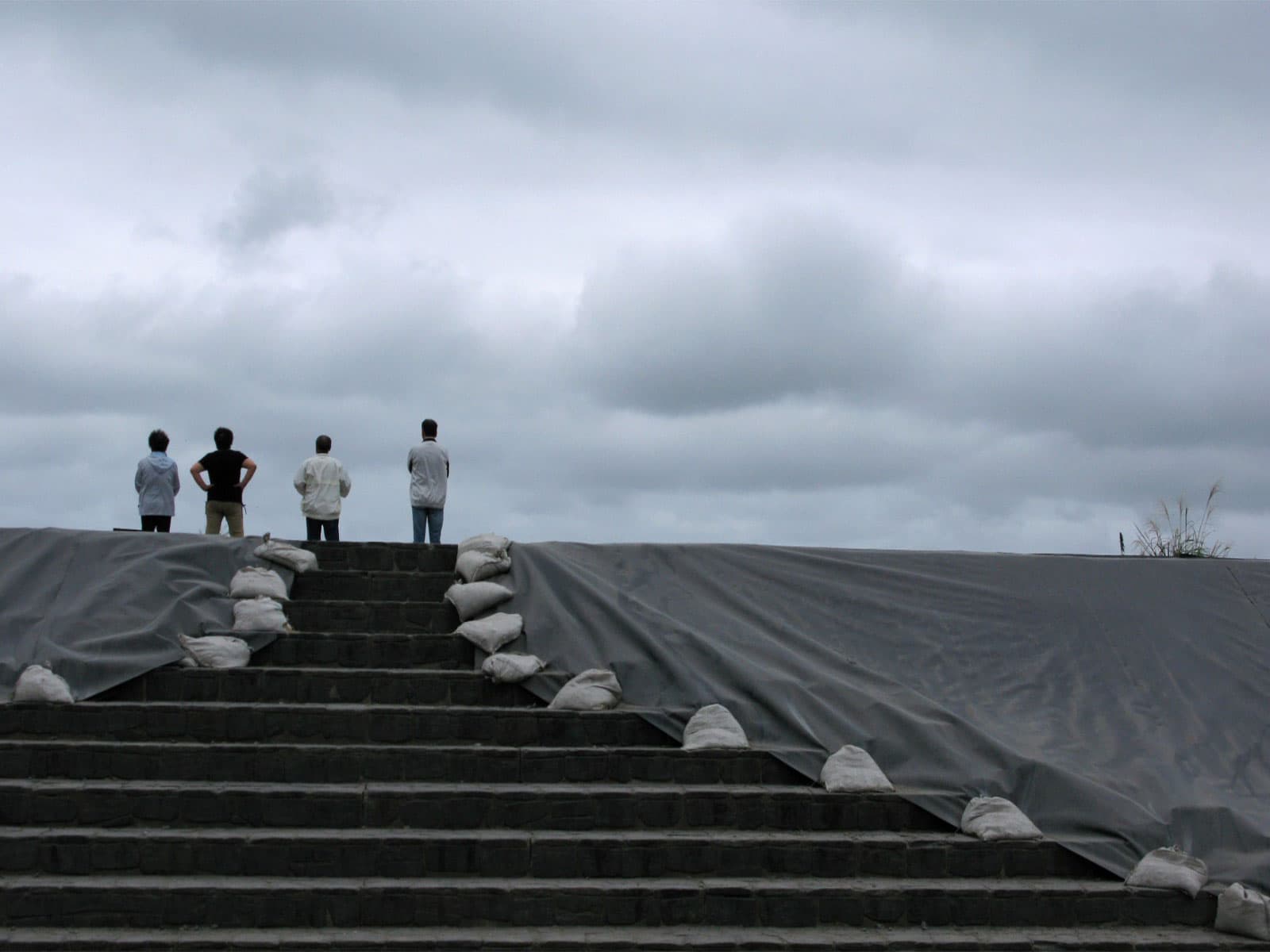
An offshore earthquake strikes off the coast of Aomori Prefecture at about 11:44 a.m. Japan Standard Time on Dec. 12, prompting the Japan Meteorological Agency to issue a tsunami advisory for parts of northern Japan. The advisory covers stretches of the Pacific coast including Aomori, Iwate and Miyagi prefectures and parts of Hokkaido, and is later lifted the same day, with national broadcaster NHK and The Japan Times reporting the lift around 2 p.m. local time.
The JMA and the U.S. Geological Survey place the tremor at about magnitude 6.7, with some Japanese outlets citing a slightly higher reading near magnitude 6.9. The agency reports the quake’s hypocenter at roughly 20 kilometers depth. Seismic intensity reached shindo 4 in some locales on Japan’s 1 to 7 scale, a level strong enough to topple unsecured items and alarm residents but not typically associated with widespread structural collapse.
Under Japan’s standard protocol a tsunami advisory urges people to stay away from the sea and coastal areas while advising precaution rather than mandatory evacuation. The JMA warned that waves of up to 1 meter were possible in areas under advisory. Observed surges were largely small, with several shorelines in Hokkaido and Aomori recording waves of roughly 20 centimeters. More pronounced measurements were reported at Kuji port in Iwate prefecture where JMA figures cited by international outlets showed waves of about 0.6 to 0.7 meters.
Authorities report no immediate casualties directly tied to the Dec. 12 tremor. Media coverage places the advisory in the context of heightened public alert this week after a separate, larger earthquake earlier in the week injured dozens and caused temporary power outages in some communities. Those earlier figures do not appear to be directly linked to the noon quake. Emergency services and municipal offices caution that aftershocks remain possible and continue to urge residents to keep away from vulnerable coastal infrastructure while checking local advisories.

The brief alarm and its quick lifting reflect both the precision of Japan’s monitoring network and the layered approach to public warnings that distinguishes a tsunami advisory from a more urgent warning. The advisory system aims to balance timely caution with the need to avoid unnecessary mass evacuations, an important consideration in coastal regions where daily life and fishing livelihoods are closely tied to the sea.
Public sensitivity remains shaped by the memory of the 2011 magnitude 9.0 earthquake and tsunami that devastated large swaths of northeastern Honshu and left thousands dead or missing. Officials emphasize vigilance, verifying tide gauge readings and monitoring seismic activity through the evening. The JMA bulletin remains the authoritative source for any further changes in advisory status, and local governments continue to advise residents to follow municipal channels for safety instructions and updates.
This article was produced by Prism’s automated news system from verified source data, official records, and press releases, then run through automated quality and moderation checks before publishing. The system is built and supervised by the people who set the standards it runs under. Read our full AI policy.
Did this article answer your question?