Japan quake kills 34, heat and outages threaten evacuees
Heat and power cuts battered Kumamoto as the death toll from a magnitude 7.1 quake climbed to 34, with evacuees crowding shelters and facing heatstroke risk.

Heat and outages deepened the toll in Kumamoto Prefecture after a magnitude 7.1 earthquake killed 34 people and left thousands without electricity or water, turning the rescue effort into a race against both collapse and dehydration. The Japan Meteorological Agency said the quake produced maximum intensity 7 shaking in parts of Kumamoto, the strongest level on Japan’s seismic scale.
By July 29, Japan had recorded 169 tangible aftershocks in the Kumamoto area, including at least three that reached lower 5 and 11 that hit intensity 4. Emergency crews searched the collapsed Aeon Mall Kumamoto and a paper factory in Yatsushiro as the critical 72-hour window for finding survivors narrowed. The death toll rose to 25 on July 30 and then to 34 by July 31, with six people seriously injured and others still unaccounted for.
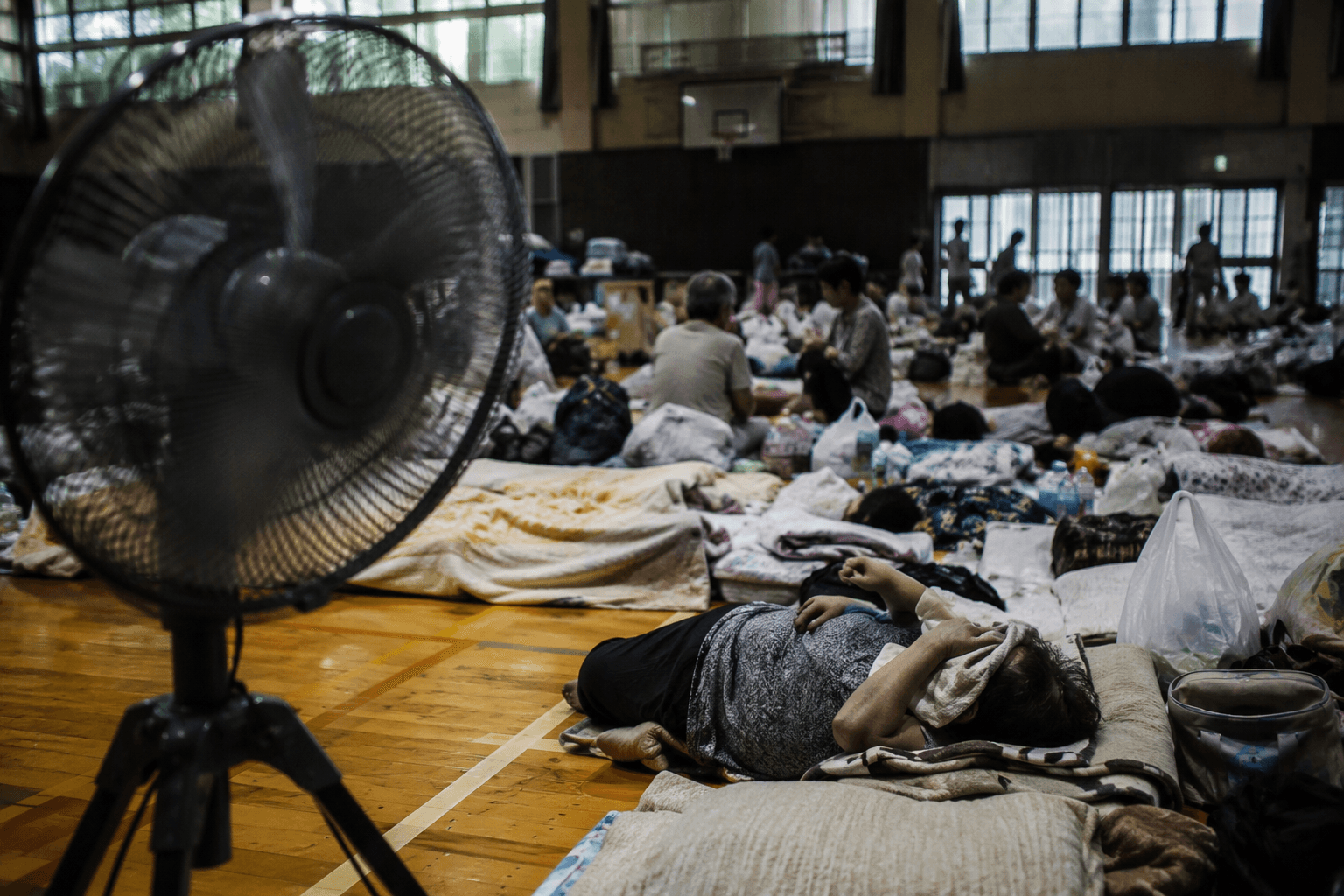
The quake also knocked out daily life across the prefecture. One report said about 34,900 homes were without electricity and 15,000 without water, forcing more than 8,800 residents into shelters at the height of the heat. Many evacuees slept in crowded school gyms or in cars because of the outages and sweltering conditions, while officials continued urging people to use air conditioning to avoid heatstroke as hospitalizations increased.
Temperatures in quake-hit Kumamoto were forecast at around 35 to 36 degrees Celsius, and weather officials warned outdoor cleanup crews, children and elderly residents to take extra care. Japan’s Self-Defense Forces airlifted air conditioners to shelters, with one report saying around 300 units were delivered alongside drinking water and other emergency supplies. The response underscored how a seismic emergency in Kyushu had become a compounded climate and infrastructure crisis, with damaged power lines and overwhelmed shelters exposing evacuees to a second threat after the shaking stopped.
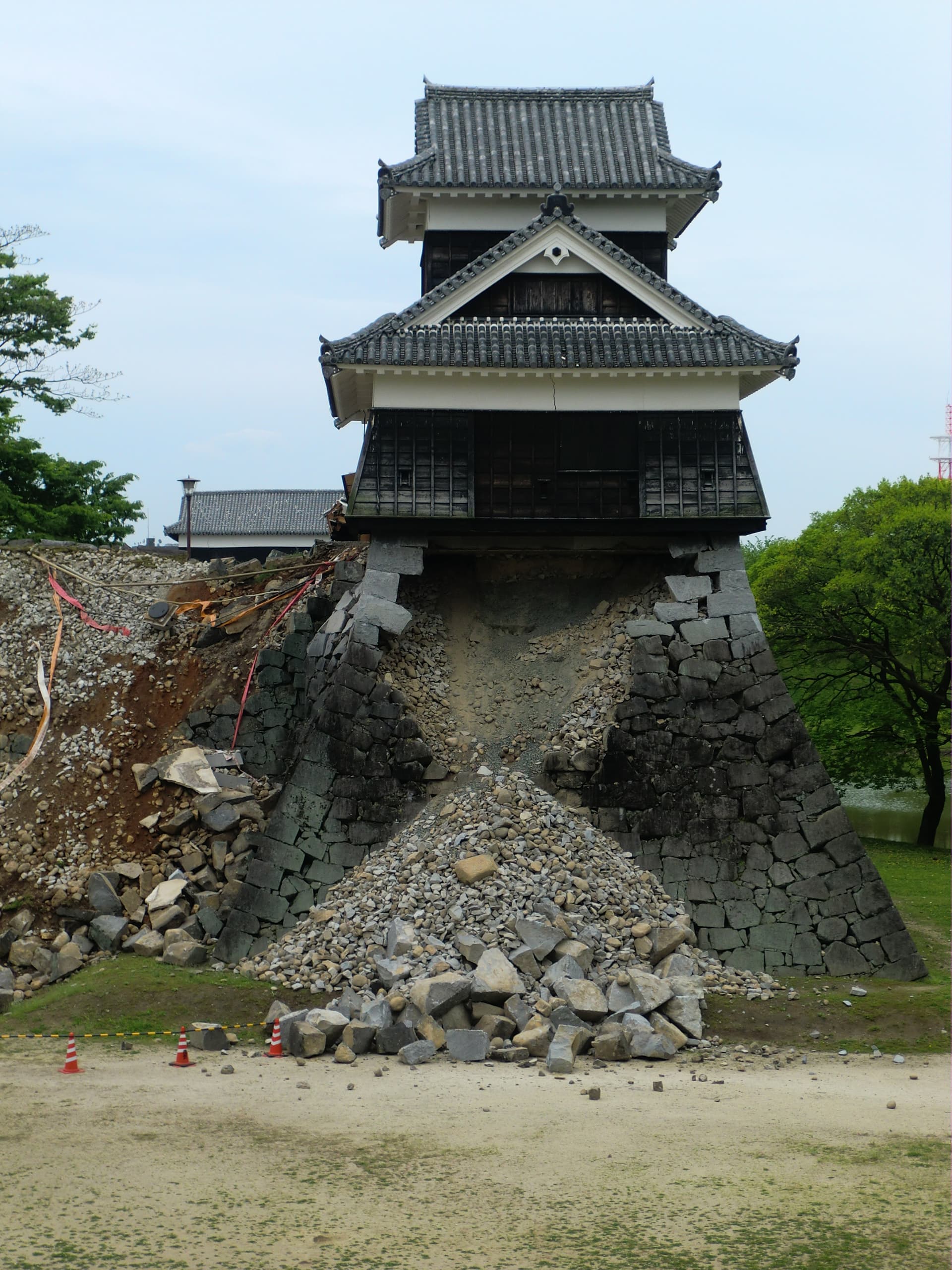
The disaster also revived memories of Kumamoto’s 2016 trauma, when a magnitude 6.5 quake struck on April 14 and a larger magnitude 7.3 quake followed 27 hours later, killing about 50 people and causing widespread damage across the prefecture. This time, the danger was not only the ground moving beneath Kumamoto, but the heat bearing down on survivors while the rescue effort was still under way.
This article was produced by Prism’s automated news system from verified source data, official records, and press releases, then run through automated quality and moderation checks before publishing. The system is built and supervised by the people who set the standards it runs under. Read our full AI policy.
Did this article answer your question?