Japan rejects China's neo-militarism claims at Singapore security forum
Japan used the Singapore security forum to reject China’s neo-militarism charge, as Shinjiro Koizumi warned that Beijing’s military expansion lacks transparency.
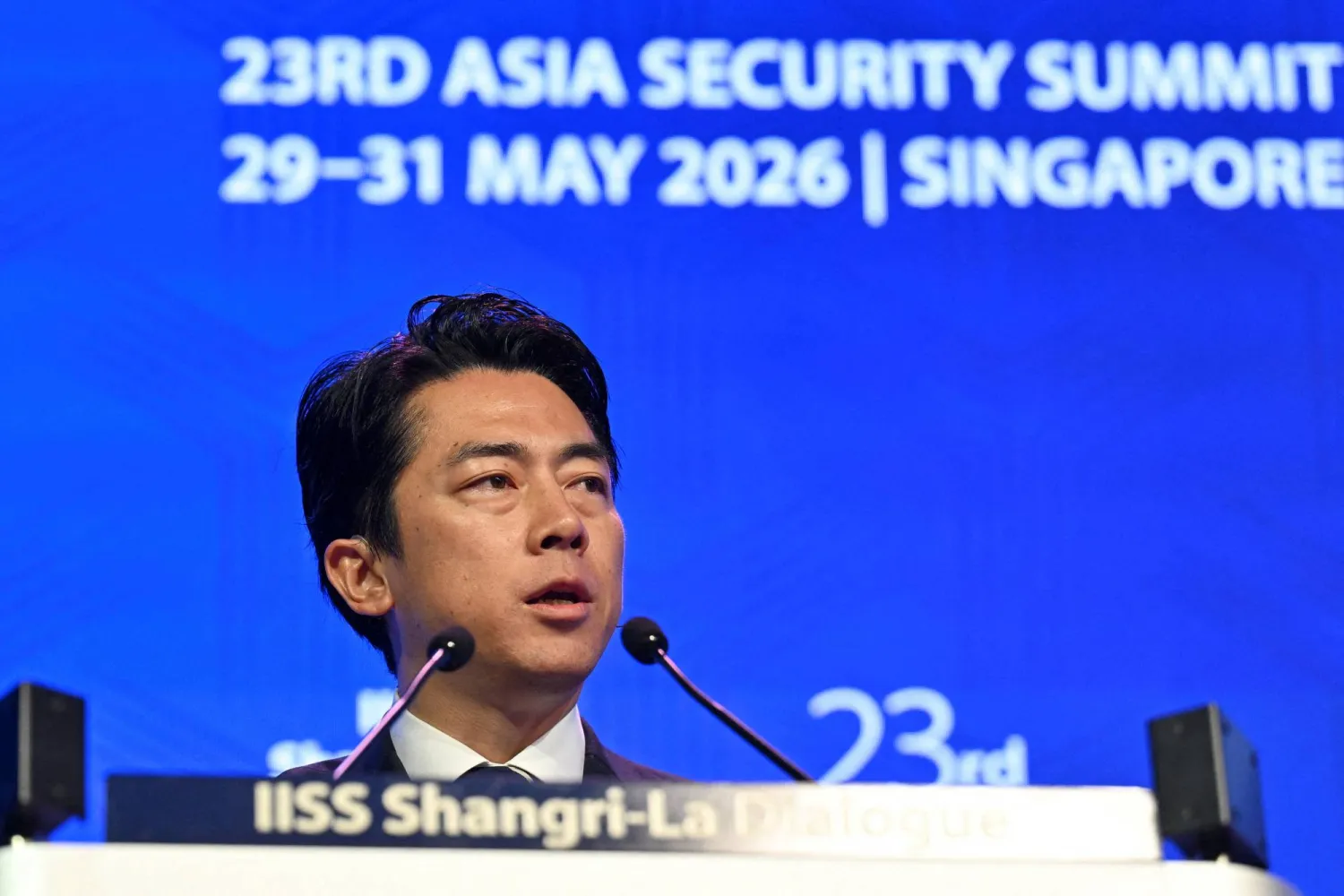
Japan’s defence minister, Shinjiro Koizumi, used the Shangri-La Dialogue in Singapore to push back against China’s accusations of “new militarism,” arguing that Tokyo wanted candid dialogue even as Beijing sharpened its criticism. The exchange exposed a broader regional contest over who is destabilizing Asia: Japan says it is building deterrence under pressure from China, while China portrays Japan’s security shift as a revival of wartime habits.
Koizumi criticized China for rapidly expanding its military with little transparency, a message designed to justify Japan’s tougher defense posture to Asian partners and to Washington. That argument comes at a moment when Japan is trying to frame its security policy as defensive and rules-based, not revisionist, and to show that its growing capabilities are aimed at preserving a free and open regional order rather than overturning it.
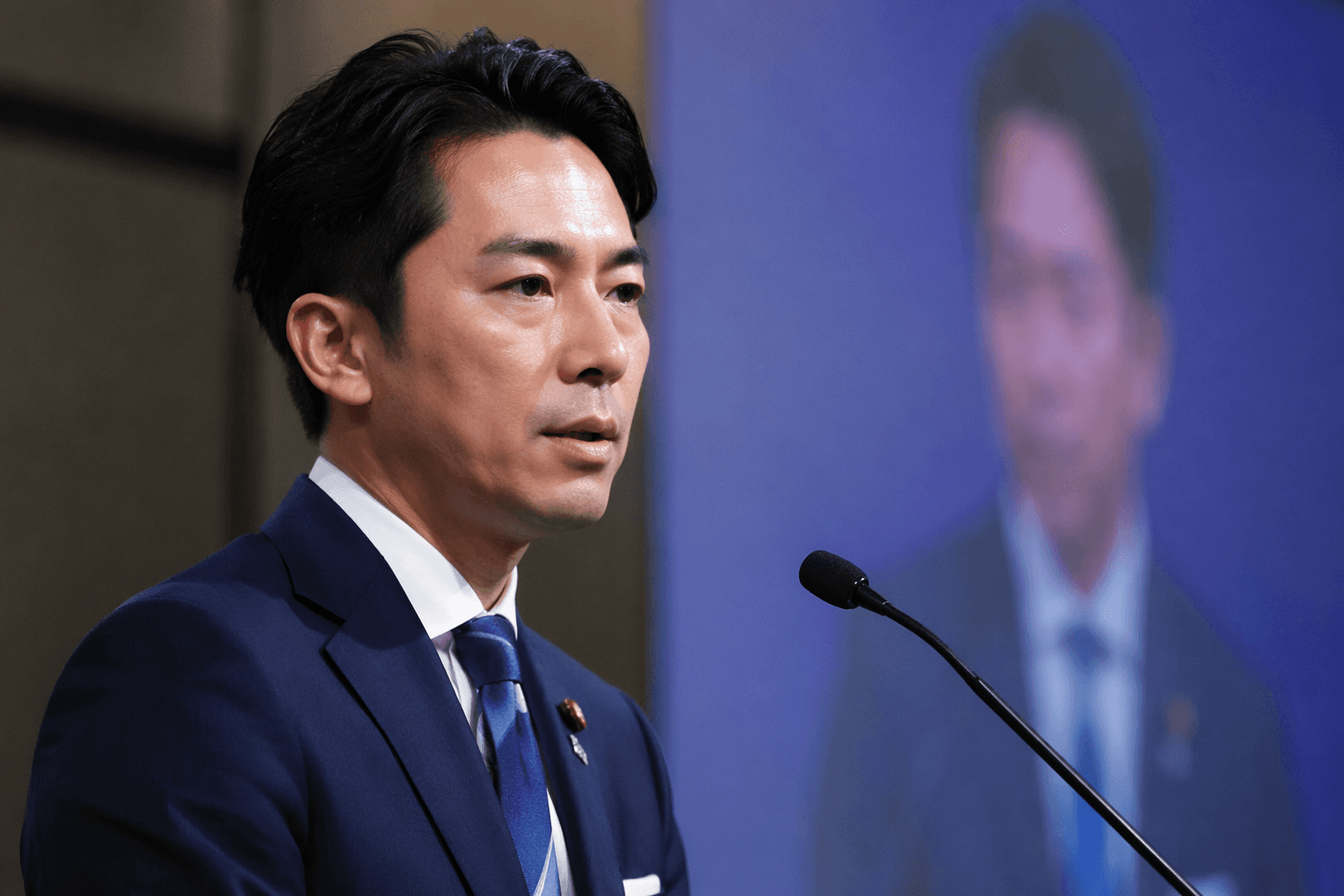
The dispute is tied directly to Japan’s 2022 security overhaul, when the Japanese cabinet approved a new National Security Strategy, National Defense Strategy and Defense Buildup Program on December 16, 2022. Those documents marked a major shift for a country long constrained by Article 9 of its postwar constitution, which has made any expansion in military capability politically sensitive at home and suspicious abroad.
Japan’s Ministry of Defense now describes China’s external posture and military activities as the “greatest strategic challenge” facing Japan. Its materials in April 2026 said China continued activities around the Senkaku Islands and in surrounding waters and airspace, and that Beijing was attempting to unilaterally change the status quo by force in the East China Sea area around Japan. Tokyo’s case is that the immediate threat is not Japanese rearmament but China’s persistent pressure in nearby seas and skies.

China, however, has turned that narrative on its head. On May 28, its defense ministry called on the international community to jointly contain Japan’s alleged “neo-militarism,” intensifying a dispute that is now being fought as much through messaging as through force posture. For the United States, the stakes are immediate: Japan’s role in Indo-Pacific deterrence shapes alliance planning, maritime stability and the credibility of regional security guarantees. Japan’s leaders are signaling that they want more capability, not less, because they believe China’s rise has made restraint a greater risk than deterrence.
This article was produced by Prism’s automated news system from verified source data, official records, and press releases, then run through automated quality and moderation checks before publishing. The system is built and supervised by the people who set the standards it runs under. Read our full AI policy.
Know something we missed? Have a correction or additional information?
Submit a Tip