Japan restart exposes radioactive-waste bottleneck at nuclear plant
Japan brought Unit 6 back at Kashiwazaki-Kariwa, but storage pools are nearing capacity and Tokyo still lacks a permanent answer for spent fuel.

Japan’s return to the world’s largest nuclear plant did more than add power to the grid. It exposed how little room the country has left for the radioactive waste that every reactor restart creates, sharpening a policy contradiction at the center of Tokyo’s nuclear strategy.
Tokyo Electric Power Company restarted Unit 6 at Kashiwazaki-Kariwa Nuclear Power Station in January 2026 after it had been offline for almost 14 years. TEPCO had targeted January 20 for startup and February 26 for commercial operation, and the restart process began on January 21. The unit’s comeback was meant to help Japan secure more domestically generated electricity at a time when energy security and fuel-price volatility remain major concerns.
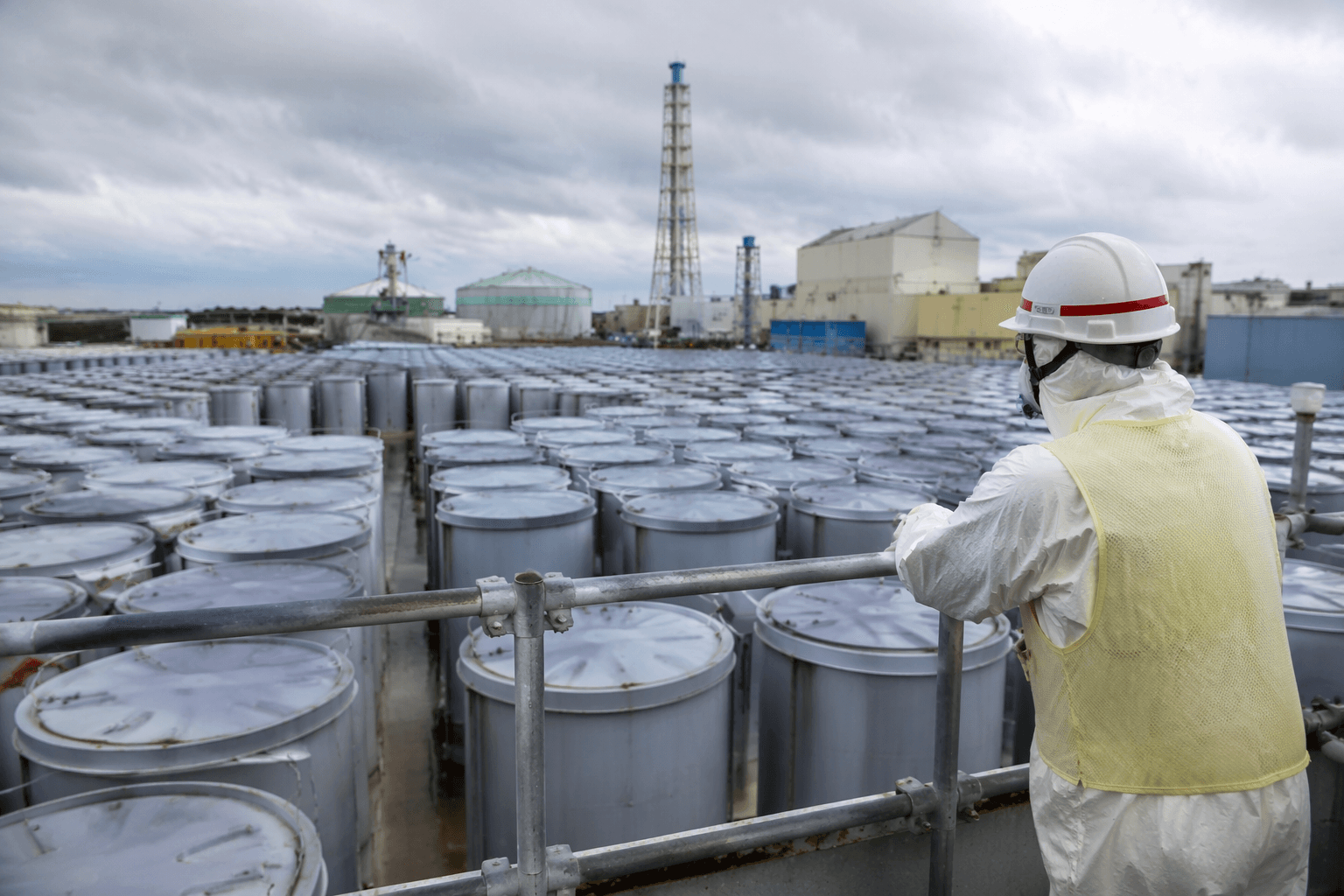
But the restart also highlighted a constraint that has dogged Japan for years: spent fuel storage is close to saturation, and the country still has no credible permanent disposal route. Data released by the Federation of Electric Power Companies of Japan showed that the national occupancy rate at storage facilities reached 78% at the end of 2025. An AP-linked report said cooling pools at three plants will be full within five years, a warning that could slow or even block future reactor restarts if new storage is not created.
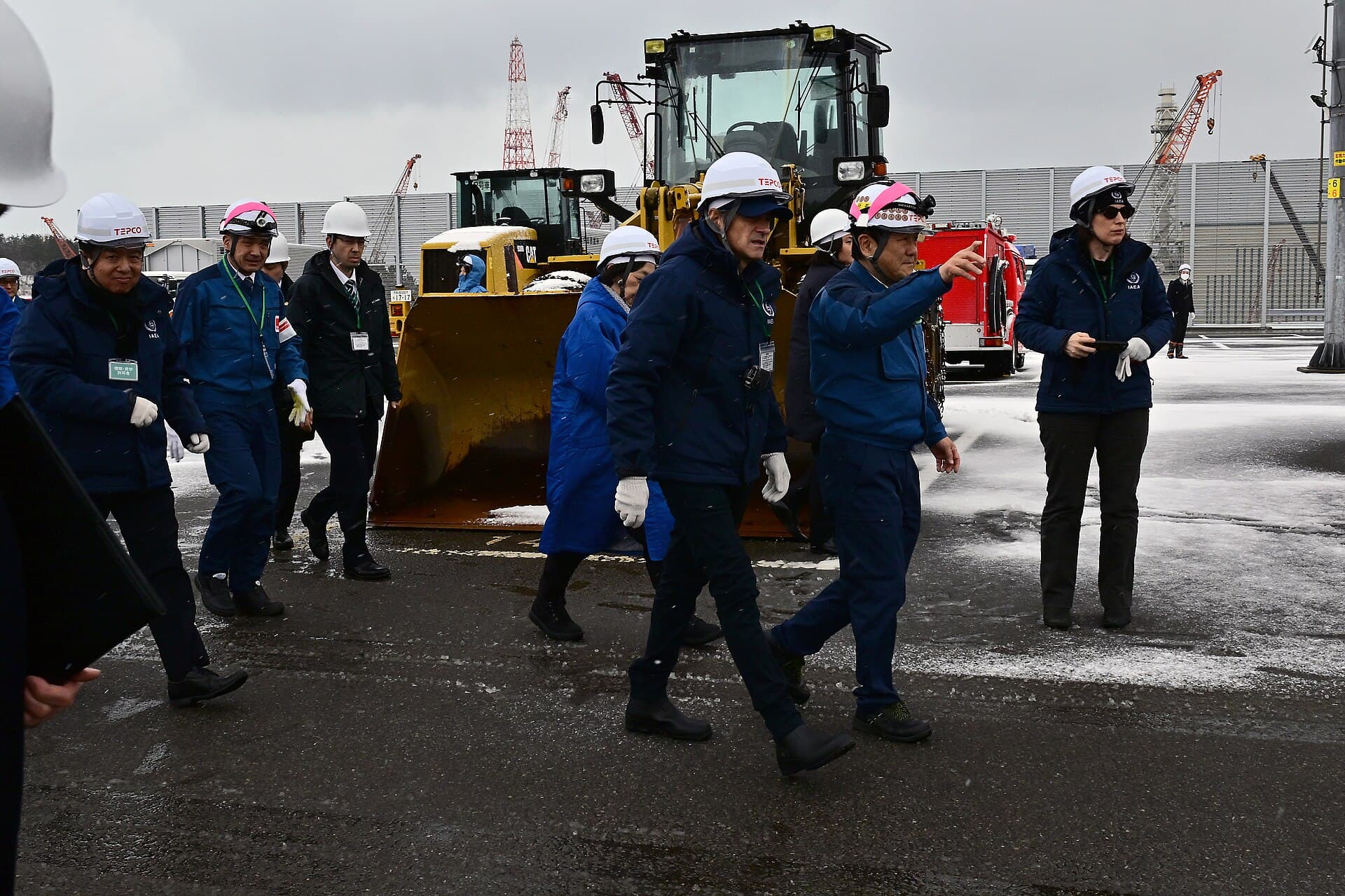
Takeyuki Inagaki, the general manager at Kashiwazaki-Kariwa, put the problem bluntly. Without solid fuel-management plans, he said, “power generation will stall sooner or later.” His warning underlined the gap between the government’s push to bring more reactors back online and the practical limits of where the waste can go.
.jpg&w=1920&q=75)
Japan’s current framework still treats reprocessing and reuse of plutonium as the basic answer for spent fuel, but that fuel-cycle strategy has been delayed for years. International Atomic Energy Agency material says Japan’s spent fuel is now stored in pools at nuclear plants or at the Rokkasho reprocessing site in Aomori Prefecture, and the reprocessing plant’s start date has been pushed back to 2027. A 2024 national report to the Joint Convention said spent-fuel and radioactive-waste management policies were still being updated across multiple ministries and agencies, a sign of how fragmented the system remains.
The implications reach well beyond Niigata Prefecture. Japan is trying to make nuclear power a larger part of its climate and energy mix, but every restart deepens the need for storage space, a disposal plan and a fuel-cycle policy that can actually function. For countries reconsidering nuclear power, Kashiwazaki-Kariwa shows that reactor approvals and safety upgrades are only part of the equation. The harder question is what happens after the fuel comes out of the core.
This article was produced by Prism’s automated news system from verified source data, official records, and press releases, then run through automated quality and moderation checks before publishing. The system is built and supervised by the people who set the standards it runs under. Read our full AI policy.
Know something we missed? Have a correction or additional information?
Submit a Tip