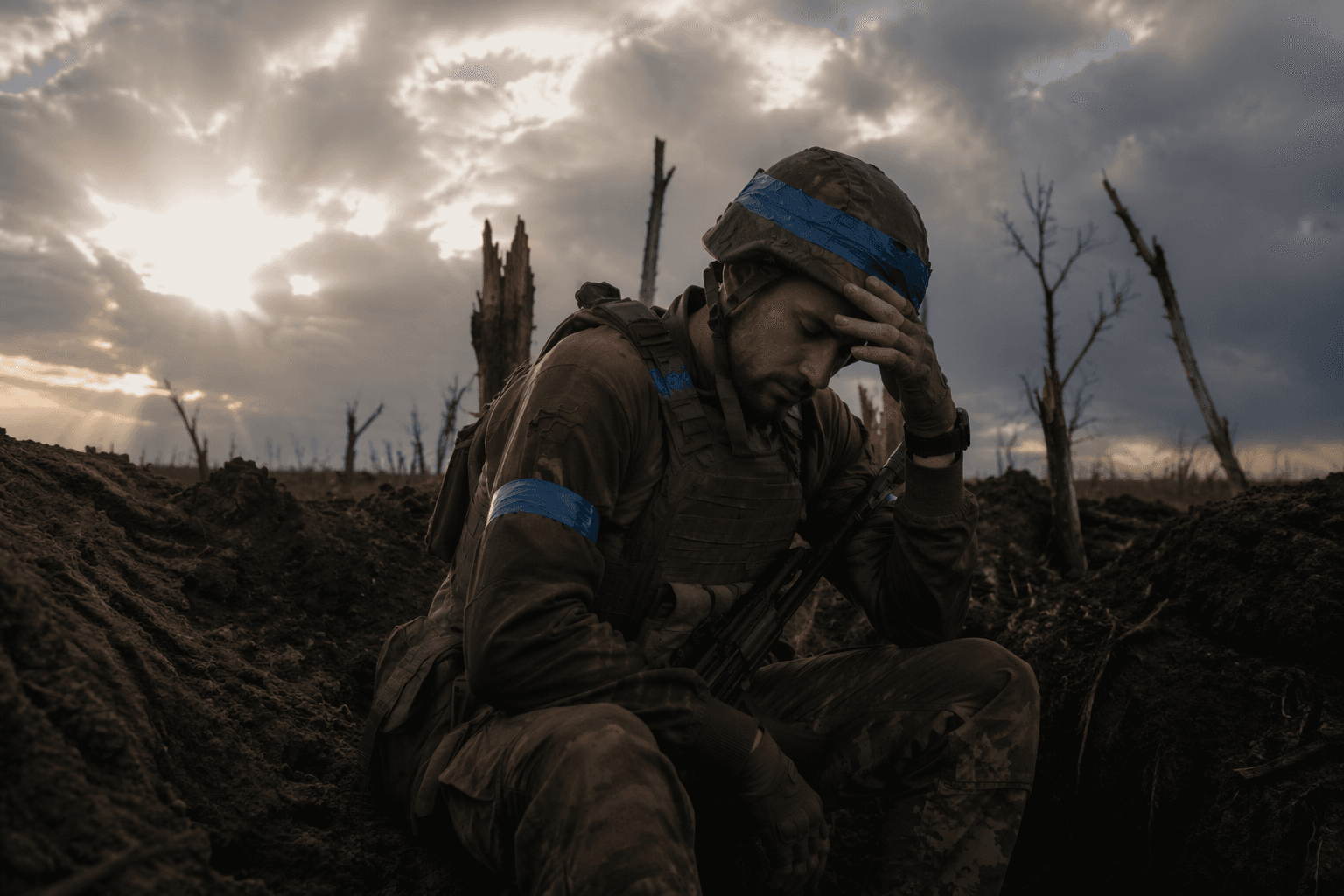
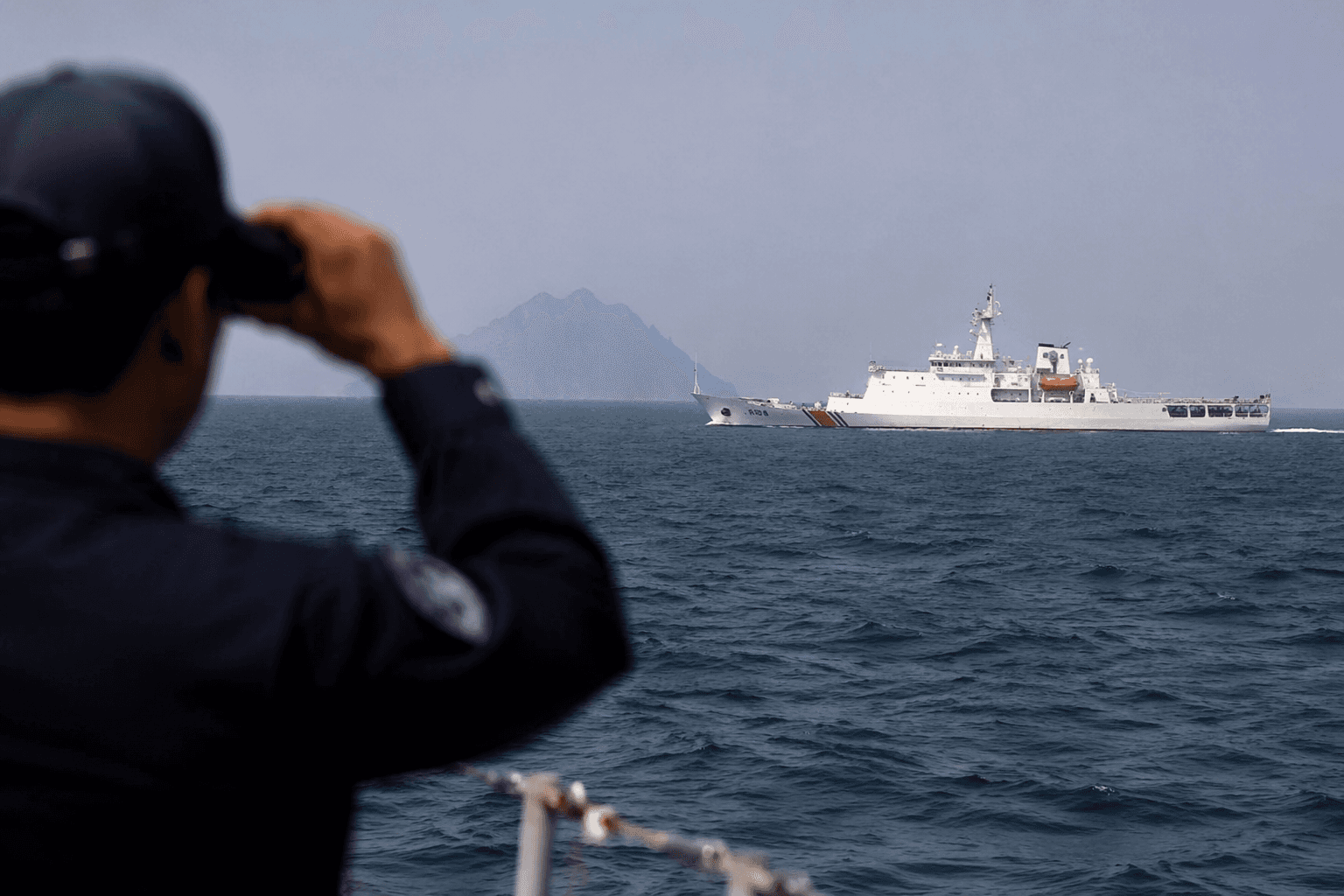
US says second day of Iran strikes completed, Tehran claims Bahrain base attack
Tehran’s claim of a strike on a U.S. base in Bahrain widened a volatile exchange as Washington said it had finished a second day of attacks inside Iran.
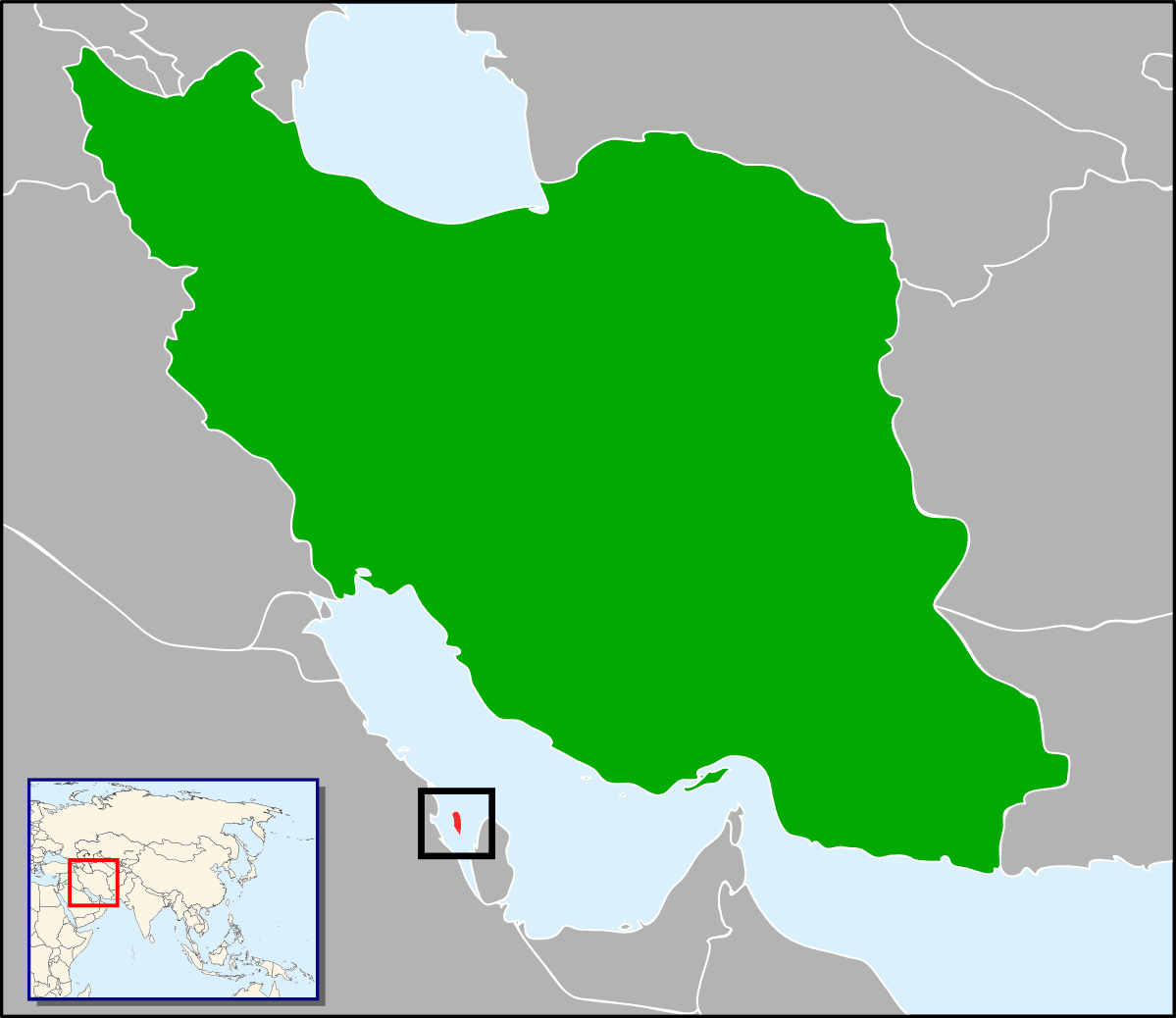
Tehran’s claim that it struck a U.S. base in Bahrain pushed the Iran crisis closer to a regional fault line that already runs through the Strait of Hormuz. At the same time, the U.S. military said it had completed a second day of strikes against multiple targets in Iran, deepening a confrontation that now threatens American troops, Gulf allies and the shipping lane that carries oil out of the Persian Gulf.
The Bahrain allegation mattered immediately because the island kingdom hosts the U.S. Fifth Fleet at Naval Support Activity Bahrain in Manama, making it one of the most sensitive American military outposts in the Gulf. The Guardian’s live coverage reported Tehran’s claim that it had targeted a U.S. base in Bahrain, while Al Jazeera said the Iranian Revolutionary Guard Corps claimed retaliatory strikes against U.S. forces in Bahrain and Kuwait. Those battlefield assertions were part of a wider flood of claims from both sides, including reports that also mentioned Jordan, but several of the strike claims remained disputed or unverified.
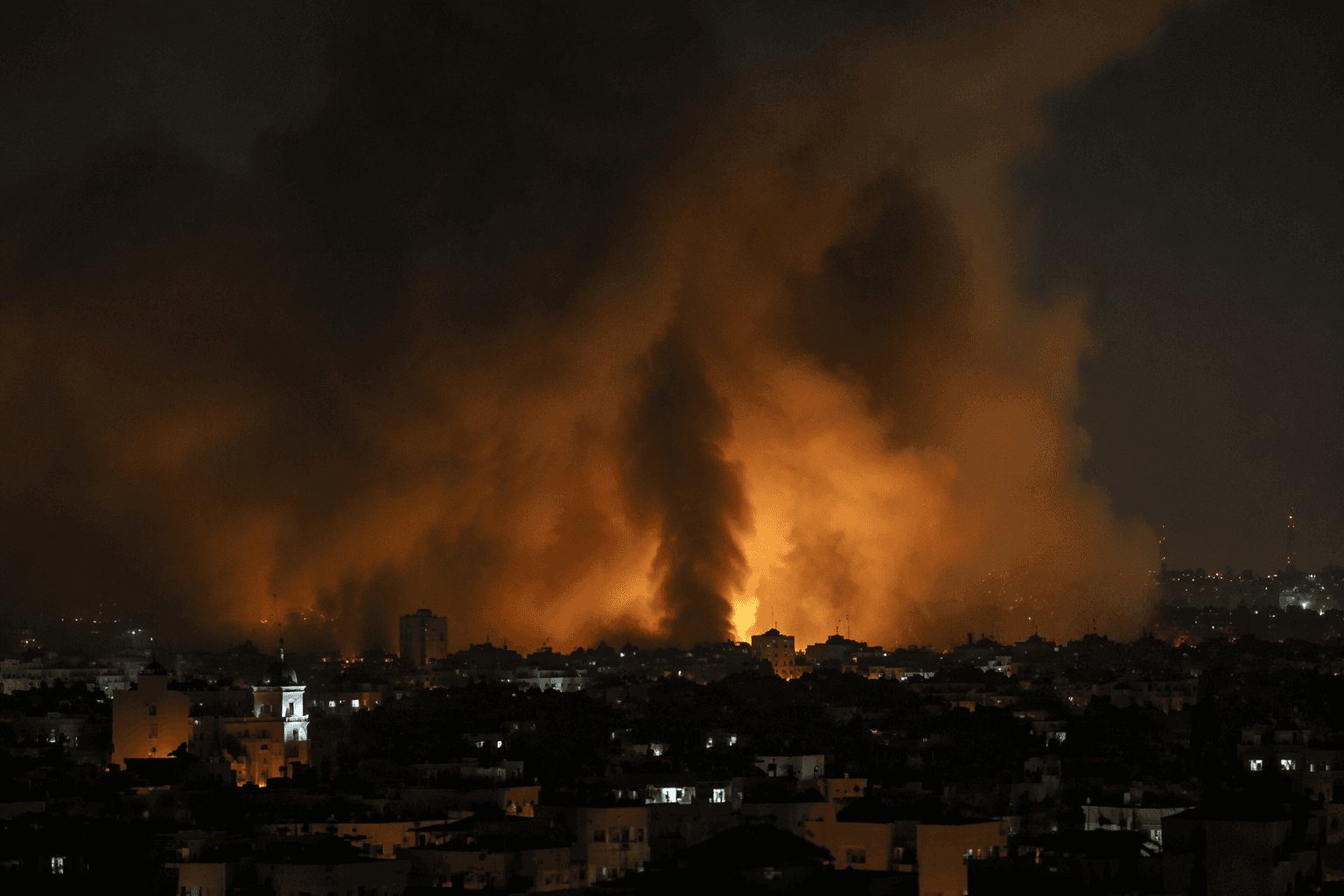
U.S. Central Command said it had begun additional self-defense strikes on June 10, and reporting said commercial shipping continued to transit the Strait of Hormuz despite the fighting. That detail underscored the stakes for global energy markets: even a limited exchange can quickly raise insurance costs, rattle oil prices and force tankers to reassess routes if either side signals a broader campaign around the waterway.
The escalation built on earlier clashes in and around the strait, including a downed American helicopter claim that had already heightened tensions over maritime security. President Donald Trump accused Iran of dragging out peace talks, while coverage said the U.N. secretary-general, António Guterres, warned that the cease-fire was becoming more like a “lesser-fire,” a line that captured how fragile the diplomatic off-ramp had become.
For Washington, the key question is whether the fighting stays inside a narrow cycle of strikes or expands to Bahrain, Kuwait and the sea lanes beyond. For Tehran, the choice is whether retaliatory claims stay symbolic or begin to hit the American military architecture that anchors the Gulf security system. That ladder of escalation, more than any single strike report, will determine whether the crisis remains contained or turns into a wider regional war.
This article was produced by Prism’s automated news system from verified source data, official records, and press releases, then run through automated quality and moderation checks before publishing. The system is built and supervised by the people who set the standards it runs under. Read our full AI policy.
Know something we missed? Have a correction or additional information?
Submit a Tip