Ukraine war matches World War I in length, casualties surge
Russia’s war on Ukraine has lasted 1,568 days, the same span as World War I, as drones and trenches turn attrition into a far deadlier grind.
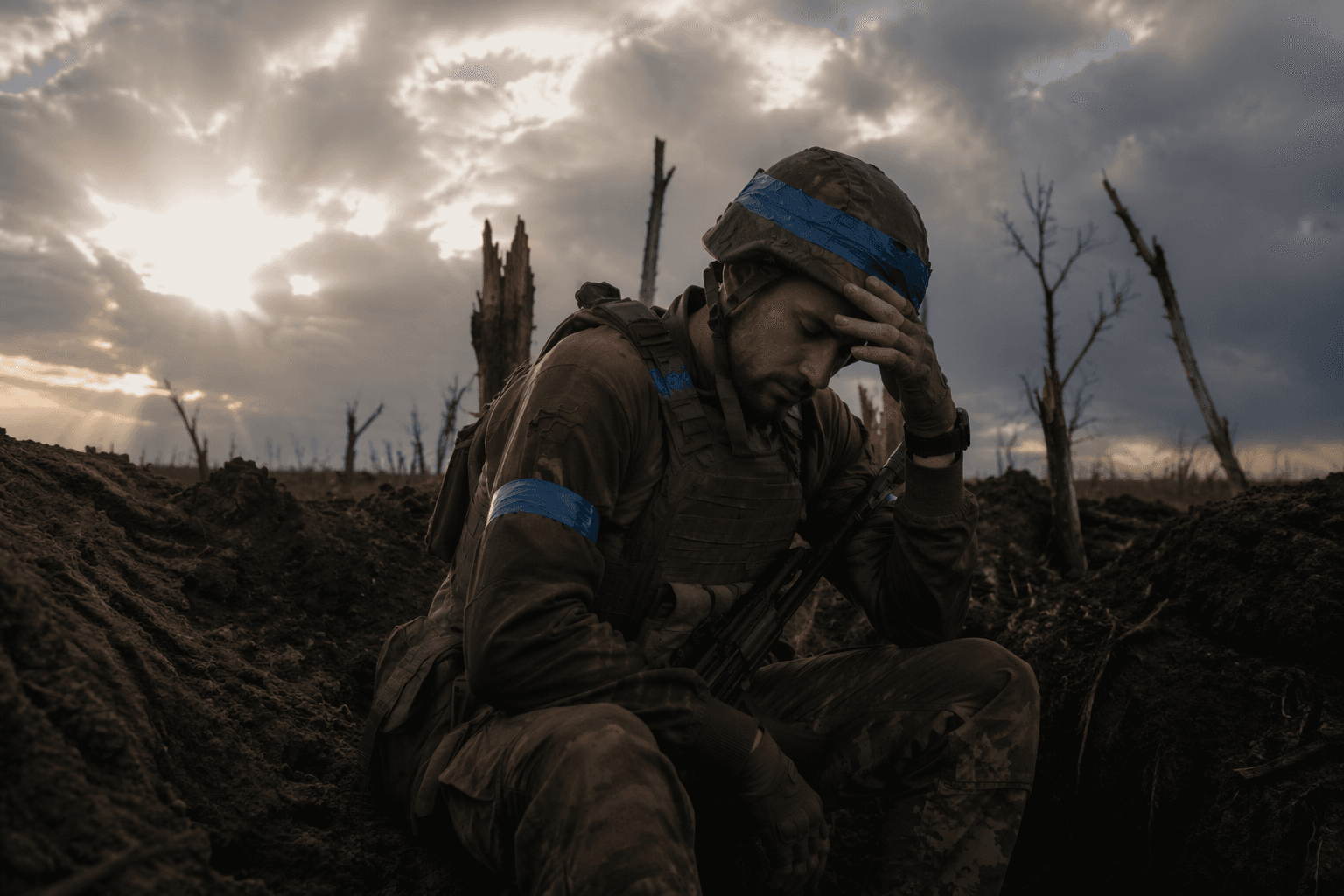
Russia’s full-scale invasion of Ukraine has now lasted 1,568 days, the same length as World War I, a brutal marker for a conflict that has become a war of endurance rather than maneuver. The comparison lands hard because both wars have fused technological change with grinding stalemate, and both have forced armies to adapt faster than they can break through.
World War I ran from July 28, 1914, to Nov. 11, 1918, and helped define modern industrial warfare. Trench lines took hold in 1914, chemical weapons entered the battlefield at the Second Battle of Ypres in April 1915, and the war ultimately killed an estimated 15 million to 22 million people and wounded about 21 million service members. Its duration was long enough for innovation to change the fighting, but not long enough to stop the slaughter.
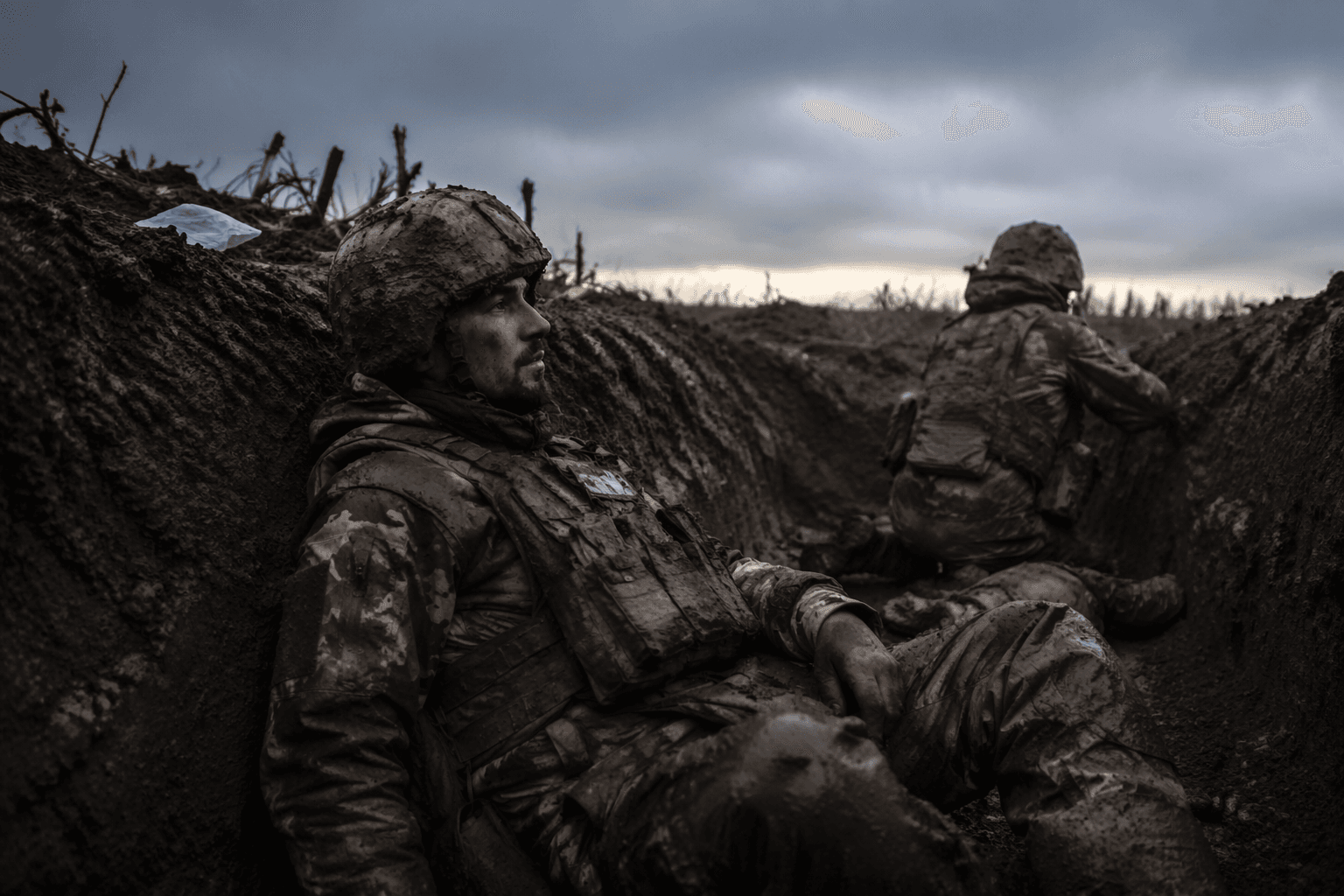
Ukraine has followed a similar pattern of adaptation without decisive settlement. A January 2026 assessment by the Center for Strategic and International Studies estimated that Russia had suffered nearly 1.2 million military casualties since February 2022, including as many as 325,000 killed. The same assessment warned that combined war casualties in Russia’s war on Ukraine could reach 2 million by the spring of 2026. That scale of loss would put the conflict among the most costly wars since World War II.
Civilian suffering has also deepened. The United Nations Human Rights Monitoring Mission in Ukraine said 2025 was the deadliest year for civilians since the full-scale invasion began, with at least 2,514 killed and 12,142 injured. The mission said 97% of verified civilian casualties that year occurred in government-controlled territory from attacks launched by Russian armed forces. Civilian casualties in 2025 rose 31% from 2024 and 70% from 2023, a sign that the war’s toll spread even as the front line remained locked.
What has changed most is the machinery of destruction. Trench fighting still exists, but drones, surveillance and precision fires have turned much of the front into a lethal kill zone rather than a continuous line of entrenchment. The result is a conflict that looks at once medieval in its attrition and modern in its technology, a war where tactical adaptation has outpaced any strategic breakthrough.
This article was produced by Prism’s automated news system from verified source data, official records, and press releases, then run through automated quality and moderation checks before publishing. The system is built and supervised by the people who set the standards it runs under. Read our full AI policy.
Know something we missed? Have a correction or additional information?
Submit a Tip