NSW inquiry probes unsolved murders, missing persons and Ivan Milat links
Families of the missing told NSW’s new inquiry that police failures, hidden files and missed links may have buried answers for decades. The probe is also testing whether Ivan Milat killed far more than seven people.
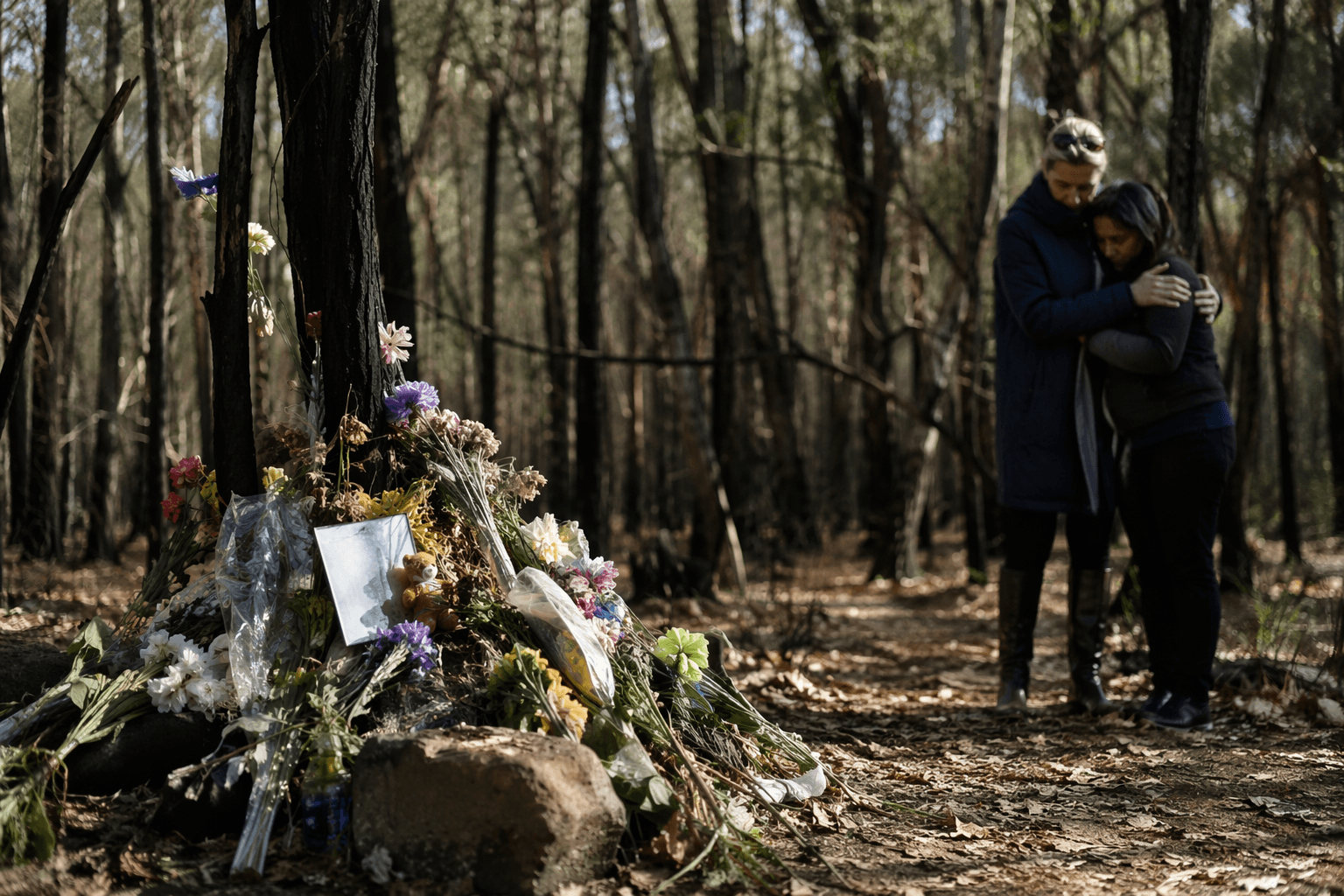
A New South Wales parliamentary inquiry has opened a fresh front on some of the state’s oldest unsolved cases, asking not only who killed and disappeared, but why so many investigations stalled for decades. The inquiry began on 11 June 2026 and is examining cases from 1965 to 2010, with a focus on whether police failures, forensic limits and missed links left families without answers.
The first hearing heard from relatives of missing people whose cases have shadowed Wollongong, Canberra and western Sydney for generations. Cheryl Grimmer’s brother, Ricki Nash, told the inquiry the family has lived with the consequences of police failure for more than 50 years, after the three-year-old vanished from Fairy Meadow Beach in Wollongong in January 1970. Nash said that if police had done their job in 1971, the truth might have emerged years earlier.
The inquiry is also revisiting the disappearance of Kay Docherty, who went missing from Warilla, south of Wollongong, in 1979 at age 15. Her twin brother, Kevin Docherty, told the hearing that his parents died of a broken heart without ever learning what happened to their only daughter. A 2013 inquest found Kay Docherty and Toni Cavanagh likely died shortly after they disappeared and said there was evidence suggesting fugitive Graham Potter or Ivan Milat may have murdered them.
One of the central questions now is whether Milat’s violent history reached far beyond the seven backpackers he was convicted of killing. Jeremy Buckingham, the NSW Legalise Cannabis MP who chairs the inquiry, said there was a building body of evidence that Milat was responsible for many more murders, possibly dating back to the early 1970s. Milat was convicted of seven murders committed between 1989 and 1992, involving three Germans, two Britons and two Australians whose bodies were found in Belanglo State Forest. He died in prison in 2019 while serving seven consecutive life sentences.
The case of Keren Rowland has sharpened that focus. Rowland disappeared on 26 February 1971 after spending the evening at the Canberra Show. She was 20 and five months pregnant when she vanished, and her body was found three months later in a pine plantation outside Canberra. Her family believes her abduction and murder may have been sexually motivated and could have marked the start of Milat’s predatory behaviour. They say police may have missed chances to connect her death to Milat, including after he was arrested weeks later over the alleged abduction of two women near Goulburn, one of whom he allegedly raped.

Families and supporters at the inquiry have accused police of missing evidence, hidden files and incomplete investigations. Retired detective Hugh Hughes described repeated refusals by the Australian Federal Police to release archival material as institutional corruption and called for police to be open, honest and transparent. Buckingham said the inquiry is also looking at broader policing failures, including bias against Aboriginal people and people from alternative backgrounds, as lawmakers try to explain why so many cases were never solved.
This article was produced by Prism’s automated news system from verified source data, official records, and press releases, then run through automated quality and moderation checks before publishing. The system is built and supervised by the people who set the standards it runs under. Read our full AI policy.
Know something we missed? Have a correction or additional information?
Submit a Tip