U.S. strikes Iran again as fragile ceasefire begins to crumble
U.S. forces hit Iranian surveillance and air-defense sites again as Trump vowed Tehran would "pay the price," testing a ceasefire already near collapse.

U.S. forces struck targets in Iran again Wednesday, widening the gap between ceasefire rhetoric and the battlefield reality along the Persian Gulf. U.S. Central Command said the latest round of "additional self-defense strikes" began at 5:15 p.m. ET and hit Iranian military surveillance capabilities, communication systems and air defense sites across the country.
CENTCOM said the Marine Corps, Air Force and Navy used precision munitions against sites it described as a threat to U.S. forces and to international commercial ships transiting regional waters. The message was not subtle: Washington portrayed the strikes as defensive, but the choice of targets suggested a campaign aimed at degrading Iran’s ability to watch, communicate and retaliate.
Defense Secretary Pete Hegseth, speaking in Tampa after a briefing at MacDill Air Force Base, said U.S. forces would "hit Iran hard" and bomb "key facilities." He added that the United States could "negotiate with bombs" if needed, sharpening the pressure campaign around a simple proposition: accept a deal or absorb more firepower. Donald Trump pushed the same line, saying Iran had taken too long to negotiate and would "pay the price."
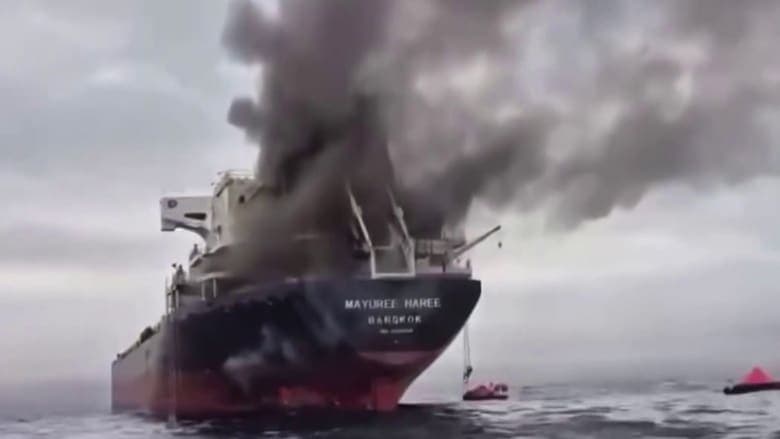
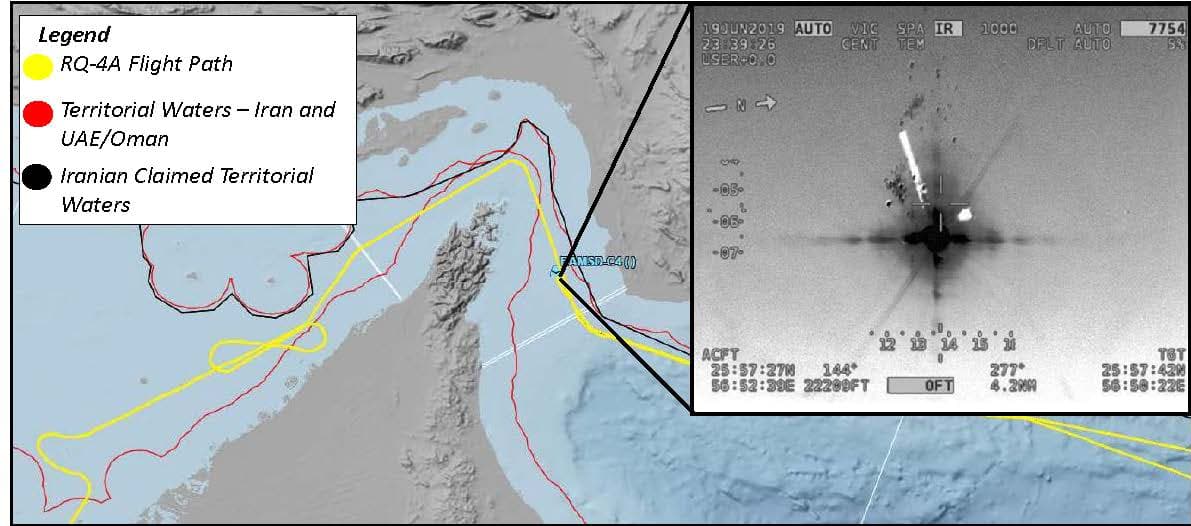
The military action followed a sharp deterioration in the ceasefire that had only been in place for about two months. The fighting intensified after a U.S. Army Apache helicopter was shot down near the Strait of Hormuz. The two crew members were rescued and were in stable condition, but the episode helped turn a fragile pause into a renewed exchange of strikes. Earlier in the week, U.S. forces had already hit air defense, ground control and radar sites near the strait.
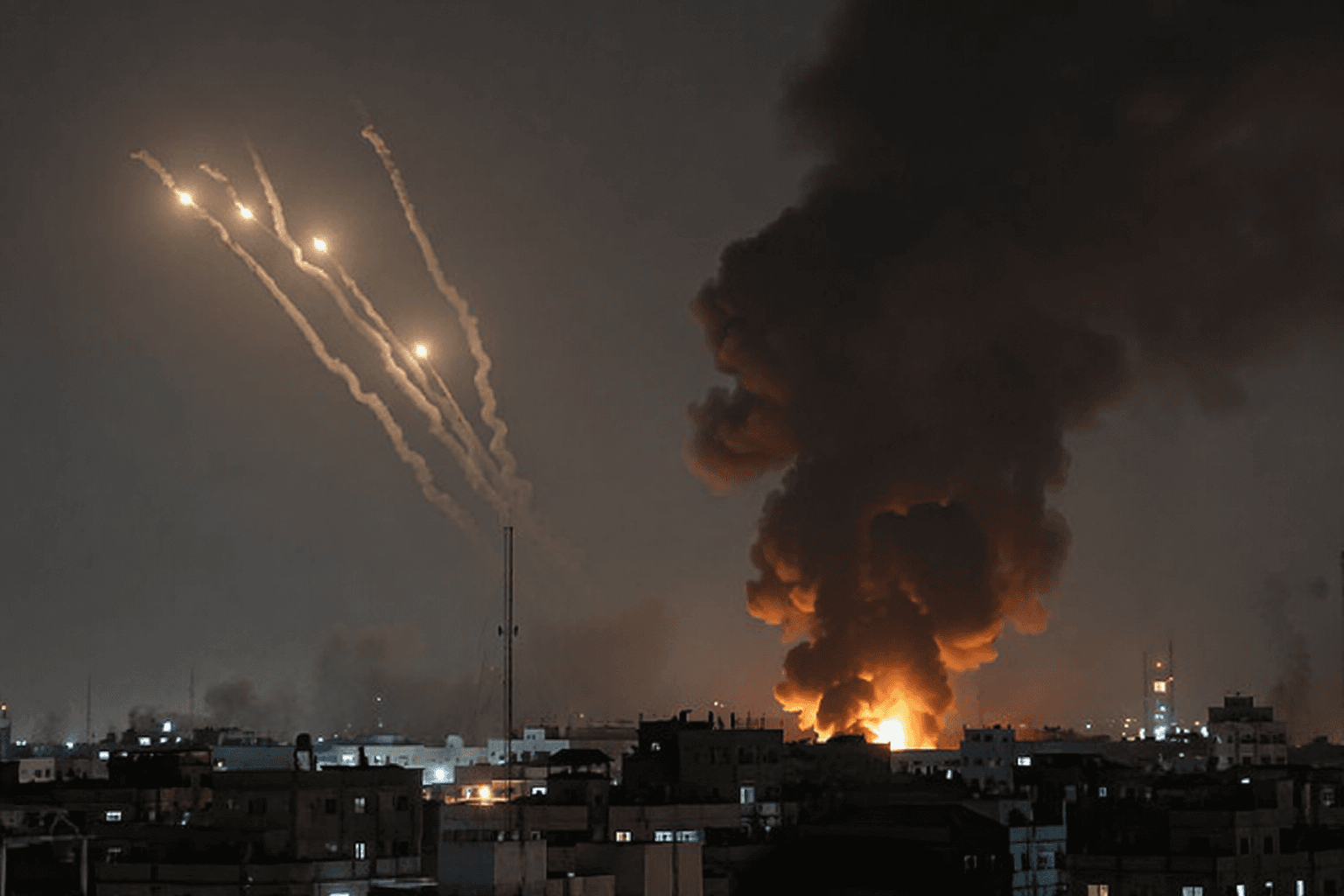
Iran responded with missile and drone attacks on U.S. military sites and on countries hosting U.S. troops, including Bahrain, Kuwait and Jordan. That retaliation matters because it shows how quickly the conflict can spread beyond a direct U.S.-Iran exchange and into the Gulf states and shipping routes that Washington says it is trying to protect. If the strikes are meant as coercive leverage, the test will be whether Tehran pulls back and returns to negotiations. If Iran keeps answering with regional attacks while the United States keeps widening its targets, the ceasefire is not being enforced. It is unraveling.
This article was produced by Prism’s automated news system from verified source data, official records, and press releases, then run through automated quality and moderation checks before publishing. The system is built and supervised by the people who set the standards it runs under. Read our full AI policy.
Know something we missed? Have a correction or additional information?
Submit a Tip