Japanese Travelers Flock to South Korea for Cherry Blossom Viewing
Japanese hanami travelers are finding a familiar ritual across the sea, where South Korea’s earlier blooms, festival routes, and softer regional ties are reshaping spring tourism.
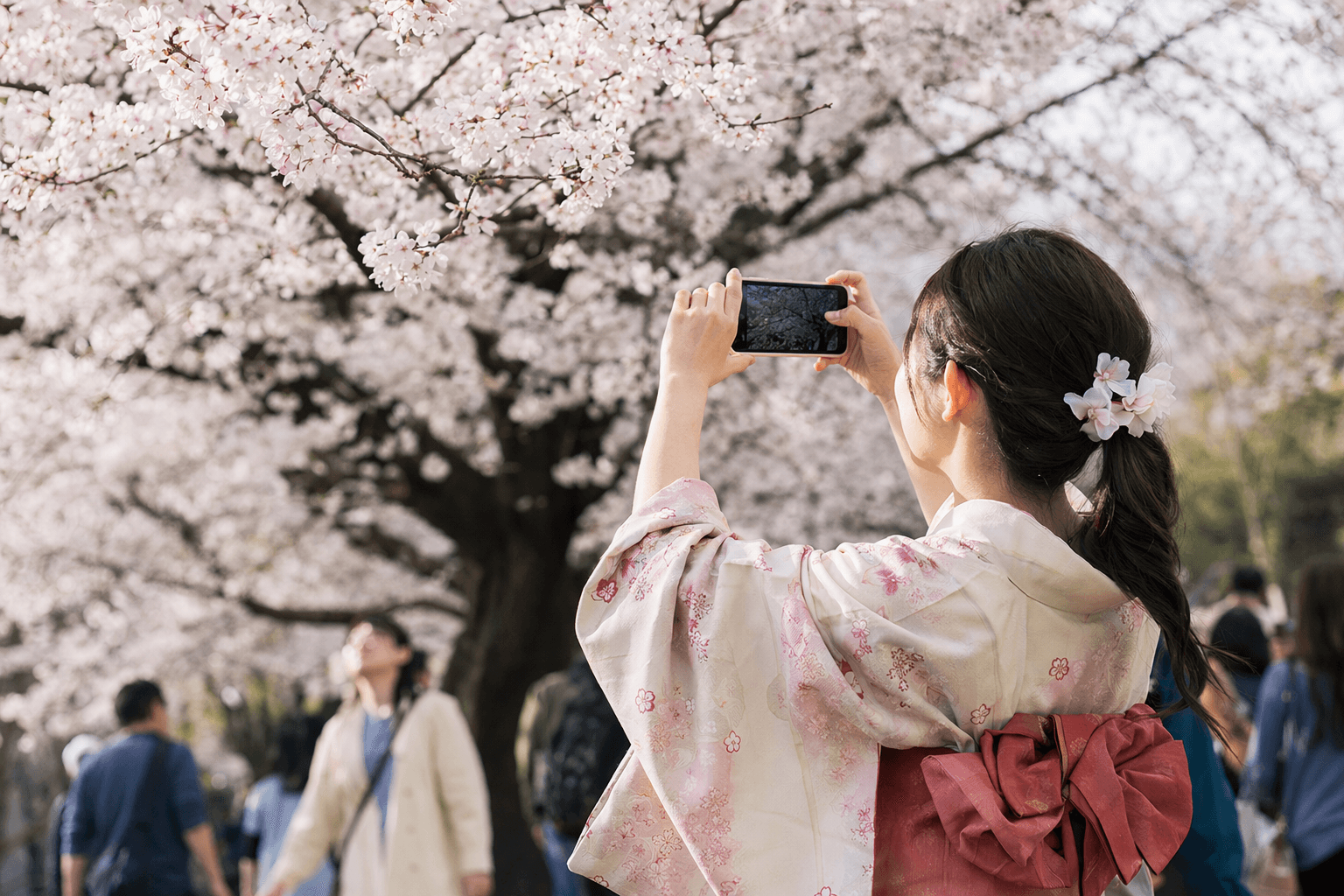
Cherry blossoms beyond Japan’s borders
For Japanese travelers, cherry blossom viewing is not a novelty. It is a cultural ritual rooted in centuries of hanami and supported by an enormous domestic audience, with one historical estimate from Kansai University putting Japan’s annual blossom viewing crowd at 63 million people. That is why South Korea’s rise as an alternative spring destination is so revealing: it is not replacing Japan’s cherry blossom tradition, but extending it across a regional travel corridor that feels increasingly familiar.
South Korea is being framed more often as an East Asian blossom destination in its own right, even though Japan remains the most famous. That shift matters because it shows how a deeply Japanese seasonal experience is becoming part of a wider soft-power landscape, where short-haul travel, shared seasonal timing, and easy cultural recognition encourage movement between neighboring countries. The result is a spring flow that says as much about regional normalization as it does about flowers.
Why South Korea fits the hanami calendar
South Korea’s cherry-blossom season typically runs from late March to early April, which places it close enough to Japan’s spring rhythm to feel intuitive for travelers who already plan their year around blossoms. VISITKOREA’s 2025 forecast said the flowers were expected to bloom three to eight days earlier than average, giving visitors an even tighter window to catch the season at its peak.
The timing across major destinations is especially useful for planning. The forecast put first blossoms around March 22 in Jeju, March 23 in Busan, and April 1 in Seoul and Gangneung, with full bloom in Seoul expected around April 8. That staggered bloom pattern makes South Korea more than a single-destination trip: it creates a moving line of spring from the southern coast to the capital, giving visitors several chances to catch peak color without waiting for one city alone.
Where the blossoms are most meaningful
Jeju Island is the place to start if the goal is to see Korea’s earliest cherry blossoms. The island is known for its first blooms in the country and for its native king cherry blossoms, which have become a signature attraction. The Jeju Cherry Blossom Festival is built around that identity, turning the island into both a flower destination and a cultural marker of regional pride.
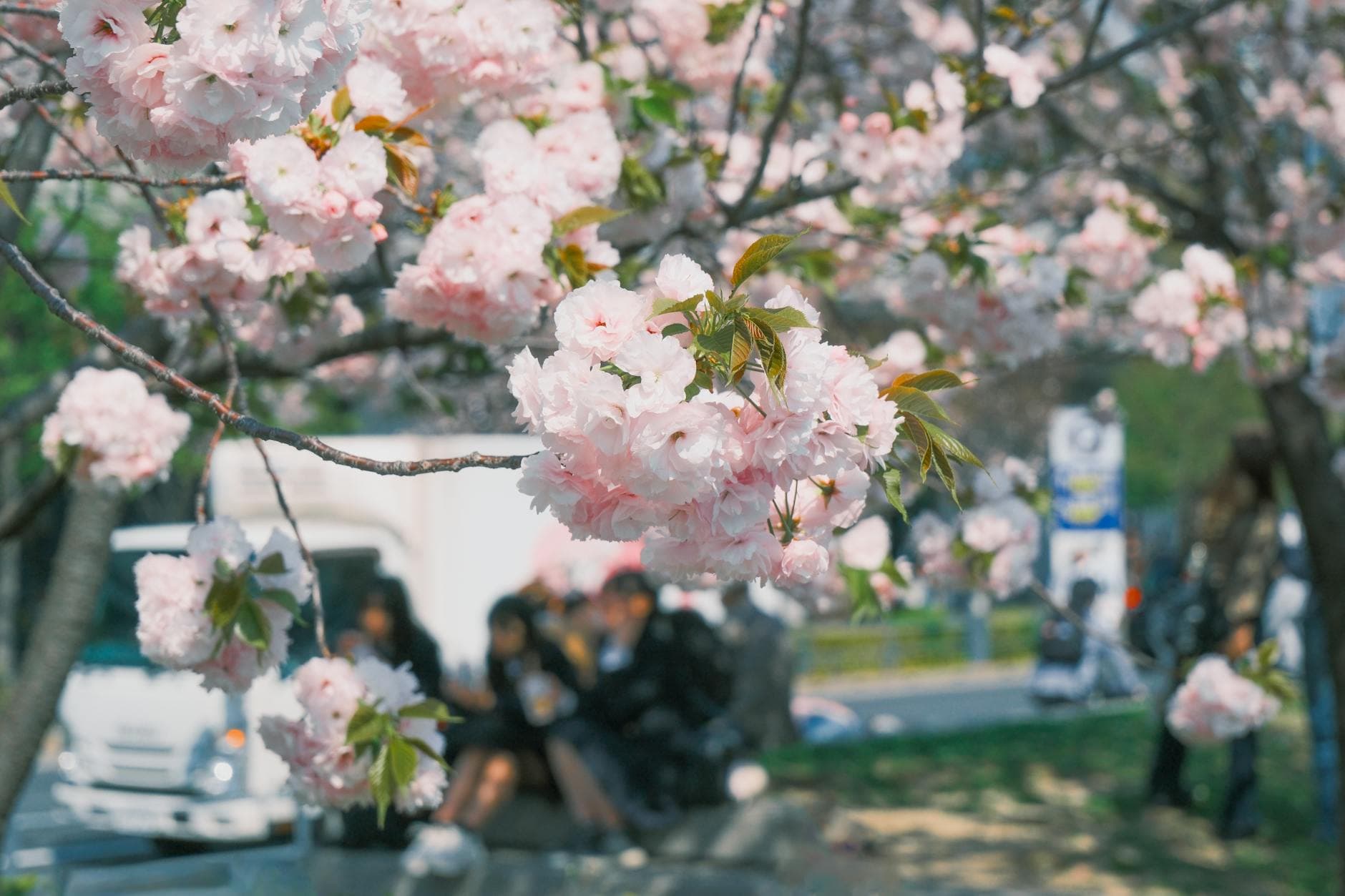
Busan is another major spring stop, with blossoms forecast to arrive soon after Jeju. Its coastal setting gives the season a different atmosphere, less urban than Seoul and often easier to fold into a wider southern Korea itinerary. For travelers using South Korea as an alternative to Japan, this sequence matters: it offers a familiar blossom experience without making the trip feel like a copy of hanami back home.
Seoul remains the most visible urban showcase. Yeouido’s Yunjungno walkway is one of the city’s best-known blossom spots, and it draws attention because the flowers meet the skyline rather than replacing it. VISITKOREA’s forecast placed Seoul’s first blossoms around April 1 and full bloom around April 8, which gives the capital a clear window for visitors planning around work schedules or short cross-border breaks.
Gangneung extends the season further east, and Jinhae is among South Korea’s best-known blossom festival destinations. Travel guides note that many visitors flock to Jinhae from March to mid-April, which makes it one of the country’s most dependable seasonal draws. Together, these destinations show why South Korea is increasingly being positioned as a regional alternative: the blossom season is broad, accessible, and varied enough to support different kinds of trips.
What the flowers mean in South Korea
South Korea’s cherry blossoms carry a layer of cultural complexity that makes the story larger than tourism. Reporting in 2024 noted debate over whether some of the trees are Japanese-origin Yoshino cherries or native king cherries, and that discussion connects blossoms to broader national-identity questions. In other words, the trees are not only scenic objects; they also sit inside an ongoing conversation about origin, memory, and belonging.
That complexity may help explain why the blossom season attracts so much attention. The flowers can be read differently depending on where you are standing: as a shared East Asian spring ritual, as a national symbol, or as a reminder of historical entanglements. For Japanese visitors, that layering can make South Korea’s blossoms feel both familiar and distinct, which is part of the appeal.
A regional spring pattern with economic meaning
AP reported that people in China, Japan and South Korea all gather to enjoy cherry blossoms in early spring, even as Japan remains the most well-known destination. That regional overlap matters for tourism strategy because it shows how seasonal travel now operates across borders, not just within them. When blossom calendars in nearby countries sit close together, travelers can compare destinations, extend trips, and treat spring as a multi-country itinerary rather than a single national event.
For South Korea, that creates a subtle but important opportunity. The country is not trying to out-Japan Japan; it is building a complementary spring product that works because travelers already understand the ritual. Japanese visitors, in particular, are drawn to a setting that preserves the emotional logic of hanami while adding new landscapes, new festival identities, and a different national frame.
How to plan a cherry blossom trip in South Korea
The best trips are built around bloom timing rather than fixed dates. Jeju usually comes first, followed by Busan, then Seoul and Gangneung, so a south-to-north route can help match the flowers as they open. If Seoul is your base, the forecast window around early to mid-April is the key period, especially if you want to catch full bloom around the capital.
- Jeju for the earliest blossoms and the king cherry blossom festival atmosphere
- Busan for a coastal bloom stop soon after Jeju
- Seoul for Yeouido’s Yunjungno walkway and the city’s most recognizable viewing scenes
- Jinhae for one of the country’s best-known festival experiences, especially from March to mid-April
A practical spring itinerary usually includes:
That structure reflects more than convenience. It shows how South Korea has become a place where cherry blossoms are no longer just admired as scenery, but used as a bridge between neighboring cultures. For Japanese travelers, the journey turns a deeply familiar ritual into a cross-border spring habit, and that quiet shift says a great deal about where regional tourism is heading next.
This article was produced by Prism’s automated news system from verified source data, official records, and press releases, then run through automated quality and moderation checks before publishing. The system is built and supervised by the people who set the standards it runs under. Read our full AI policy.
Did this article answer your question?


