Japan's RV-X rocket completes first reusable test flight, lands safely
Japan's RV-X rose 11 meters, slid 16 meters horizontally and landed upright in a less-than-one-minute hop, a small test with big stakes for launch costs and security.

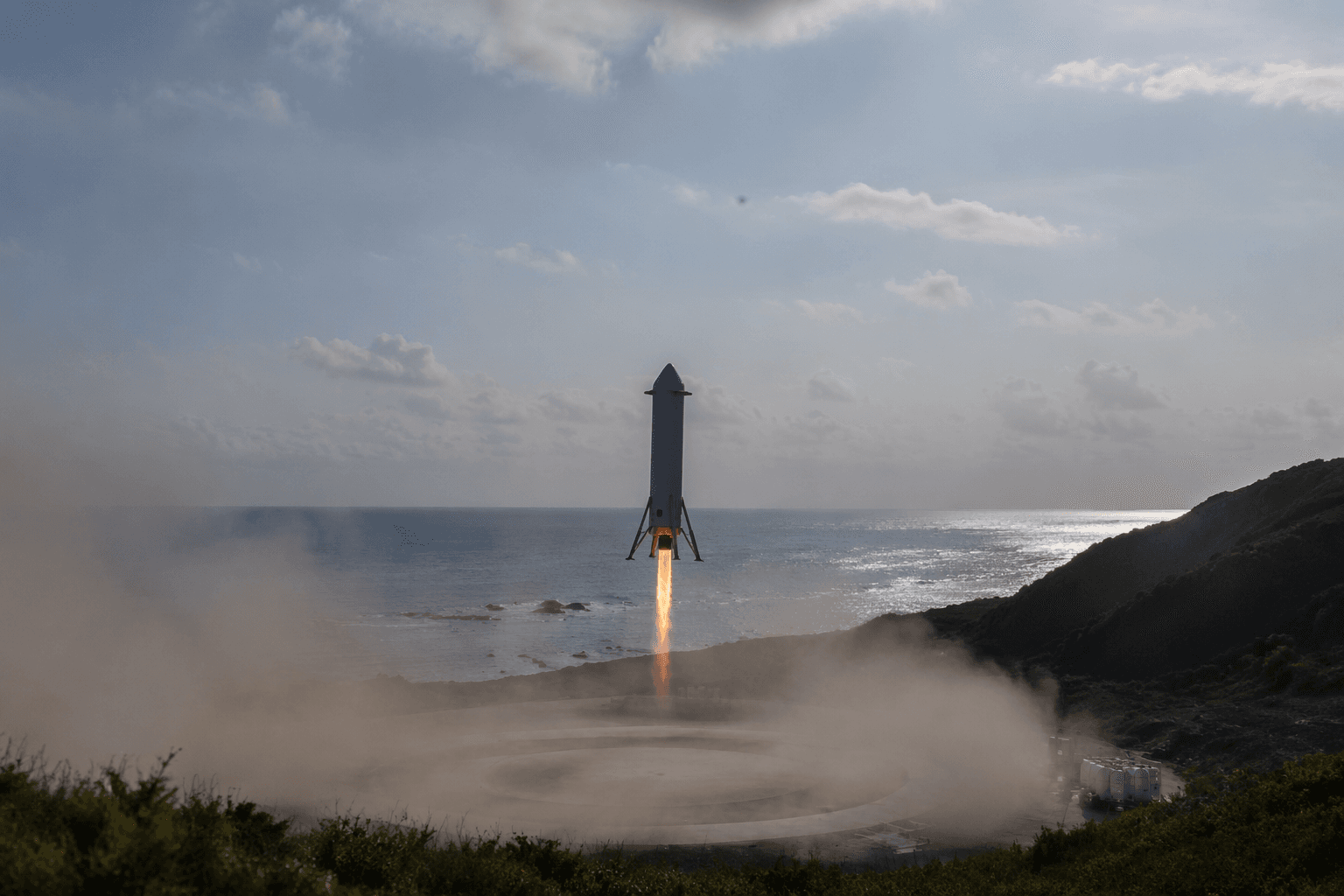
Japan took a concrete step toward a cheaper reusable launch system as its RV-X experimental rocket completed its first test flight and landed safely at the Noshiro Rocket Testing Center in Akita Prefecture. The vehicle lifted off, hovered, moved horizontally and returned to the ground upright in a flight that lasted less than one minute, a basic but critical demonstration for reusability. JAXA said the rocket rose 11 meters and traveled 16 meters sideways before touchdown.
The RV-X is built as a compact test vehicle, measuring 1.8 meters in diameter and 7.3 meters long. JAXA said the engine had already endured 165 combustion tests before the flight, and future trials are planned to climb to about 100 meters in altitude. The rocket was developed with Mitsubishi Heavy Industries and is fitted with a more durable engine and shock-absorbing landing gear, signaling that Japan is moving from design studies toward hardware meant to survive repeated takeoffs and landings.
The stakes go beyond engineering. Japan already operates the H3 as its new mainstay launcher, with JAXA describing it as a vehicle built for high flexibility, high reliability and better cost performance. Even so, officials want launch prices lower still as the country tries to compete with established reusable systems abroad. The older H-IIA has been in operation since 2001, and launch-service operations were transferred to Mitsubishi Heavy Industries in 2007, underscoring how closely Japan’s launch sector is tied to industrial policy as well as state capability.
The test also pointed back to a much longer research line. The Noshiro Testing Center was established in 1962 and is used for static-firing tests, liquid-engine experiments and landing experiments for reusable launch vehicles, with a maximum safety distance of 1 kilometer. JAXA’s reusable-vehicle research includes earlier RVT flight-test campaigns in 1999 and 2001, and agency interviews say those efforts were meant to build knowledge on takeoff, landing, repeated flights and turnaround operations.
That operational focus matters because reusable rockets only change the market if they can fly often and economically. JAXA researchers have said that requires not just flight hardware but a launch system and customer base capable of supporting repeated missions. The agency says RV-X lessons will feed into the CALLISTO project and future reusable space transportation systems, as Japan seeks to keep pace with SpaceX and as China reports its own advances in rocket recovery technology.
This article was produced by Prism’s automated news system from verified source data, official records, and press releases, then run through automated quality and moderation checks before publishing. The system is built and supervised by the people who set the standards it runs under. Read our full AI policy.
Did this article answer your question?