Poland to build memorial wall for Volhynia massacre victims
Donald Tusk said Poland will build a Wall of Remembrance in Warsaw for Volhynia victims, as the wartime killings again test ties with Kyiv.
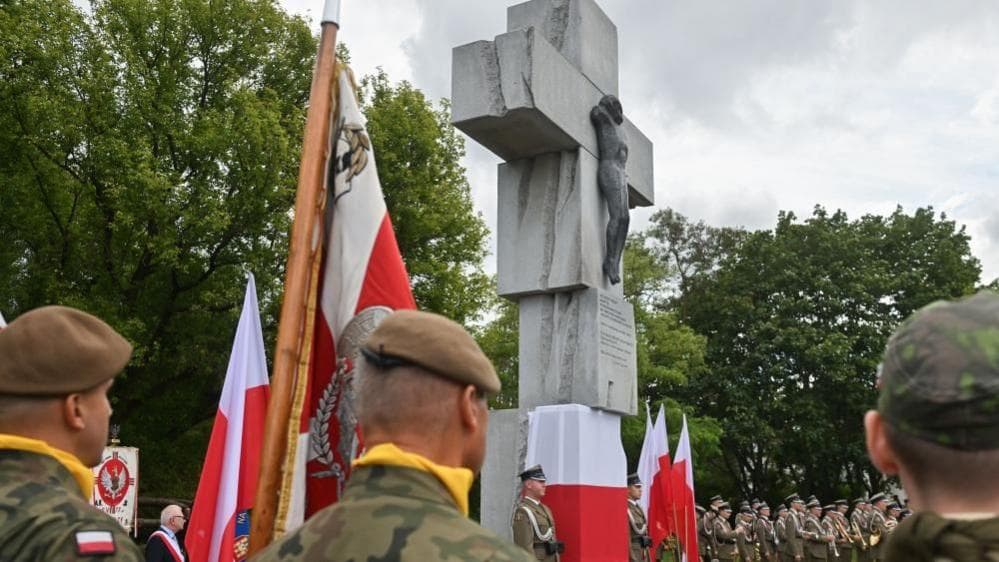
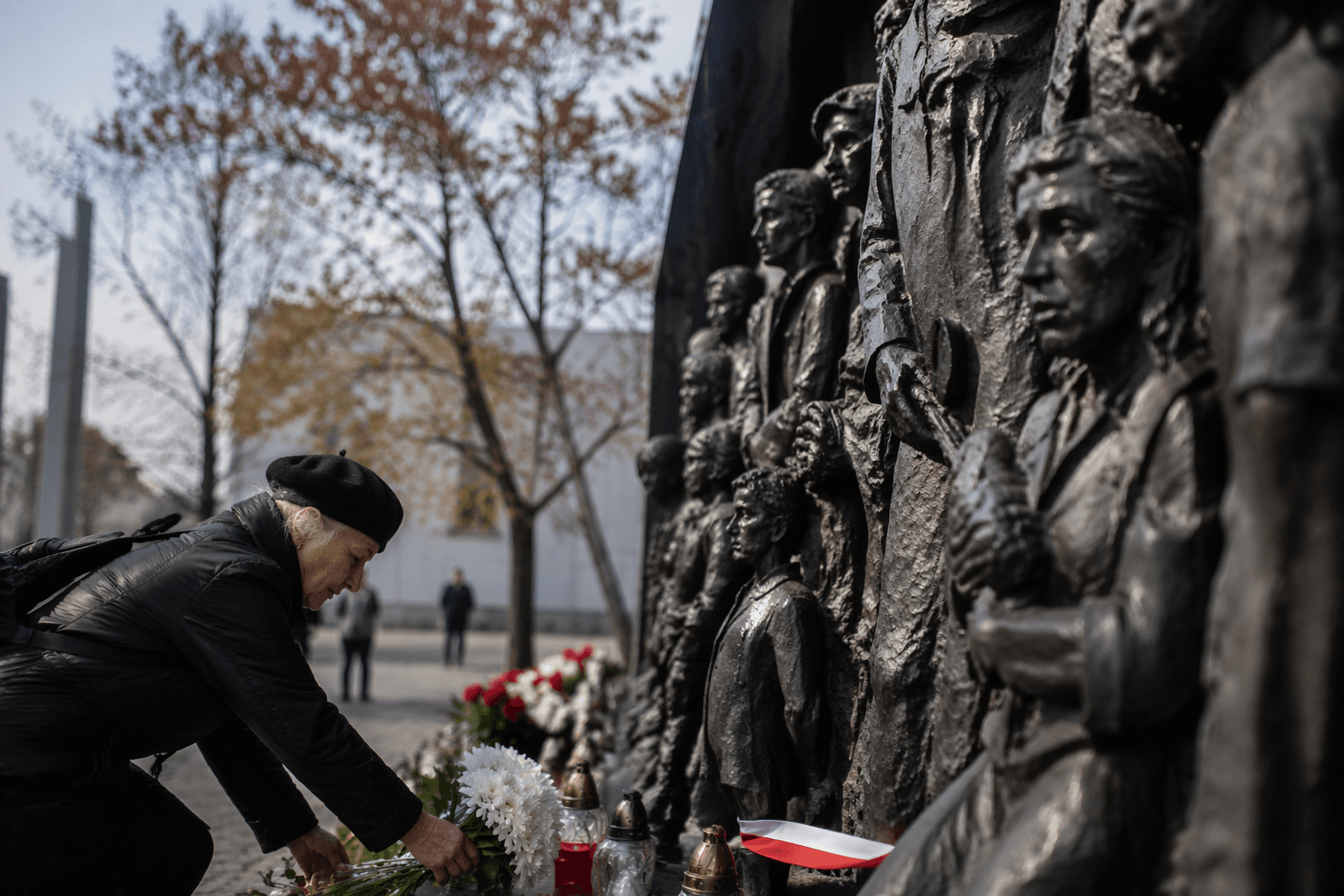
Donald Tusk announced that Poland will build a national Wall of Remembrance in Warsaw, with an eternal flame and the names of every victim who has been found and identified. The memorial is meant to honor Poles killed in the Volhynia massacres and to anchor a memory dispute that still shadows Poland’s wartime alliance with Ukraine. Tusk said the republic would not forget the dead, but warned that remembrance must not be turned into hatred.
The announcement fell on July 11, Poland’s National Day of Remembrance for Polish victims of the killings, and on the anniversary of the 1943 Bloody Sunday attacks in Volhynia. That day coordinated assaults struck about 100 Polish villages in what is now western Ukraine. Poland says the killings were carried out by Ukrainian nationalist groups, especially the Organization of Ukrainian Nationalists and the Ukrainian Insurgent Army, during a wave of violence that lasted from 1943 to 1945.
The human toll remains one of the most bitterly contested parts of Polish-Ukrainian history. Polish estimates commonly cited in coverage put the number of Polish civilian dead at about 70,000 to 100,000. Reprisals by Poles are thought to have killed up to 12,000 Ukrainians, a reminder that the violence did not move in only one direction and that both societies continue to carry inherited trauma from the war years.
The memorial move comes as Poland remains one of Ukraine’s strongest allies against Russia’s invasion, but the historical dispute has become a political minefield. Ukrainian officials have objected to Poland’s use of terms such as genocide for the Volhynia killings, while Polish politicians face pressure from voters and survivors’ families to demand fuller recognition of the dead. By deepening state commemoration in Warsaw and keeping the issue in the public eye, the government is also increasing the incentive for hardening rhetoric in both capitals, where wartime solidarity and unresolved history are now colliding again.
Poland had already formally established July 11 as a national remembrance day through legislation signed by President Andrzej Duda. The new wall in Warsaw takes that policy one step further, turning remembrance into a permanent state monument at a moment when regional unity still depends on keeping Poland and Ukraine aligned against Moscow.
This article was produced by Prism’s automated news system from verified source data, official records, and press releases, then run through automated quality and moderation checks before publishing. The system is built and supervised by the people who set the standards it runs under. Read our full AI policy.
Did this article answer your question?