Japan's TEPCO Plans Partial Restart of World's Largest Nuclear Plant
Tokyo Electric Power Company announced it will restart Unit No. 6 at the Kashiwazaki Kariwa complex on January 20, 2026, a move that would mark the utility's first reactor revival since the 2011 Fukushima crisis. The decision crystallizes tensions between national energy strategy and local unease, with regulators and residents watching whether safety assurances will restore trust.
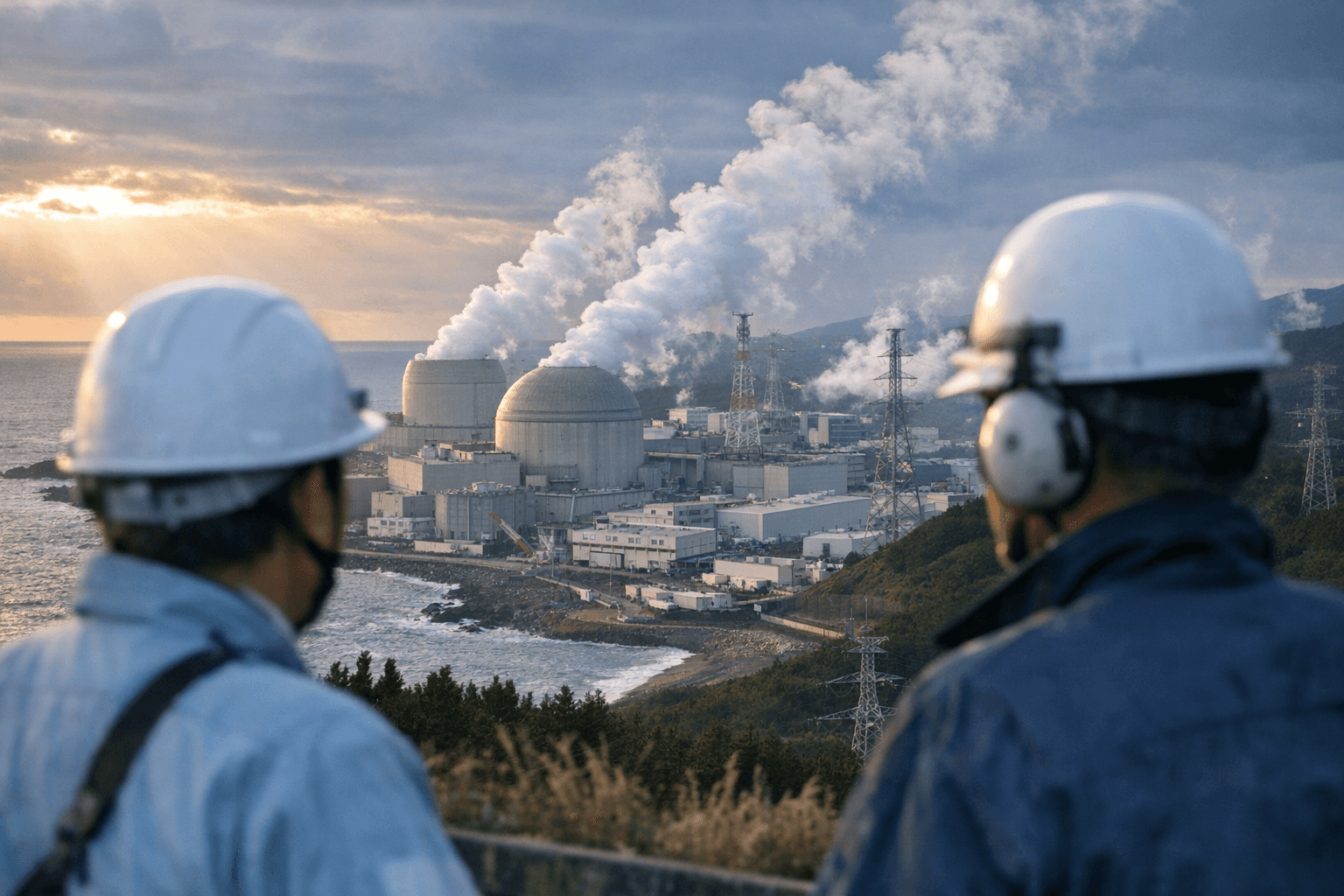
Tokyo Electric Power Company told reporters on December 24 that it planned to restart Unit No. 6 at the Kashiwazaki Kariwa nuclear complex on January 20, 2026, with commercial operations to begin "weeks later." The announcement follows green light from the Niigata prefectural assembly earlier this week and resumes a long delayed effort to bring back idled reactors at what is described as the world's largest nuclear power plant.
Unit No. 6 has a generating capacity of 1.36 gigawatts, part of an 8.2 gigawatt site whose combined output has been characterized as enough to power a few million homes. TEPCO said another unit of similar capacity is expected to come back online around 2030, though the company has not set a firm date. The planned restart would be TEPCO's first since the 2011 Fukushima Daiichi meltdowns, a disaster that reshaped Japan's energy policy and public attitudes toward nuclear power.
The local approval from Niigata was decisive in allowing the operation to proceed toward the January schedule, but it comes against a backdrop of persistent public anxiety. An October Niigata prefecture survey found 60 percent of residents believed conditions for the restart had not been met, and nearly 70 percent expressed worry about TEPCO operating the plant. Those figures underscore a gap between political authorizations and community confidence.
Units No. 6 and No. 7 were cleared by Japan's national Nuclear Regulation Authority as far back as 2017, yet reopening has been stalled by regulatory checks and additional security scrutiny. TEPCO and regulatory statements note the plant underwent multiple inspections and upgrades, and the company said on its website that it had learned "the lessons of Fukushima." An April 2022 NRA report cited an Additional Inspection Phase II to monitor new security measures and concluded identified flaws were limited to Kashiwazaki Kariwa rather than indicative of systemic company wide vulnerabilities.
Nationally, Japan has restarted roughly a third of its operable reactors under post Fukushima safety rules, with 14 of 33 reactors now back in service as the government seeks to reduce reliance on imported fossil fuels and bolster energy security. A government outline in November signaled a broader push to increase nuclear's share of electricity generation and included proposals such as a public loan system to facilitate new and restarted projects.
The restart carries implications beyond domestic energy calculations. For regional markets, reduced reliance on liquefied natural gas and oil imports could affect energy prices and supply chains across Asia. Diplomatically, Tokyo's move will be watched by neighbors wary of nuclear safety, and by international investors assessing Japan's long term policy trajectory on low carbon energy.
TEPCO has also signaled organizational shifts in anticipation of renewed operations, including plans to relocate a significant portion of its nuclear division staff to Niigata, although proposals such as developing a data center near the site were denied by the company. As the January 20 date approaches, regulators, residents and international observers will be attentive to whether technical assurances and community engagement can bridge the difficult legacy left by 2011.
This article was produced by Prism’s automated news system from verified source data, official records, and press releases, then run through automated quality and moderation checks before publishing. The system is built and supervised by the people who set the standards it runs under. Read our full AI policy.
Did this article answer your question?