JBS Swift Beef Workers End Strike, Return to Table for Contract Talks
3,800 workers at JBS Swift Beef's Greeley plant ended a three-week strike after JBS agreed to resume contract talks at a facility handling 6-7% of U.S. beef capacity.
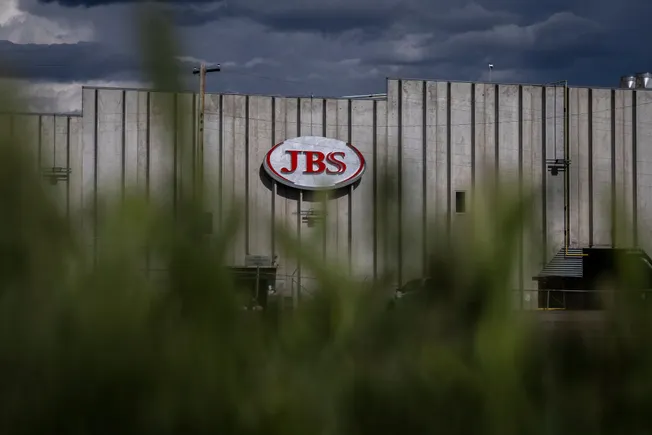
A three-week strike that left one of the country's most critical beef processing facilities nearly idle came to a provisional halt when roughly 3,800 workers at JBS USA's Swift Beef plant in Greeley, Colorado agreed to return to work in exchange for a resumption of contract negotiations.
The agreement, reached April 6, paused what had become the first major U.S. slaughterhouse strike of its scale in decades. The Greeley plant processes an estimated 6 to 7 percent of U.S. beef slaughter capacity, and the walkout had brought it to a near-complete stop, with JBS running only partial shifts and diverting some production to other facilities to limit the damage.
The strike began March 16 and was rooted in three core disputes: wages that workers said had not kept pace with inflation, the garnishment of pay to cover required personal protective equipment, and unresolved unfair labor practice complaints against JBS. The walkout landed at a moment of particular vulnerability for the beef supply chain, as a multi-year contraction in U.S. cattle inventory has left domestic supply unusually tight and consumer prices already elevated.
UFCW Local 7 President Kim Cordova made clear the return to work was not a concession. Workers "remain united and will continue to fight until JBS fully ends its unfair labor practices and gives workers a contract offer that protects them," Cordova said.
JBS took a sharply different tone, describing its last proposal as "strong and competitive" and noting it included wage increases and pension benefits. The company said it was "preparing to resume and ramp up operations at the Greeley plant next week."
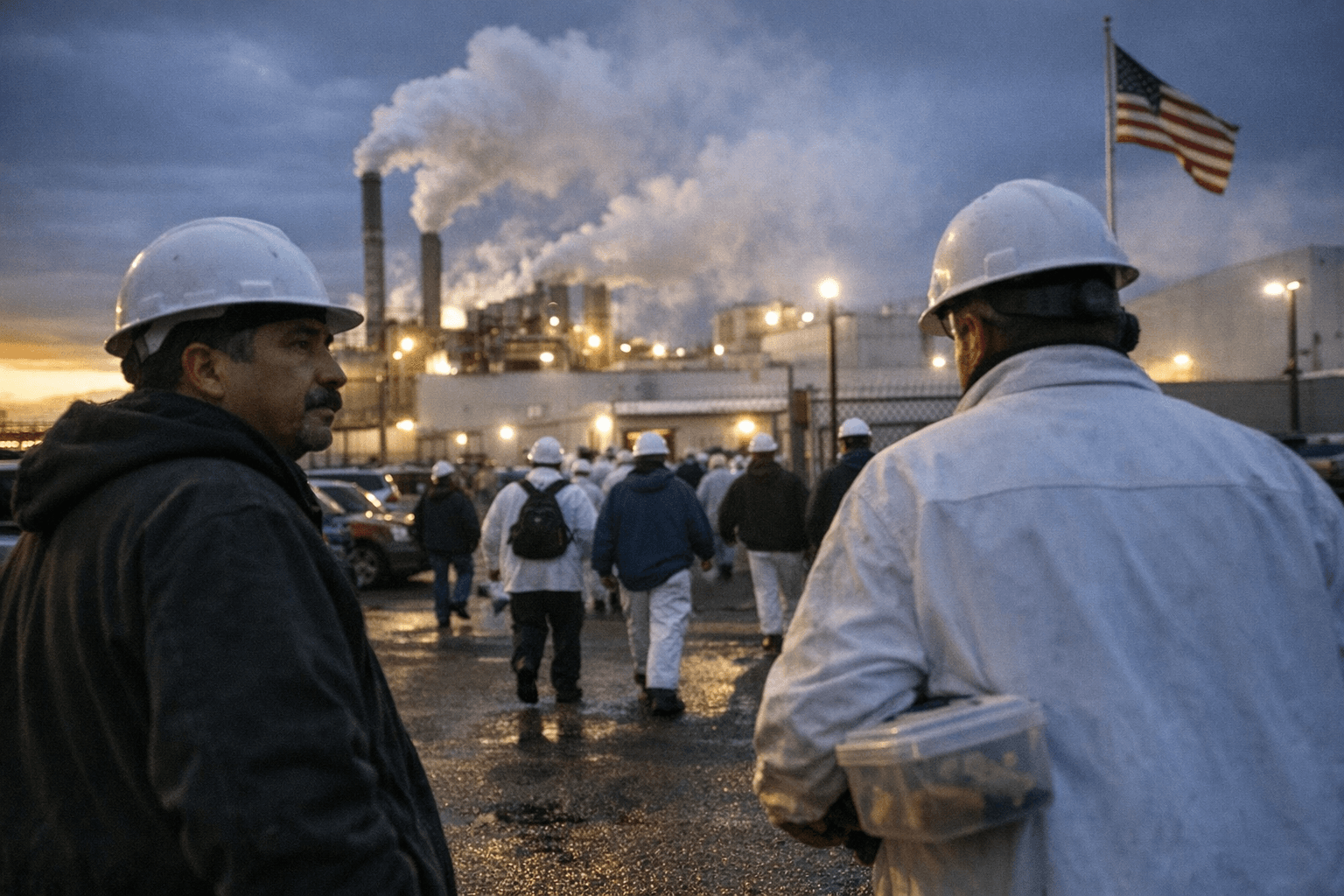
The distance between those two characterizations makes the coming days of bargaining pivotal. Both sides committed to returning to the negotiating table, but a final contract remains out of reach. If talks stall and workers walk out again, a supply chain already strained by tight cattle inventory would absorb another blow, with potential ripple effects for wholesalers and retailers nationwide.
Greeley carries particular stakes in the outcome. The Swift Beef plant is among the city's largest employers, and the terms of any eventual agreement will shape the economic footing of thousands of workers and their families in the region.
The walkout also reflects a broader shift in U.S. labor strategy in 2026: unions have grown more willing to strike at high-leverage facilities where a single stoppage can move markets. The Greeley plant, processing roughly one in every fourteen or fifteen head of U.S. beef cattle nationally, offered exactly that leverage. Whether JBS and UFCW Local 7 can bridge their differences at the table will determine if this pause becomes a resolution or simply a prelude to another confrontation.
This article was produced by Prism’s automated news system from verified source data, official records, and press releases, then run through automated quality and moderation checks before publishing. The system is built and supervised by the people who set the standards it runs under. Read our full AI policy.
Did this article answer your question?