Jet fuel shock forces airlines to cut summer routes, raise fares
Summer trips are getting pricier as jet fuel doubles, Delta and Air Canada cut routes, and travelers rush to book before fares climb again.
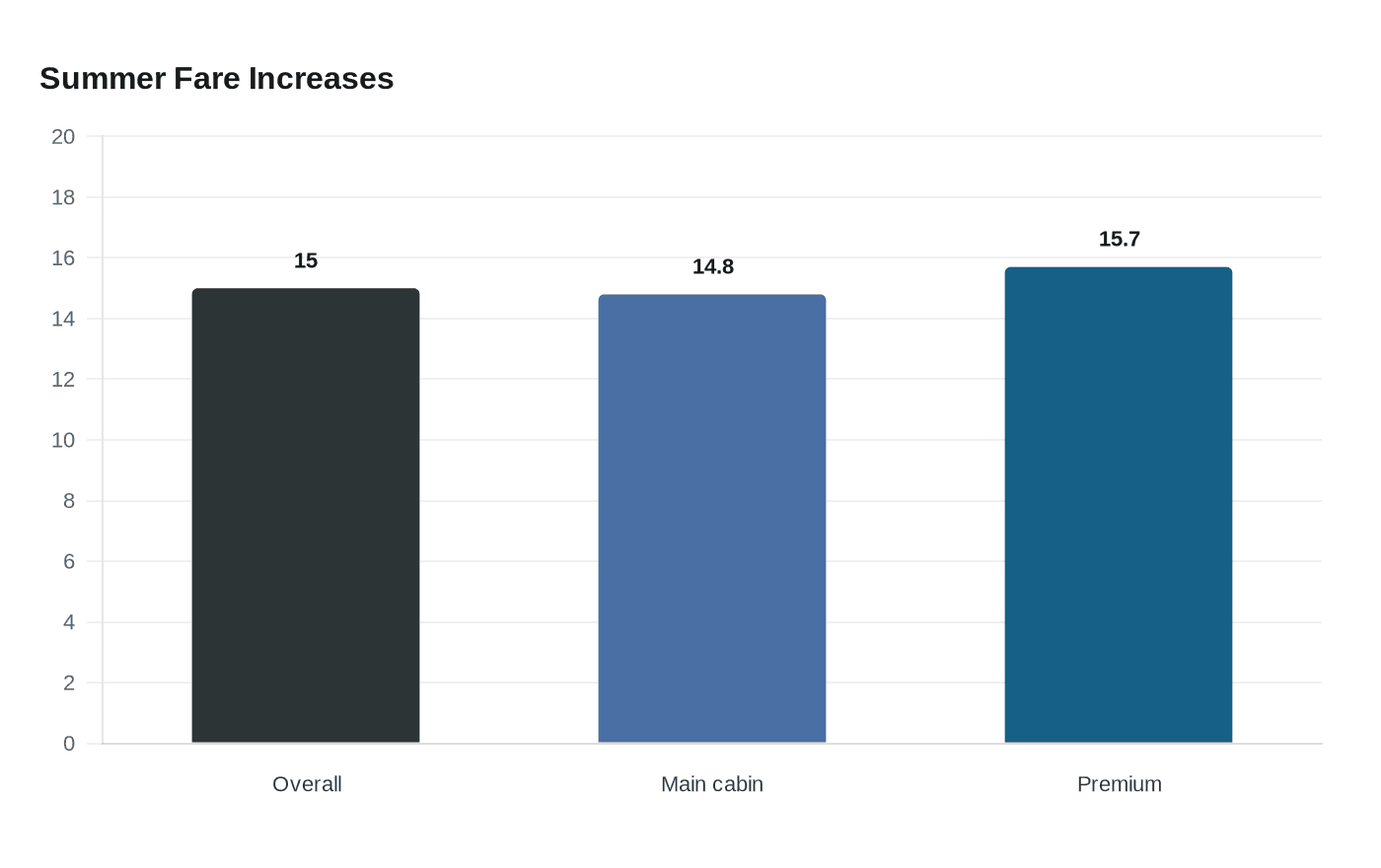
Summer travel is already costing more, and the pressure is showing up first in airfare. Domestic summer fares are trending nearly 15% higher than last year, with main-cabin cash fares up 14.8% and premium fares up 15.7%, while jet fuel prices have doubled since the war began on Feb. 28. Because fuel typically makes up about 25% to 30% of an airline’s costs, carriers are starting to protect margins the fastest way they can, by trimming routes and raising prices.
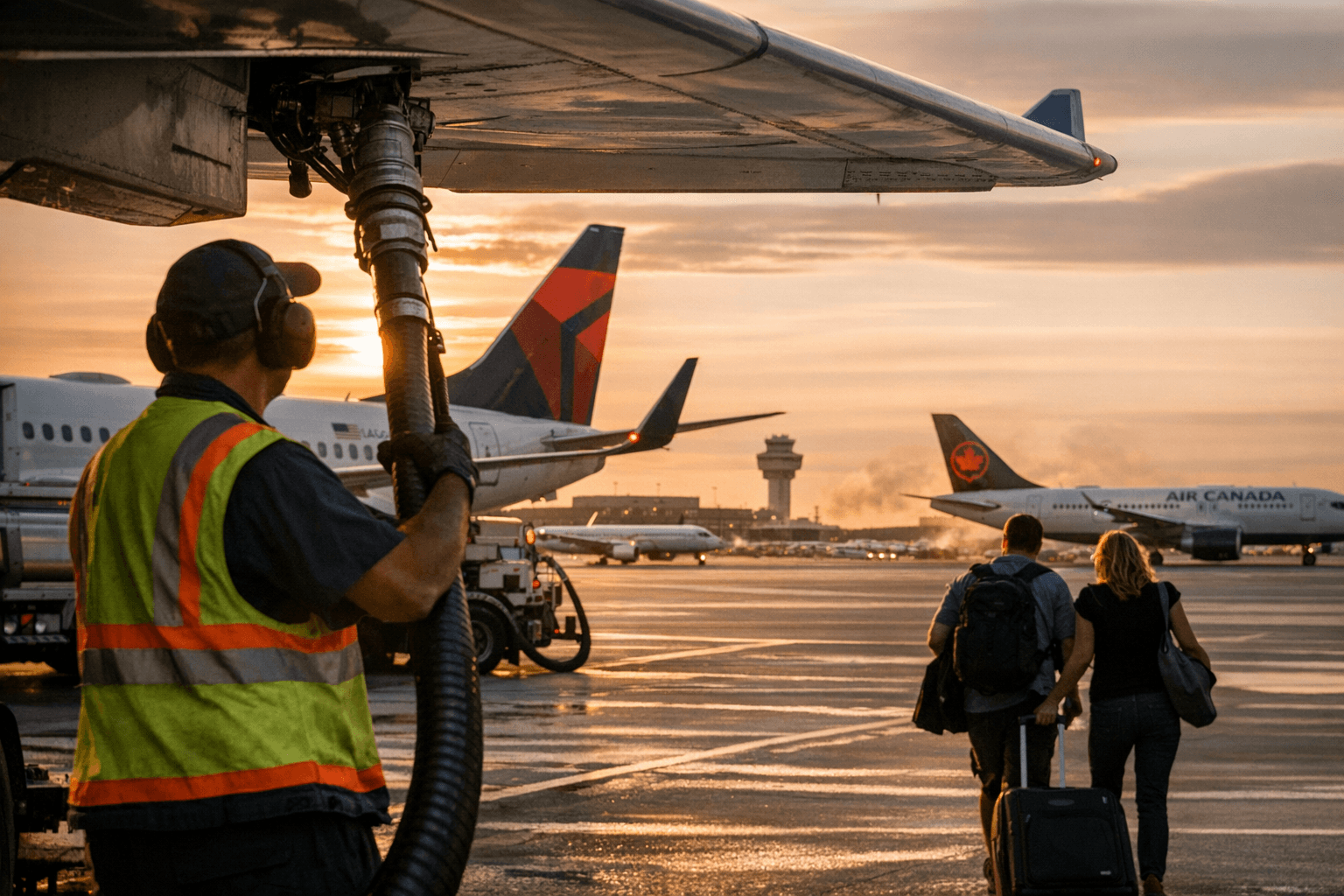
That is hitting some travelers before they even pack. Delta Air Lines is cutting four routes this summer, including JFK-Memphis, JFK-St. Louis, DTW-Reykjavik and BOS-Nassau. Air Canada is cutting Toronto and Montreal service to New York’s John F. Kennedy International Airport from June 1 through Oct. 25. When a nonstop disappears, the trip rarely stays cheap or simple; travelers may face longer itineraries, tighter connections and, in some cases, an extra hotel night on the road.
The fuel shock is not easing. U.S. jet fuel prices nearly doubled from $2.50 a gallon on Feb. 27 to $4.88 on April 2, as the effective closure of the Strait of Hormuz choked off crude and refined products. Fatih Birol of the International Energy Agency said European airports may have only about a six-week supply of jet fuel left, a sign that the strain is global and could force more schedule changes if inventories tighten further. Lufthansa has been preparing contingency plans that could include grounding aircraft, and United Airlines CEO Scott Kirby said his carrier may need to cut back flights to Asia.
The risk for consumers is that many tickets were sold before the fuel spike fully showed up in airline costs. Stephen Rooney of Tourism Economics said airlines had priced seats assuming fuel would stay stable, but now may have to cancel flights or add surcharges because some routes are no longer economic. For the next 30 to 60 days, the smartest move is to book sooner rather than later if the itinerary is important, especially on routes with limited competition or seasonal service.
Clint Henderson of The Points Guy has said the usual booking window is one to two months ahead for domestic flights and three to five months for international trips, but that playbook is under strain now. The practical priority is flexibility, on dates, airports and, if possible, the number of stops. That is especially true as more travelers react to the shock: a TPG/YouGov poll found 24% of Americans have reconsidered travel plans, 25% are booking earlier than normal because of rising prices, and 8% have already canceled trips. In a market this volatile, the cheapest fare may be the one locked in before the next fuel jump.
This article was produced by Prism’s automated news system from verified source data, official records, and press releases, then run through automated quality and moderation checks before publishing. The system is built and supervised by the people who set the standards it runs under. Read our full AI policy.
Did this article answer your question?

