Major bond investors back crisis pause clauses for developing-country debt
Big bond managers want debt pauses that can last a year, buying crisis-hit countries time without triggering default. The test is whether that is relief or just cleaner rules.
Major bond investors, including Amundi and T. Rowe Price, are backing a new clause that would let emerging-market governments halt debt payments for up to a year during a crisis without being pushed into default. The proposal is designed to give countries breathing room when disasters, conflict or sudden macroeconomic shocks hit, but it stops short of rewriting the rules for nations already drowning in unsustainable debt.
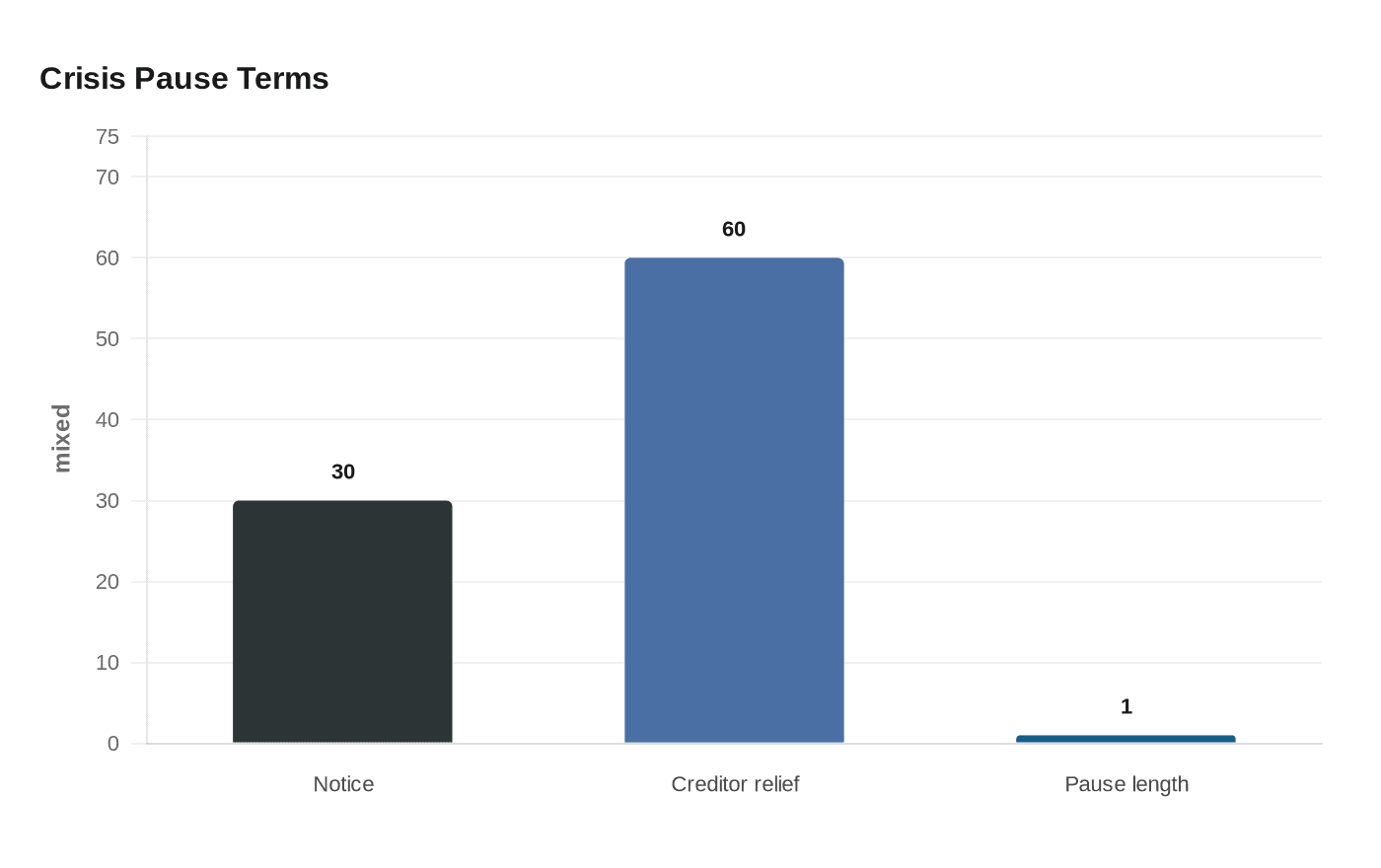
Under the plan, a government could trigger the pause by declaring a national emergency or by seeking emergency financing from the International Monetary Fund. Bondholders would need 30 days’ notice, and at least 60% of other external creditors would have to offer comparable relief. The Bondholder Working Group says the goal is a temporary liquidity tool, not a bailout for countries whose debt is already unpayable.
That distinction matters. The working group’s January 2026 FAQ says the pause would usually last up to one year and would let governments redirect cash toward emergency response instead of debt service. Its November 2025 draft described the effort as a market-based solution for resilience and transparency in emerging-market sovereign bonds, arguing that lower-income countries are more exposed to external shocks because they have fewer financing options and less fiscal room to absorb them.
The UK government said on April 17 that the proposal was developed through the London Coalition on Sustainable Sovereign Debt and builds on precedents in Barbados and Grenada. British officials said the aim is to cut the delays and uncertainty that make debt crises worse, while also protecting UK investors and businesses with exposure to emerging markets. In that framing, the clause is not a suspension of market discipline but a way to make crisis relief more predictable.
The political and market test now is whether investors view the idea as a genuine reform to sovereign debt contracts or a limited, creditor-friendly fix that still leaves poorer countries exposed when shocks keep arriving. The Bondholder Working Group, which has been meeting bi-weekly since January 2025, says current members include Aberdeen, GMO, HBK, Morgan Stanley Investment Management, Neuberger Berman, PPM America, T. Rowe Price and the Emerging Markets Investor’s Alliance. The coalition wants improved contract terms adopted and in use by mid-2026, a timeline that suggests the push is moving from theory toward standard practice.
This article was produced by Prism’s automated news system from verified source data, official records, and press releases, then run through automated quality and moderation checks before publishing. The system is built and supervised by the people who set the standards it runs under. Read our full AI policy.
Did this article answer your question?

