UK to unveil faster clean energy push as gas price shock fears grow
Britain’s power bills were set to fall by £117 this spring, but the government is moving to blunt the next gas shock before it hits households again.
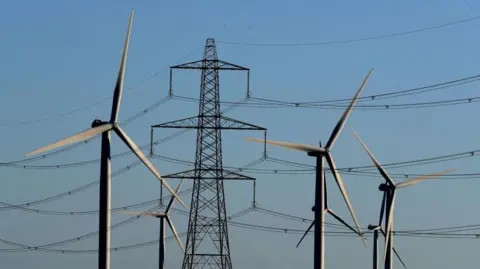
Britain’s households are still paying the price for a power system tied to gas, and ministers are moving to make that link less painful. Rachel Reeves and Ed Miliband were due to set out fresh measures on Tuesday to accelerate renewable power, reduce reliance on fossil fuels and tackle the way gas prices feed into electricity bills.
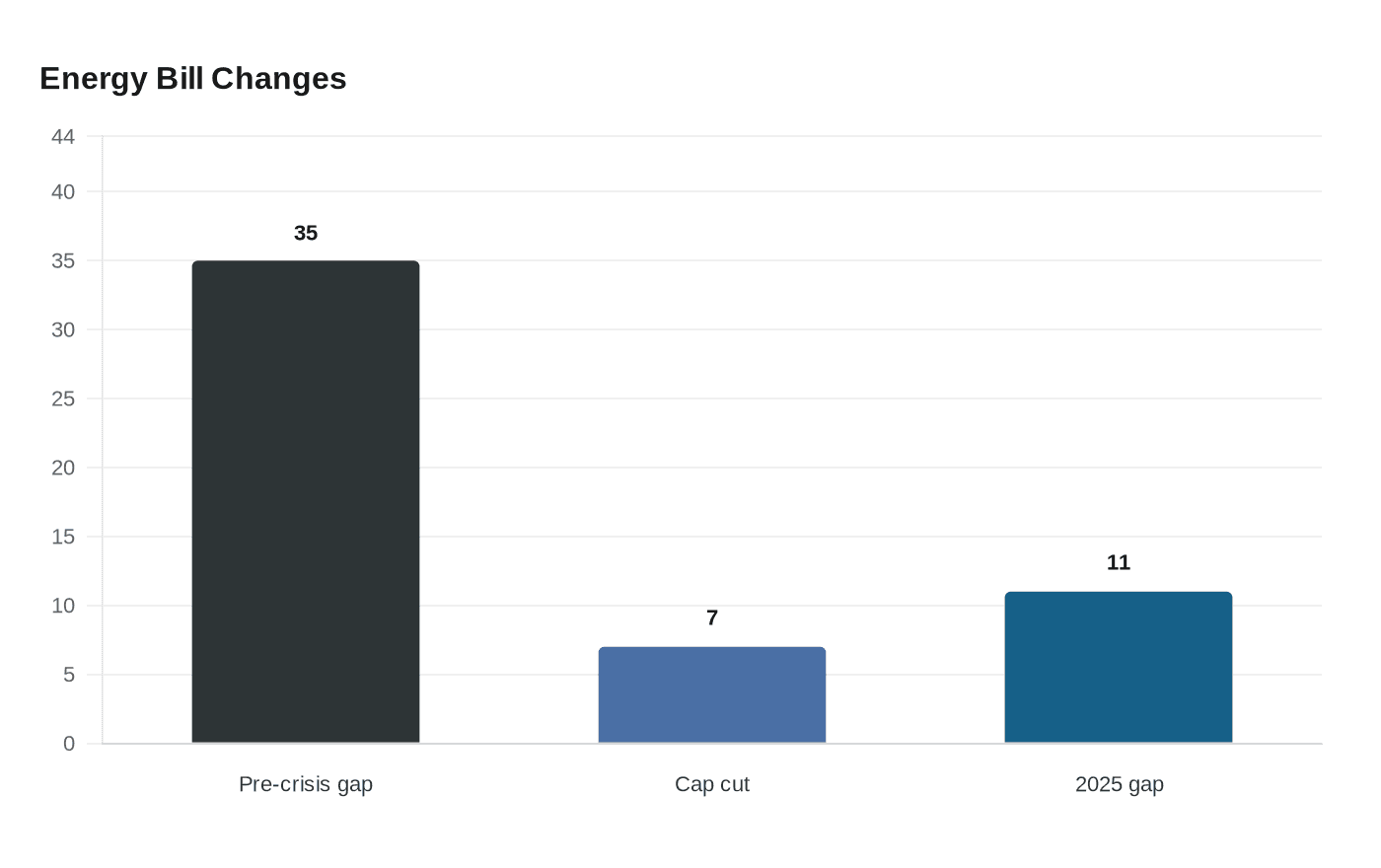
The timing reflects how fragile the household bill picture remains after the 2021-2023 energy crisis and the latest disruption from the Middle East. The House of Commons Library said the war has disrupted energy supplies and pushed up wholesale gas and electricity prices, with the July-to-September 2026 price cap, due by 27 May, likely to reflect those higher wholesale costs. Even after the latest fall in the April-June cap, the library said bills will still be 35% above pre-crisis levels.
Ofgem said on 25 February that the cap for 1 April to 30 June 2026 would drop by £117, or 7%, to £1,641 a year for a typical dual-fuel household paying by Direct Debit. That is about £10 a month less than before and £208, or 11%, below the same period in 2025. The regulator said the fall was helped by the government shifting funding for two environmental and social schemes off bills from April 2026, saving customers an average of £150, although network costs rose by £66 a year under the current framework.

The wider plan is to make sure the next gas shock does not ricochet so quickly through electricity prices. Under Britain’s marginal pricing system, the most expensive generator needed to meet demand sets the power price, which keeps electricity closely tied to volatile gas markets even as wind and solar costs have fallen. Reuters reported on 16 April that the government was drafting plans to delink gas prices from electricity costs, alongside measures to speed up renewables, planning reforms and grid upgrades.
Miliband is expected to argue that clean energy is now the route to financial security, energy security and national security. That message fits a policy line the government has already signalled: in July 2025 it confirmed it would keep a single national wholesale electricity price rather than split Britain into regional pricing zones, after a consultation process that began in 2022. Ministers say the goal is a fairer, cheaper, more secure and more efficient electricity system.
The political calculation is clear. Households gained some relief from the latest cap cut, but wholesale gas still drives the market and the next bill cycle could move higher again. The government is betting that faster deployment of domestic renewables, cleaner power and better grid infrastructure will protect consumers better than more exposure to international gas markets ever could.
This article was produced by Prism’s automated news system from verified source data, official records, and press releases, then run through automated quality and moderation checks before publishing. The system is built and supervised by the people who set the standards it runs under. Read our full AI policy.
Did this article answer your question?
%3Amax_bytes(150000)%3Astrip_icc()%2FCertificate-of-deposit-2301f2164ceb4e91b100cb92aa6f868a.jpg&w=1920&q=75)