Jet Fuel Spike Drives Flight Cuts and Higher Airline Fares
Jet-fuel costs have doubled since the Iran war began, and airlines are already trimming routes as fares start to rise.
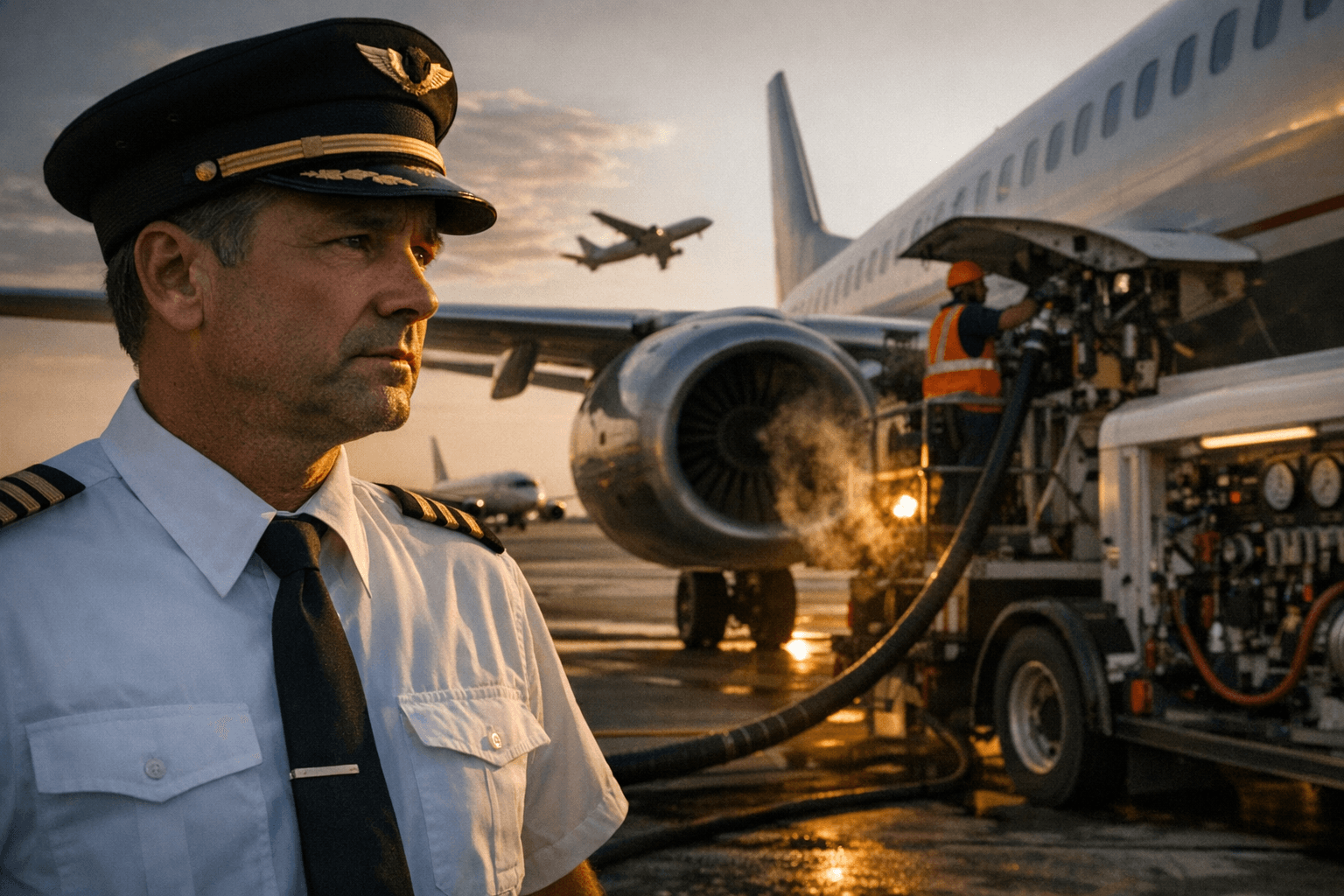
Travelers were already seeing the first signs of higher airfares: fewer routes, fuller planes and, soon, more expensive tickets. Chevron CEO Mike Wirth said flights may not be as abundant as they otherwise would have been, adding, "I think planes will probably be more full than they would have been. And yes, fares, fares could be higher."
The pressure was showing up in airline schedules. Delta Air Lines was trimming four routes this summer, including JFK-Memphis, JFK-St. Louis, DTW-Reykjavik and BOS-Nassau. Air Canada was cutting service from Toronto and Montreal to New York's JFK as jet fuel costs climbed in the wake of the Iran war.
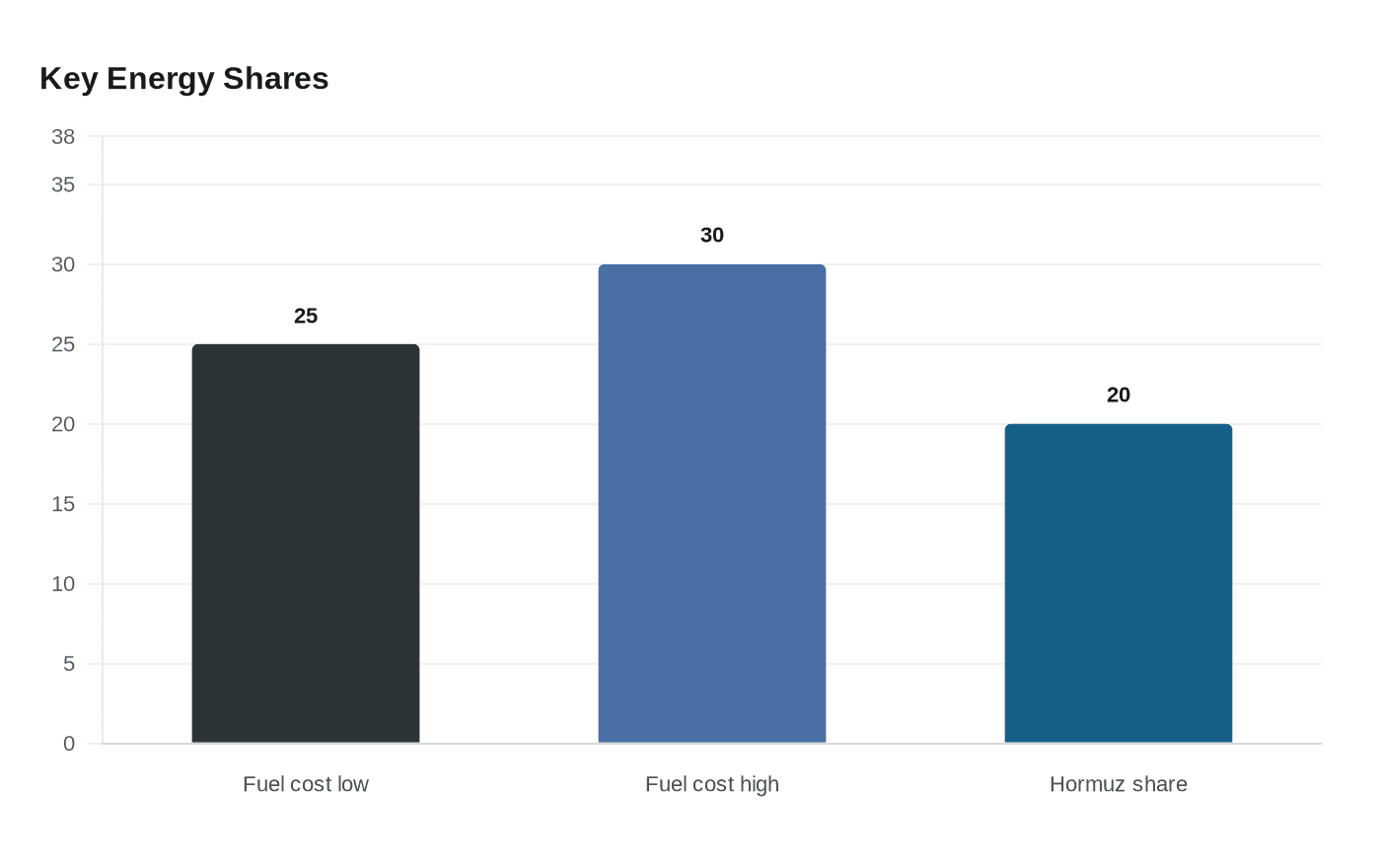
Fuel is hitting airlines quickly because it is one of their largest expenses. Industry analysts said jet fuel prices had doubled since the war began on Feb. 28, and fuel typically makes up about 25% to 30% of an airline's overall costs. That leaves carriers little room to absorb the shock without reducing capacity or raising fares.
United Airlines CEO Scott Kirby said on March 6 that rising fuel costs would have a "meaningful" impact on the carrier's results and that higher ticket prices could start "quick." Travel analyst Henry Harteveldt said airlines had already begun raising some fares, especially in premium cabins, and some carriers had added fuel surcharges on long-haul international routes. The clearest effect for consumers is likely to show up first in crowded flights and fewer scheduling choices, then in higher prices across domestic and international travel.
The broader energy market remained under strain. The International Energy Agency warned that supply-side measures alone could not offset the disruption, and Fatih Birol said European airports had about a six-week supply of jet fuel before running out if the shortage persisted. The Strait of Hormuz, which carries roughly 20% of the world's oil and energy supplies, remained the main source of market anxiety.
The Trump administration also released 172 million barrels from the U.S. Strategic Petroleum Reserve in an effort to ease pressure, but that did not erase the risk that energy costs could stay elevated for weeks or longer. For airlines, the threat was immediate. Higher fuel bills cut into margins almost overnight, and route cuts are often the fastest way to protect profitability. For families planning summer trips, that means fewer nonstop options, tighter seat supply and fares that can move up before the season fully begins.
This article was produced by Prism’s automated news system from verified source data, official records, and press releases, then run through automated quality and moderation checks before publishing. The system is built and supervised by the people who set the standards it runs under. Read our full AI policy.
Know something we missed? Have a correction or additional information?
Submit a Tip