Johnny Garcia wins Texas' 35th District Democratic runoff over Maureen Galindo
Johnny Garcia’s sheriff’s-office résumé helped him flip a bruising runoff in Texas’ newly redrawn 35th District.
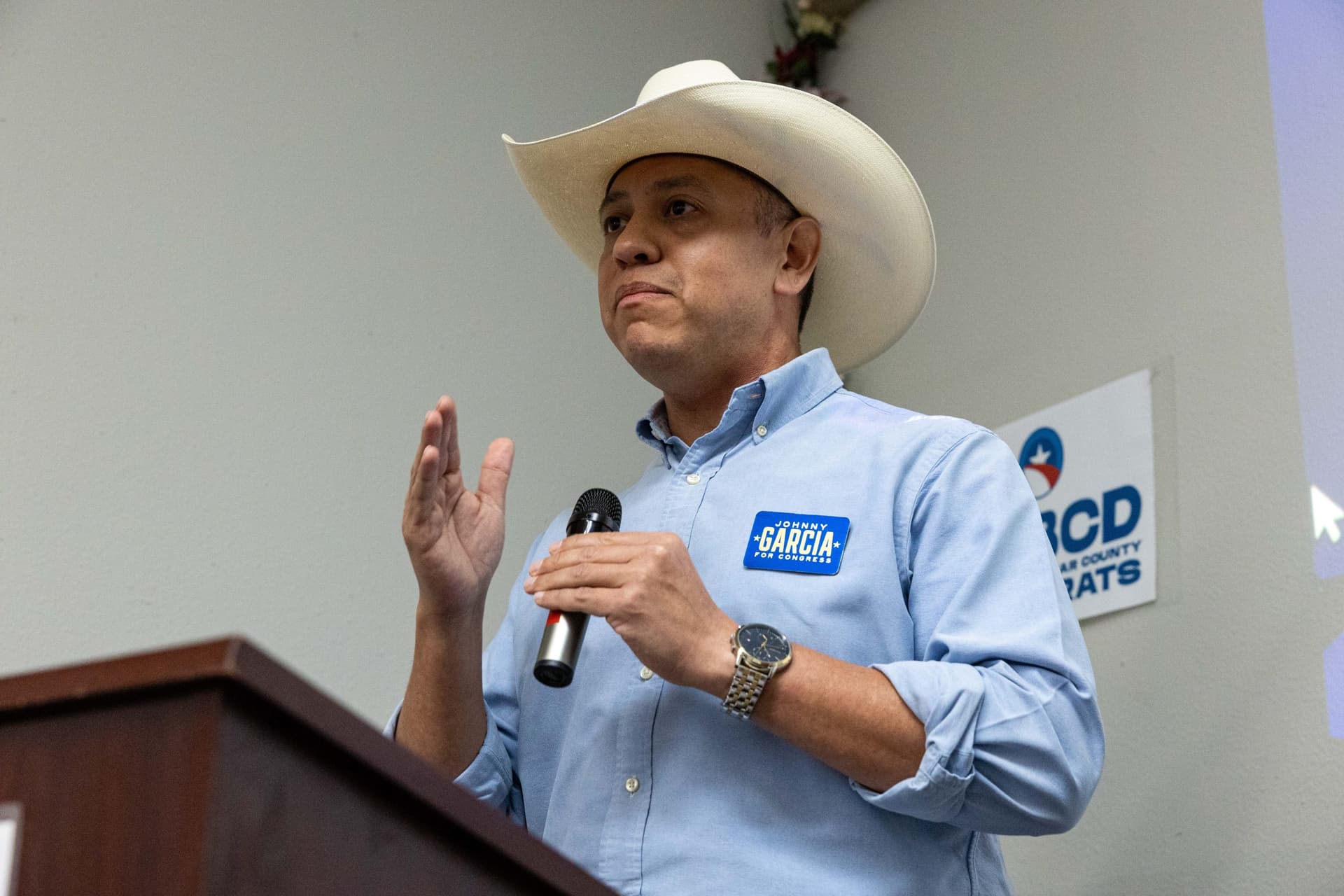
Johnny Garcia, a Bexar County Sheriff’s Office public information officer and veteran deputy, beat Maureen Galindo in the Democratic runoff for Texas’ 35th Congressional District, in a race that showed how a law-enforcement profile can sometimes outshine more traditional partisan cues.
Garcia led the runoff with 59.5% to Galindo’s 40.5% in early returns, and the race was called later that evening. Galindo had finished first in the March 3 Democratic primary, but she fell short of the majority needed to avoid a runoff, sending the San Antonio-area contest to a second round on May 26.
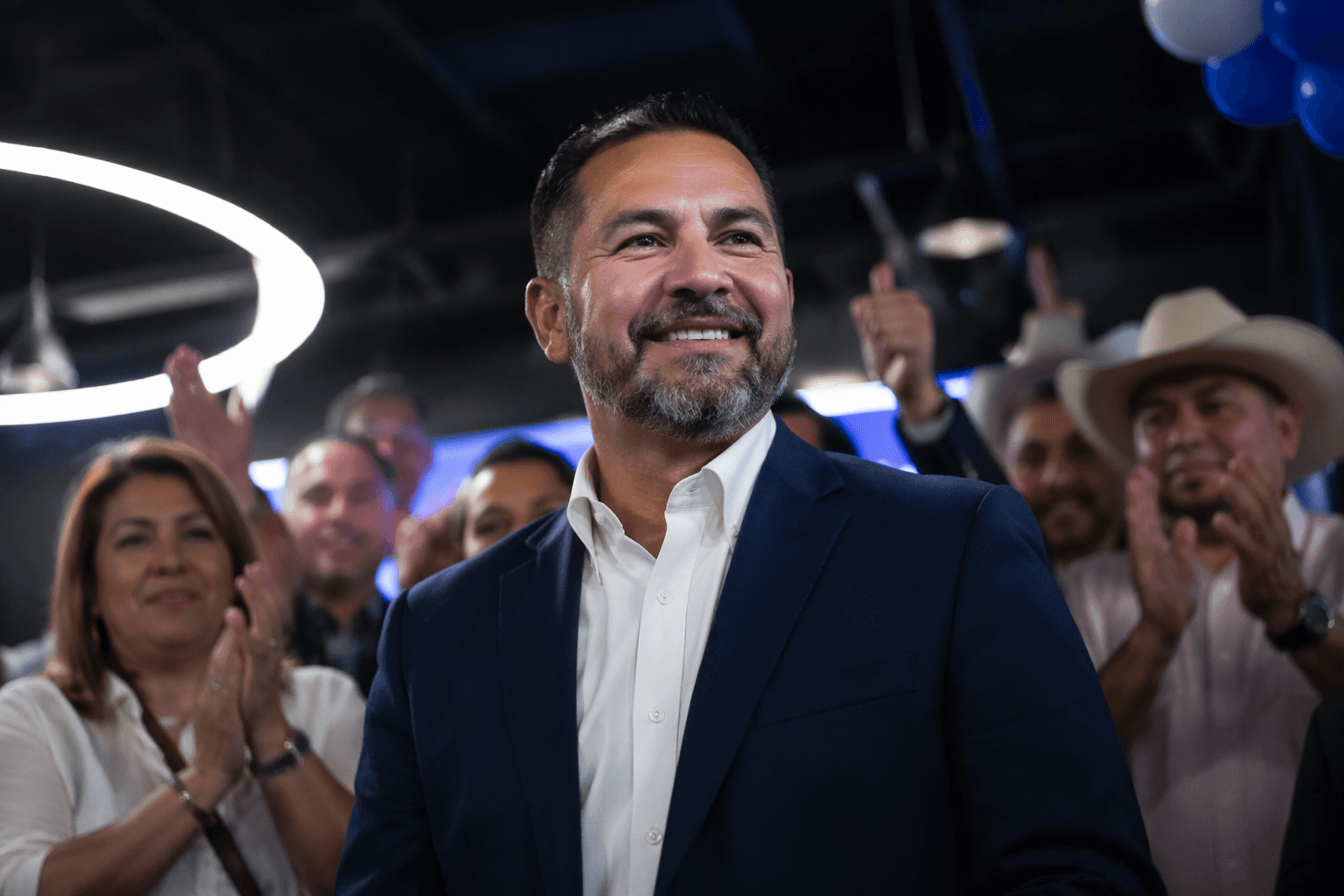
The result carried national weight because Galindo faced fierce backlash from Democratic leaders over social media posts they described as antisemitic. House Minority Leader Hakeem Jeffries and Democratic Congressional Campaign Committee chair Suzan DelBene condemned her remarks, and the party’s House campaign arm stepped in late in the race to support Garcia. The DCCC also added Garcia to its Red to Blue program, a sign that national Democrats saw him as the stronger general-election option.
That judgment now matters in a district that Texas redrew in August 2025 to favor Republicans at President Donald Trump’s urging. Texas’ 35th District, which stretches across San Antonio, eastern Bexar County and parts of Guadalupe, Wilson and Karnes counties, is one of five Texas seats Republicans are targeting for pickups this fall. The new lines are widely viewed as making the district more Republican-leaning, even as Democrats still consider it competitive.
Garcia will face Republican nominee Carlos De La Cruz in the November 3 general election. For Democrats, the runoff result suggested that voters in the district may have rewarded a candidate with sheriff’s-office credentials and a public-safety résumé over a nominee defined more by ideological alignment and party conflict. Whether that reflects a broader appetite inside Democratic primaries for candidates with policing backgrounds, or a response unique to a district reshaped to favor Republicans, will become clearer only if similar contests across Texas and beyond produce the same result.
This article was produced by Prism’s automated news system from verified source data, official records, and press releases, then run through automated quality and moderation checks before publishing. The system is built and supervised by the people who set the standards it runs under. Read our full AI policy.
Know something we missed? Have a correction or additional information?
Submit a Tip