Judge bars federal officers from tear-gassing peaceful Minneapolis protesters
A judge barred federal officers from detaining or tear-gassing peaceful Minneapolis protesters, limiting Operation Metro Surge tactics and raising public health and civil rights concerns.
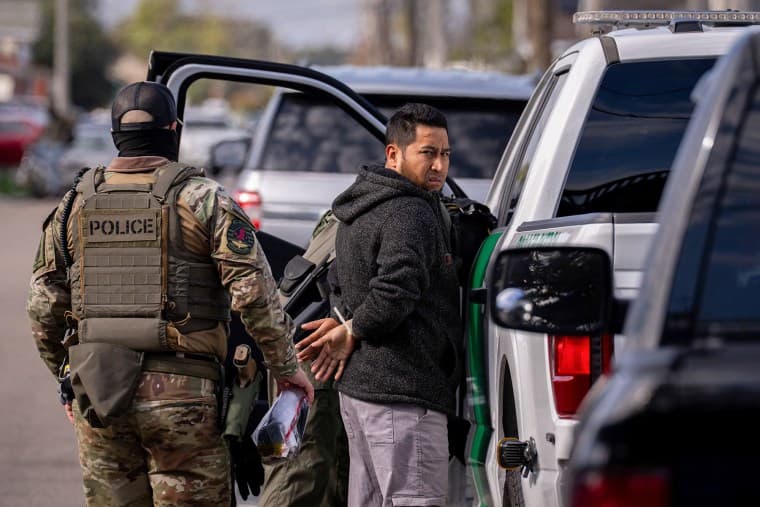
A federal judge barred immigration officers deployed to the Minneapolis–St. Paul area from detaining or using tear gas, pepper spray and other crowd-control munitions against people who were peacefully protesting or lawfully observing enforcement actions, unless officers had reasonable suspicion that a person was obstructing law enforcement or had committed a crime.
U.S. District Judge Kate Menendez issued the injunction in mid-January, restricting tactics by personnel from Immigration and Customs Enforcement, U.S. Customs and Border Protection and Department of Homeland Security staff who are participating in Operation Metro Surge. The court order, roughly 80 pages in length, also prohibited agents from stopping vehicles that were following officers so long as those vehicles maintained an appropriate distance.
The injunction stems from a December lawsuit filed on behalf of six Minnesota activists who contend that federal officers infringed their constitutional rights while observing immigration enforcement operations. The activists are among thousands who have gathered to watch and document enforcement activity since the operation began. Plaintiffs say confrontations escalated after the fatal shooting of Renee Good by an ICE agent earlier in January, a development that intensified community scrutiny and protests.
The judge’s order forbids detentions and arrests of peaceful demonstrators and bystanders who are recording agents’ activities, unless officers can point to reasonable suspicion of obstruction or criminal conduct. It explicitly bars use of pepper spray, tear gas, pepper balls and other nonlethal dispersal tools against people engaged in peaceful, unobstructive protest activity.
Federal officials defending the enforcement effort have described assaults and property damage in some confrontations. In a public statement, McLaughlin cautioned that "rioting is dangerous," asserted that "obstructing law enforcement is a federal crime and assaulting law enforcement is a felony," and said officers "followed their training and used the minimum amount of force necessary to protect themselves, the public, and federal property."
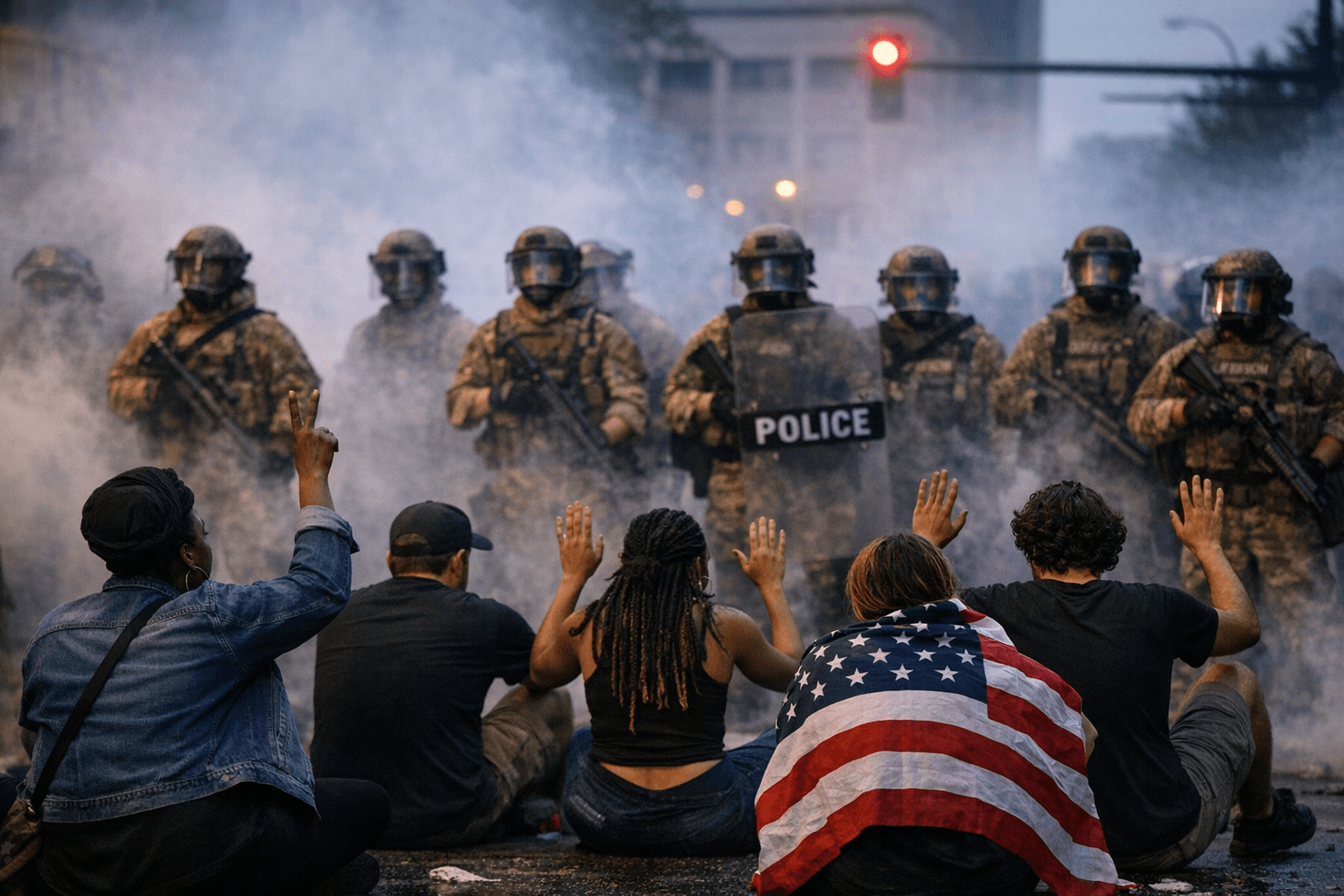
Public health experts and community advocates say the use of chemical irritants in populated neighborhoods imposes wide-ranging harms beyond immediate injury. Tear gas and similar agents can provoke respiratory distress, exacerbate asthma and other chronic conditions, and complicate care for people who rely on transit to reach medical services. In a city still managing long-term fallout from respiratory disease outbreaks and stark health inequities, exposure to crowd-control chemicals threatens the most vulnerable residents and strains local emergency services.
The injunction raises broader questions about oversight, coordination and accountability when federal immigration operations intersect with local communities. Public health officials note that dispersal tactics can scatter crowds, increasing the risk of injury and making it harder for emergency responders to reach people in need. Civil rights advocates say the ruling affirms the right to observe and document law enforcement, a core check on government power that is especially salient in communities of color that have historically borne disproportionate enforcement.
As the injunction takes effect, local health clinics, hospitals and community organizations are monitoring for potential downstream impacts, including respiratory complaints and trauma related to confrontations. Legal challenges and additional motions in the case are expected, and the ruling will likely shape how federal officers are allowed to operate while the city contends with competing demands for public safety, public health and civil liberties.
This article was produced by Prism’s automated news system from verified source data, official records, and press releases, then run through automated quality and moderation checks before publishing. The system is built and supervised by the people who set the standards it runs under. Read our full AI policy.
Did this article answer your question?