Judge blocks Trump SNAP conditions tied to gender, immigration issues
A federal judge halted new SNAP conditions that could have tied food aid to gender and immigration rules, freezing a clash over state power and benefits.

A federal judge has temporarily blocked the Trump administration from enforcing new SNAP conditions that could have changed how states administer food aid for millions of low-income households. The ruling stops the Agriculture Department from pressing states to accept policy requirements tied to gender ideology, immigration and fair athletic opportunities for women and girls while the case moves forward.
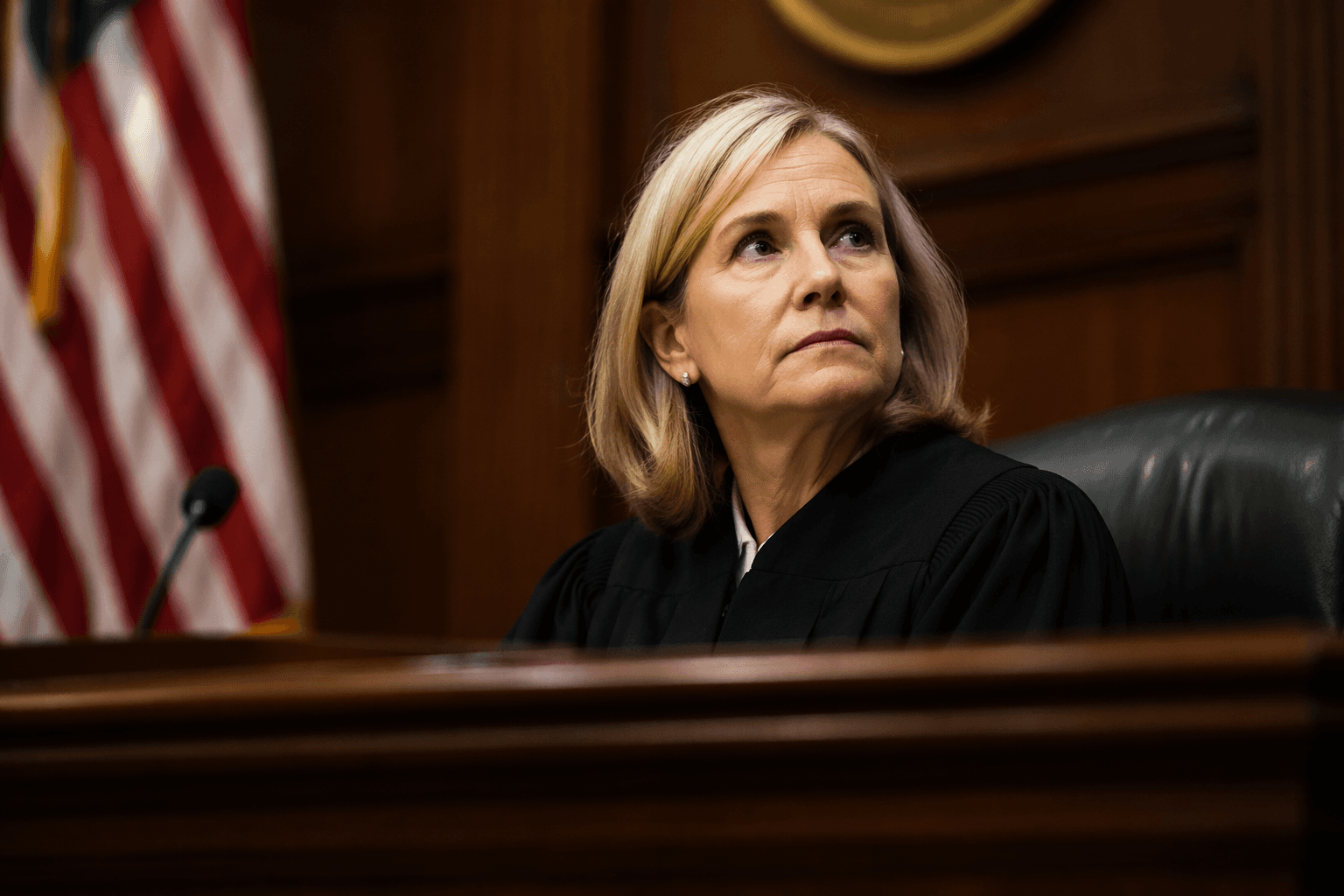
U.S. District Judge Myong Joun granted a preliminary injunction on June 5 in the U.S. District Court for the District of Massachusetts in Massachusetts v. U.S. Department of Agriculture, No. 1:26-cv-11396. The lawsuit was brought by 20 Democratic states, which argued that the department had put unconstitutional and unlawful roadblocks between programs created by Congress and the states that depend on them. Joun said he would issue a memorandum later explaining the ruling.
The decision matters well beyond the courthouse. SNAP helps about 39 million Americans, roughly one in 9 people, buy groceries. Preliminary Agriculture Department data showed SNAP enrollment fell by nearly 4.3 million from January 2025 to January 2026, a drop experts have linked to major new requirements in a Republican tax-and-spending bill passed last summer. The states also warned that the department’s conditions could spill into other programs, including the Emergency Food Assistance Program, WIC, school lunches, firefighting programs and university-level agricultural research.
The administration defended the conditions as a way to improve stewardship of taxpayer dollars and ensure compliance with federal laws, regulations and policies. The states said the requirements were vague, extraneous and unreasoned ideological tests that the federal government was trying to use to reshape a program Congress intended to feed families. The ruling extends a run of legal setbacks over SNAP policy and underscores the limits of executive power when Washington tries to attach new policy strings to longstanding federal aid.
Massachusetts has been at the center of the fight before. Last fall, Attorney General Andrea Joy Campbell said more than 40 million Americans rely on SNAP and argued that the federal government had contingency funds available during a separate shutdown dispute. On October 10, 2025, USDA told states it might not have enough money for full November benefits for about 42 million people if the shutdown dragged on. A separate Massachusetts-led lawsuit over that episode led a court to order the department to use SNAP contingency funds. The new injunction keeps the immediate focus on whether the administration can use food aid to pressure states into adopting its broader policy agenda.
This article was produced by Prism’s automated news system from verified source data, official records, and press releases, then run through automated quality and moderation checks before publishing. The system is built and supervised by the people who set the standards it runs under. Read our full AI policy.
Know something we missed? Have a correction or additional information?
Submit a Tip