Nancy Mace’s fifth-place finish leaves political future uncertain
Nancy Mace finished fifth in South Carolina’s seven-candidate GOP primary, losing her home county and district and casting doubt on her next move.

Nancy Mace’s fifth-place finish in South Carolina’s Republican governor primary exposed the limits of a campaign built on national attention and confrontation. In a seven-candidate field, Mace fell well outside the top two, while Lt. Gov. Pamela Evette and state Attorney General Alan Wilson advanced to a June 23 runoff.
The race to succeed term-limited Republican Gov. Henry McMaster drew heavy participation before Election Day. The South Carolina Election Commission said more than 318,600 ballots were cast during the state’s record-breaking early voting period, underscoring how much interest the contest had generated before the June 9 primary.
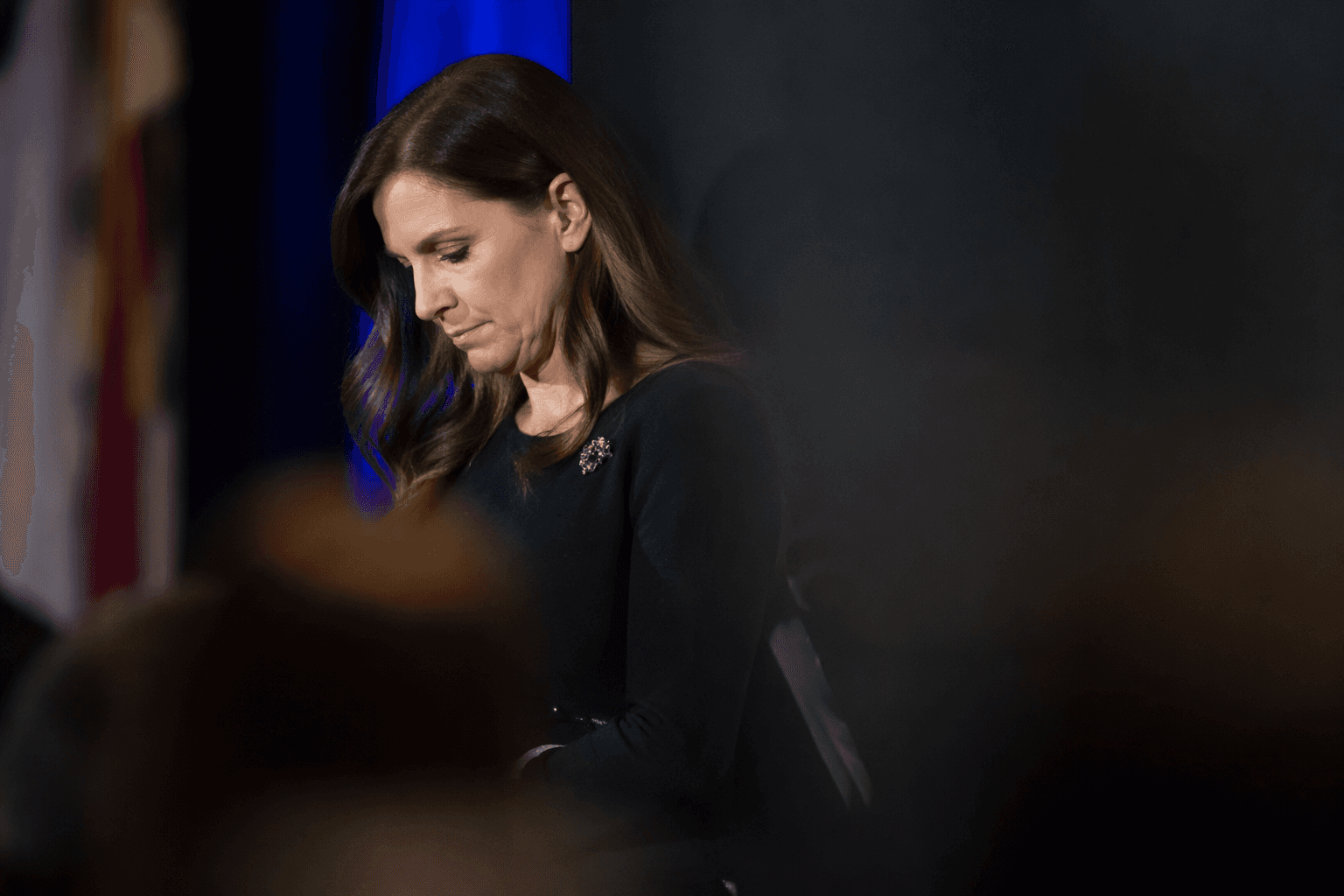
Mace entered the race with one of the most recognizable brands in South Carolina politics, but that visibility did not translate into statewide strength. Her campaign leaned into a style that had long defined her political rise: sharp attacks, attention-seeking messaging and a willingness to shift alliances when it suited her. She tried to win back Donald Trump even after criticizing him over the Jan. 6 attack on the United States Capitol, and she kept pressing Republican allies to release files tied to the Jeffrey Epstein investigation.
In the final days, Mace also embraced a hard-edged proposal to bar people not born in the United States from serving in political office or as judges, a stance that matched the increasingly national profile she cultivated. But the campaign struggled to build the infrastructure usually needed in a statewide primary. Fundraising lagged, television advertising was thin and the operation relied heavily on social media, one of Mace’s strongest tools but not enough to overcome a crowded field.
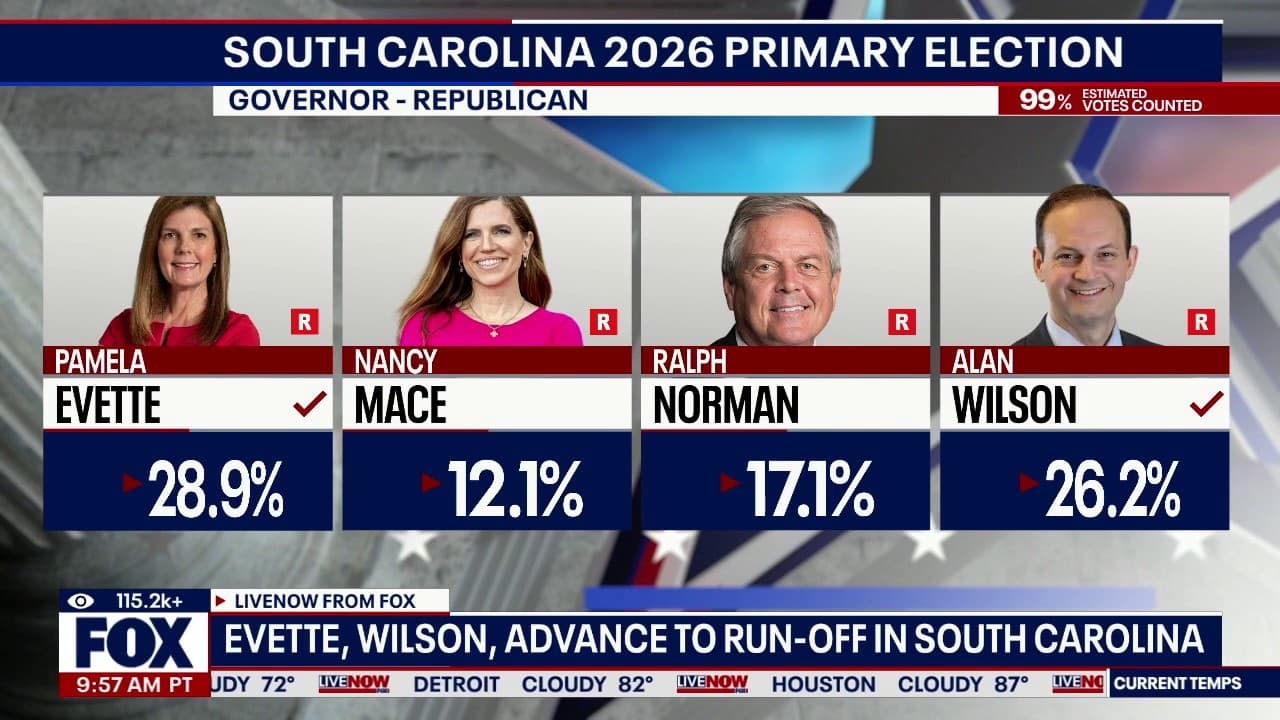
Her defeat was especially sharp because reports said she lost even in her home county and district, a sign that her brand of high-drama politics did not hold up well when tested against local organizing and broader Republican appeal. Trump had endorsed Evette, and the runoff now gives Evette and Wilson a clearer path to the nomination while removing one of the state’s most visible candidates from the governor’s race.

Mace later said she would return to the private sector when her House term ends in January 2027. That leaves her future open, but the primary made one thing clear: in South Carolina Republican politics, national attention can still amplify a candidate, but it cannot replace a durable local coalition.
This article was produced by Prism’s automated news system from verified source data, official records, and press releases, then run through automated quality and moderation checks before publishing. The system is built and supervised by the people who set the standards it runs under. Read our full AI policy.
Know something we missed? Have a correction or additional information?
Submit a Tip