California voters approve Newsom's redistricting bid ahead of 2026 elections
California’s new map was sold as a five-seat gain for Democrats, but the first primaries showed one redrawn district still shut them out.
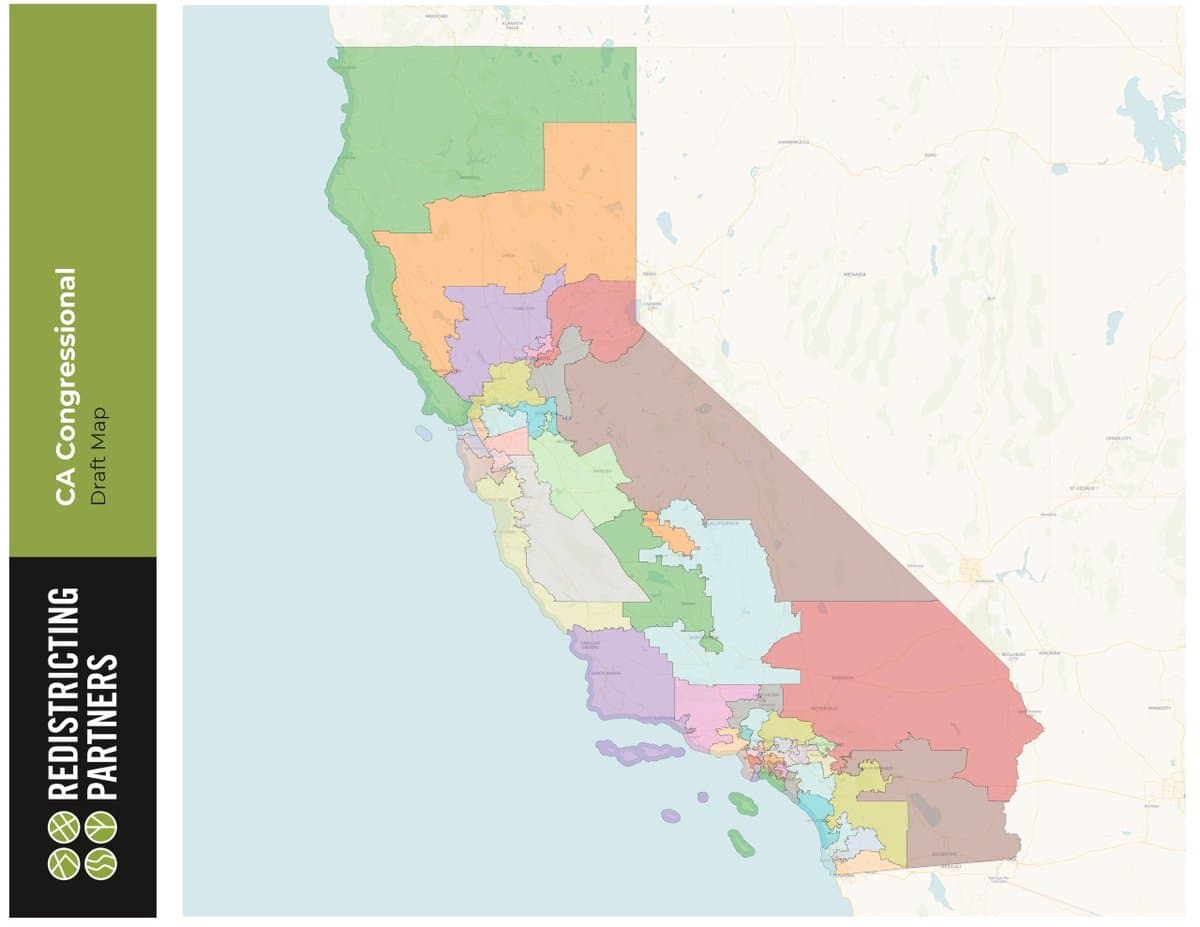
California voters gave Gavin Newsom’s redistricting push a green light, approving Proposition 50 on November 4, 2025, and temporarily handing lawmakers a new congressional map for the 2026 elections. The measure was designed to offset Republican gains elsewhere and give Democrats up to five more House seats in a state where they already held 43 of 52 districts before the redraw.
That bet has now met its first real test. The June 2, 2026 primaries were the first major election under the new lines, and California’s top-two system sent the two highest vote-getters in each race to November regardless of party. A record 289 candidates crowded the field across the state’s 52 congressional districts, but the result did not match every expectation built into the new map.
Democrats aimed the plan at five Republican-held seats, targeting Doug LaMalfa, Kevin Kiley, Ken Calvert, Darrell Issa and David Valadao. The map was also supposed to make about five Democratic-held toss-up districts safer. Instead, all five substantially redrawn districts were on the ballot in June, and Democrats were shut out in the more GOP-leaning sixth district, a warning sign that new boundaries do not automatically produce the partisan outcome their architects want.
The stakes are larger than one primary. California Democrats framed Proposition 50 as a response to Texas Republicans’ mid-decade redistricting effort, and the Democratic Congressional Campaign Committee argued the move was necessary to counter GOP mapmaking in states such as Texas and protect House control in 2026. But the state’s own experience shows how much depends on voter behavior, candidate quality and local geography, not just the shape of the districts. In Sacramento, for example, city councilwoman Mai Vang advanced to a November contest against Rep. Doris Matsui in a Democrat-on-Democrat race, underscoring how top-two primaries can scramble the simple partisan script mapmakers hope for.
Opposition was immediate and forceful. Former Gov. Arnold Schwarzenegger attacked the measure and defended the independent redistricting commission model, while former House Speaker Kevin McCarthy helped lead Republican resistance. The plan is temporary, with the commission expected to regain authority after the 2030 Census, but the fight over Proposition 50 has already become a test case for whether aggressive redistricting can reliably engineer gains in a polarized state. California’s first answer is mixed: the map changed the battlefield, but it did not erase the voters.
This article was produced by Prism’s automated news system from verified source data, official records, and press releases, then run through automated quality and moderation checks before publishing. The system is built and supervised by the people who set the standards it runs under. Read our full AI policy.
Know something we missed? Have a correction or additional information?
Submit a Tip