Judge rejects bid to block DOJ anti-weaponization fund, warns against delay
The judge refused to freeze the $1.776 billion anti-weaponization fund, but warned the Justice Department not to keep the option alive behind the scenes.
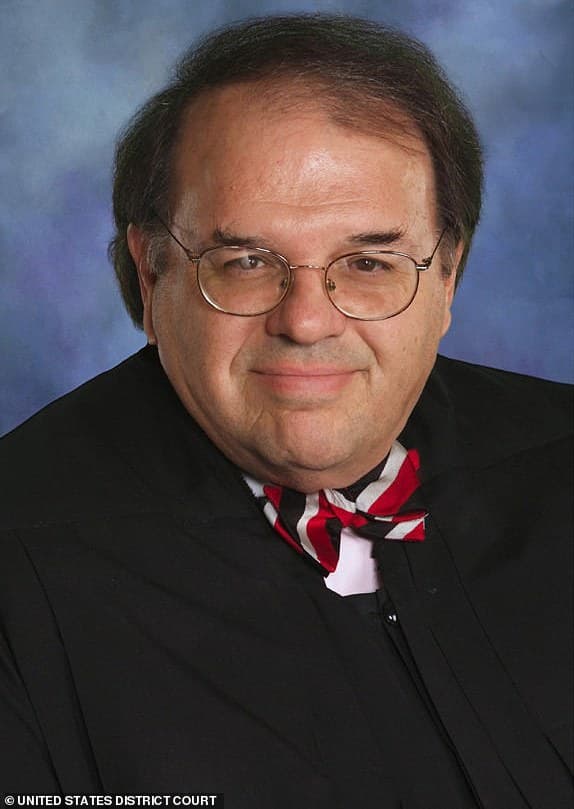
A federal judge declined to block the Justice Department’s $1.776 billion anti-weaponization fund, but left the government under a clear warning: do not say the fund is dead while keeping it available for later use. U.S. District Judge Richard Leon said the case appeared moot after Acting Attorney General Todd Blanche told Congress the administration was not moving forward, yet Leon also made plain that the court would keep watching.
The fund was created in a May 18, 2026 Justice Department order as part of a settlement in President Donald J. Trump v. Internal Revenue Service, No. 1:26-cv-20609, in the Southern District of Florida. The agreement came after Trump dropped a $10 billion lawsuit over the leak of his tax returns. Under the order, the money was to be transferred within 60 days to a designated account for the sole use of the fund, which was designed to finance compensation and apologies for people claiming harm from federal “weaponization” and lawfare.
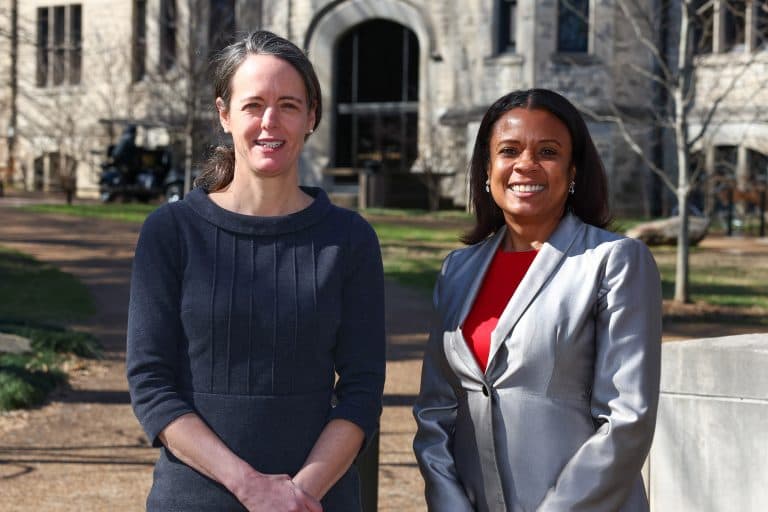
Citizens for Responsibility and Ethics in Washington filed suit on May 22, arguing the arrangement was unconstitutional, violated multiple federal laws and bypassed Congress. The watchdog also warned that taxpayer money could flow to the president’s allies, including potentially Jan. 6 rioters pardoned by Trump. CREW lawyer Nikhel Sus argued in court that Blanche’s June 2 testimony was not enough because the Justice Department had not formally rescinded the May 18 settlement agreement.
Blanche told the House Appropriations Subcommittee for Commerce, Justice, Science, and Related Agencies on June 2 that the administration was “not moving forward with the fund, period,” but he refused to put that assurance in writing. In Wednesday’s hearing, Leon said he was skeptical that a written commitment from the government could be brushed aside so easily, and he reminded Justice Department lawyers that sanctions could follow false statements to the court. He also questioned why Blanche had not formally rescinded the order.
The case now sits in legal limbo. Leon said a separate order from U.S. District Judge Leonie Brinkema in Alexandria had already frozen work on the fund, though Leon suggested that order looked like an “administrative stay” that district judges may not have authority to issue. That leaves practical oversight resting on a mix of unfinished injunction proceedings, the threat of sanctions and the court’s insistence that the government not evade review by keeping the fund dormant in public while preserving it in private.
The fight has drawn backlash from both Democrats and Republicans, who complained about weak guardrails and little transparency in a program that could reach politically sensitive recipients. Trump later said in an interview recorded days after Blanche’s testimony that he thought the fund was a “great idea” and would be disappointed if it were not approved, sharpening the court’s concern that the administration might still want to keep the option alive.
This article was produced by Prism’s automated news system from verified source data, official records, and press releases, then run through automated quality and moderation checks before publishing. The system is built and supervised by the people who set the standards it runs under. Read our full AI policy.
Know something we missed? Have a correction or additional information?
Submit a Tip