Netanyahu says he will seek re-election after Trump raises doubts
Trump’s public doubts put Netanyahu on the defensive as a June poll found 61% of Israelis did not want him to run again.
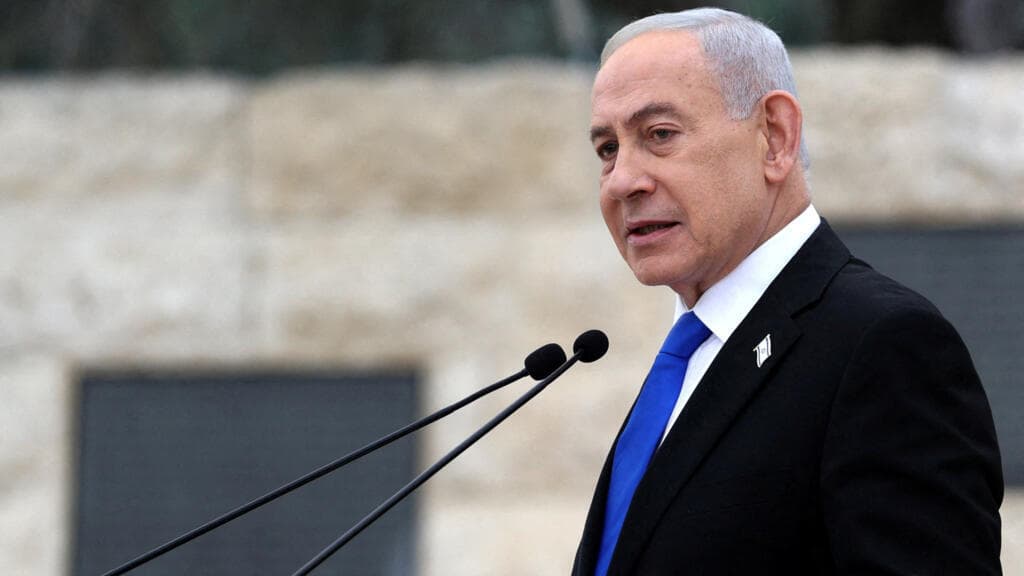
Benjamin Netanyahu moved quickly to close down a public question about his future, with Likud saying he would seek re-election after Donald Trump openly wondered whether the Israeli prime minister planned to run again. The exchange landed at a sensitive moment for Netanyahu: he remains Israel’s dominant political figure, but he is also entering a vote shaped by war, protest and a hardening public verdict on his leadership.
The next scheduled Knesset election is set for October 27, 2026, and unless the parliament dissolves early, Israelis will choose all 120 members of the 26th Knesset on that date. That vote would be the first since the October 7, 2023 Hamas attack, the security catastrophe that led to the war in Gaza and reshaped Israeli politics around questions of blame, deterrence and endurance.
Netanyahu’s standing remains formidable inside the right, but the numbers outside his base are grim. A survey by the Israel Democracy Institute, conducted from May 31 to June 5, found that 61% of Israelis overall and 57% of Jewish Israelis either did not think Netanyahu should run or were certain he should not. The same poll found 61% support for term limits for future prime ministers after Netanyahu, a sign that the debate has shifted beyond one election to the rules of leadership itself.
The opposition, however, still faces a difficult path to power. Polling has repeatedly suggested Netanyahu’s bloc would lose its majority, but coalition arithmetic could still frustrate his opponents unless they can bring in Arab parties, a move some opposition figures have resisted. That leaves the anti-Netanyahu camp with a familiar problem: enough public frustration to weaken the prime minister, but not necessarily enough agreement to replace him.
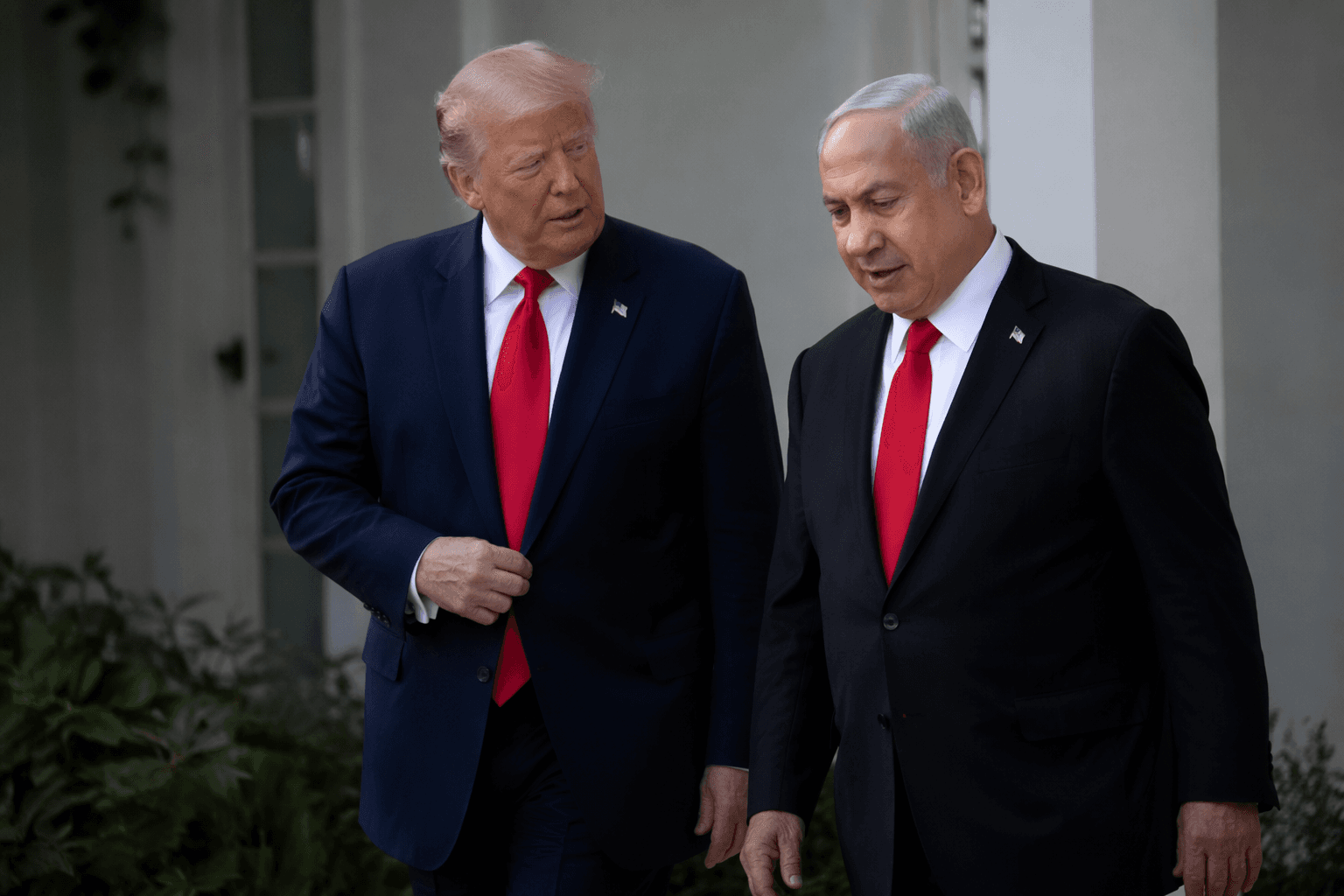
Trump’s intervention highlighted another pressure point for Netanyahu, his complicated relationship with the U.S. president. The two have clashed in recent weeks over Israeli military action in Lebanon and Washington’s diplomacy with Tehran. Trump confirmed on June 3 that he had called Netanyahu “crazy” during a conversation about Lebanon, and Axios reported that he pressed back against an Israeli plan to strike Beirut. Even so, Trump has also said the two men get along well and has urged Israel’s president to pardon Netanyahu in his corruption cases.
That legal burden has not gone away. Netanyahu’s corruption trial remained ongoing after war-related delays, adding another unresolved question to a campaign already defined by security failure, war fatigue and public distrust. For Netanyahu, the coming election is not just a bid for another term. It is a test of whether he can still survive a challenge from both home and abroad.
This article was produced by Prism’s automated news system from verified source data, official records, and press releases, then run through automated quality and moderation checks before publishing. The system is built and supervised by the people who set the standards it runs under. Read our full AI policy.
Know something we missed? Have a correction or additional information?
Submit a Tip