Judge strikes down Trump’s $100,000 H-1B visa fee nationwide
A federal judge killed Trump’s $100,000 H-1B fee, saying it was an unauthorized tax and resetting the fight over who fills hard-to-staff skilled jobs.

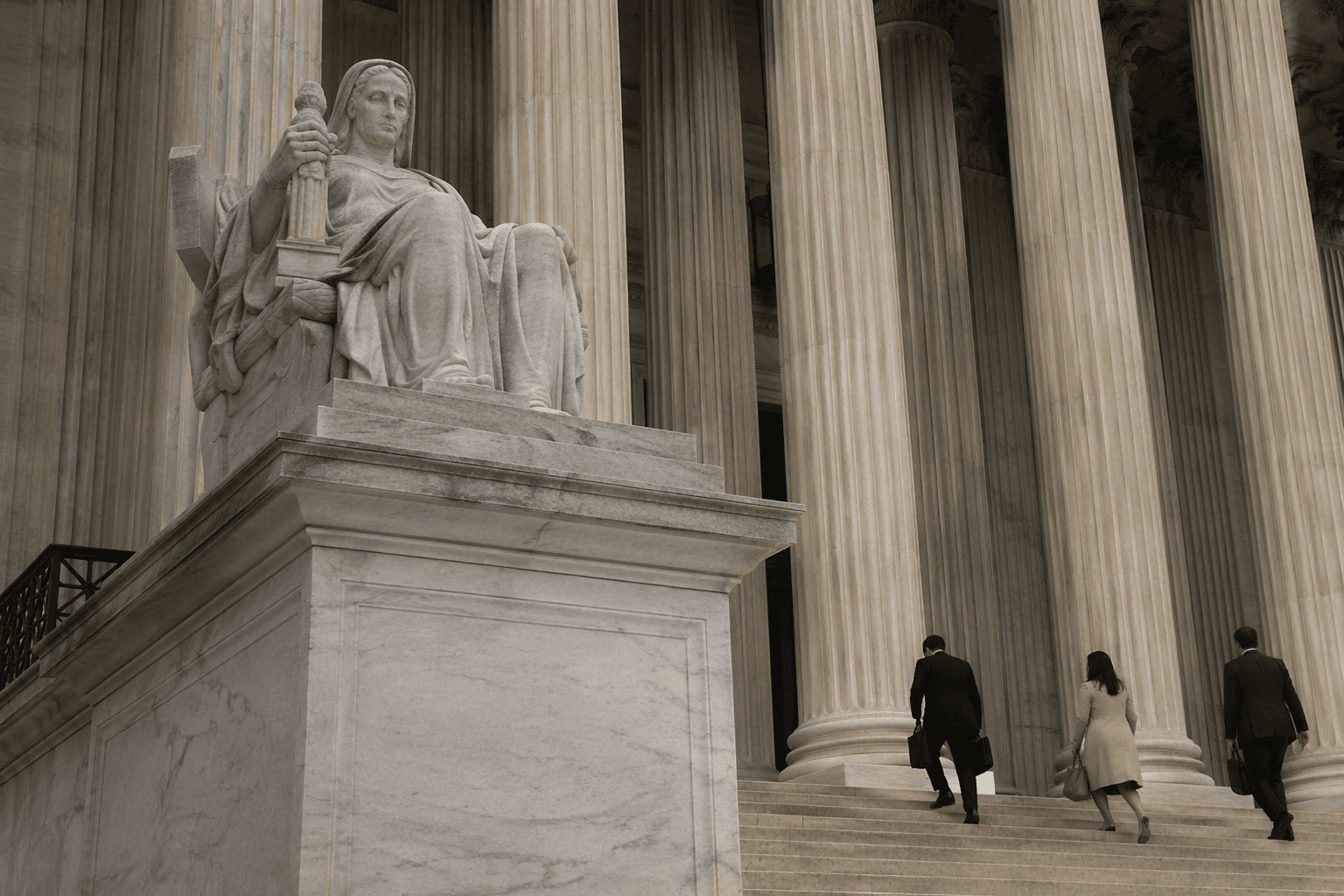
A federal judge has erased the Trump administration’s $100,000 fee on new H-1B visas, a move that immediately blunts a policy designed to make employers think twice before hiring foreign skilled workers. U.S. District Judge Leo Sorokin in Boston vacated the fee nationwide on June 8, finding it unlawful under the Administrative Procedure Act and the Constitution because the executive branch had imposed a tax that Congress had not authorized.
The ruling lands at the center of a labor-market debate that has defined the H-1B program for decades: whether tighter visa barriers protect U.S. workers or make it harder for employers to fill specialized roles they cannot easily staff at home. The Trump administration said it would appeal. The challenge came from a coalition of 20 states, and the U.S. Chamber of Commerce also filed suit, arguing the fee exceeded authority under the Immigration and Nationality Act because H-1B charges must be tied to processing costs.
The H-1B program, created in 1990, lets U.S. employers temporarily hire foreign workers in specialty occupations that require at least a bachelor’s degree or the equivalent. Those jobs span architecture, engineering, mathematics, physical sciences, social sciences, medicine and health, education, business specialties, accounting, law, theology and the arts. Current law limits the program to 65,000 visas a year, plus another 20,000 for workers with advanced degrees from U.S. schools.
The numbers help explain why the fee drew such fierce opposition from employers. U.S. Citizenship and Immigration Services says 19% of the nation’s STEM workers were foreign born in 2021, and its FY 2025 data show that 70% of approved H-1B petitions were for beneficiaries born in India, with China accounting for about 12%. Large technology companies including Amazon, Meta, Microsoft and Google were among the biggest H-1B sponsors in FY 2025, a sign of how deeply the program is woven into the country’s high-skill labor market.
The practical effect of Sorokin’s ruling is to preserve the old economics of H-1B hiring while the appeal proceeds. Business groups had warned the new fee would sharply raise the cost of bringing in scarce talent. Supporters of the administration’s approach said the higher barrier was meant to prioritize American workers. But USCIS also says the FY 2027 H-1B cap was reached during the initial registration period, underscoring that demand for the program remains strong even as Washington tries to reshape it.
This article was produced by Prism’s automated news system from verified source data, official records, and press releases, then run through automated quality and moderation checks before publishing. The system is built and supervised by the people who set the standards it runs under. Read our full AI policy.
Know something we missed? Have a correction or additional information?
Submit a Tip